


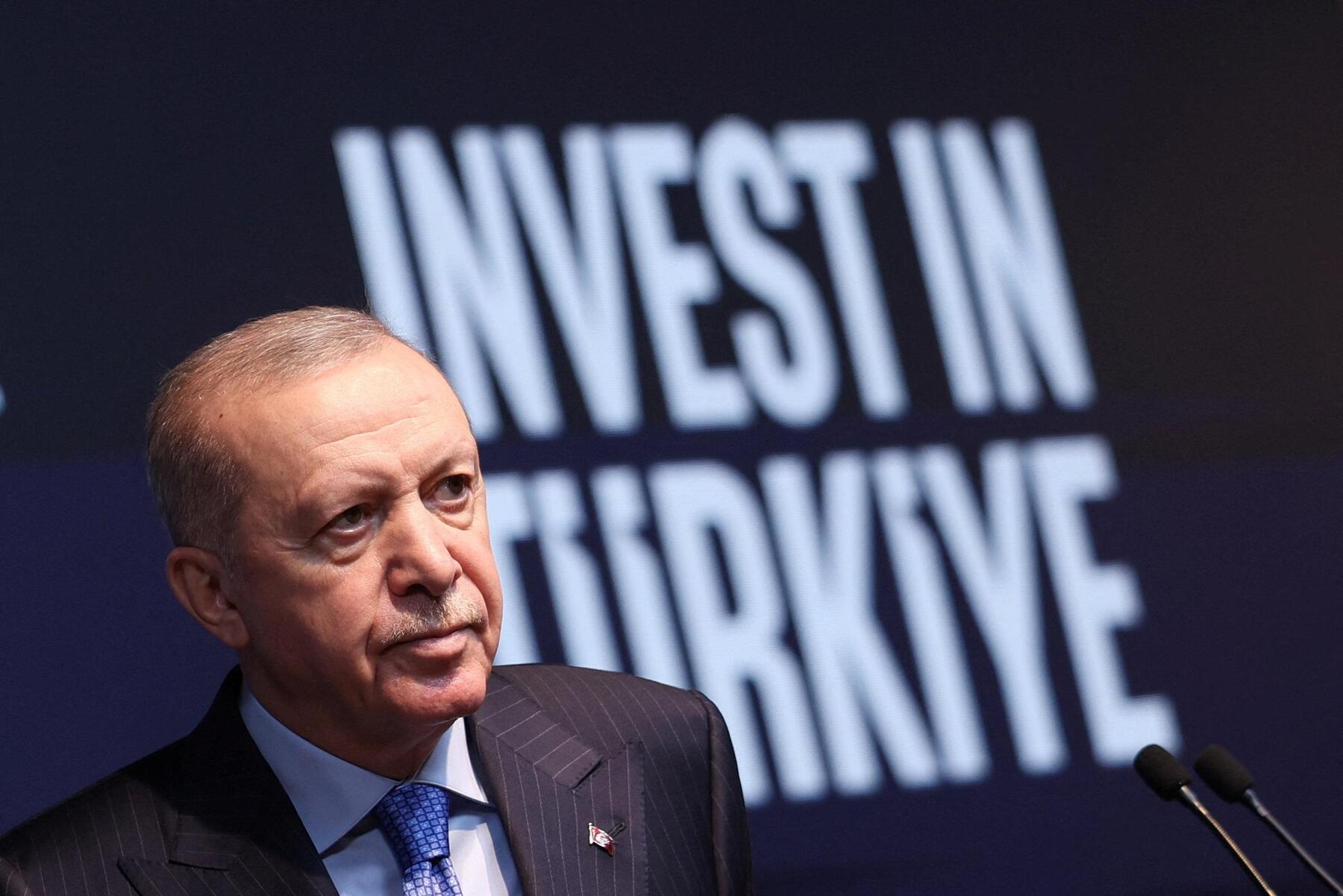
Turkey's World Cup video with Erdogan scenes sparks criticism
Translated from German, summarized and contextualized by DistantNews.
At a glance
News
Named sources
New plan
- A promotional video for the FIFA World Cup featuring Turkish President Erdogan has drawn criticism for mixing sports with military imagery and political projects.
- The video, commissioned by Erdogan and set to a reinterpreted folk song, includes scenes of fighter jets, warships, drones, and Erdogan in various settings, with parts generated by AI.
- Critics argue the video prioritizes ruling AKP propaganda over the national team and the World Cup, with some questioning whether it promotes football or war.
A promotional video released by the Turkish Football Federation for the World Cup has sparked controversy, drawing criticism for its blend of sports, military hardware, and political messaging. The clip, titled "You all - We are Turkey," was commissioned by President Recep Tayyip Erdogan and features a reinterpretation of a traditional folk song.
Alongside scenes from football stadiums, the music video incorporates imagery of fighter jets, naval ships, and drones from the company Bayraktar. It also shows Erdogan himself, depicted in a football jersey, on a car ride, and at a military parade. Notably, parts of the video were generated using artificial intelligence.
The video has faced backlash from Turkish fans and opposition figures. One social media user questioned the video's intent, asking, "Are we going to a football match or a war?" The opposition newspaper "Cumhuriyet" criticized the clip, stating that it foregrounded "AKP propaganda rather than the national team, football, and the World Cup."
Namik Tan, a lawmaker from the main opposition party CHP and former Turkish ambassador to the US, commented on X (formerly Twitter) that the national team represents a shared national value and should not be used as a propaganda tool for any political party. The integration of military and political elements into a sports promotion has raised concerns about the blurring of lines between national identity, political agendas, and sporting events.
DistantNews Editorial
Originally published by Die Presse in German. Translated, summarized, and contextualized by our editorial team with added local perspective. Read our editorial standards.
More Stories


From Our Blog

What Gets Lost (and Found) When News Is Translated

The Critical Role of Diaspora Media in Global News

What Travellers Should Know About Countries with Restricted Press

A Digital Nomad's Guide to Following Local News

How the Same Story Looks Different in Different Countries
