


Turkey Warns Against Consuming Rhododendron Flowers Due to Safety Concerns
Translated from Turkish, summarized and contextualized by DistantNews.
At a glance
News
Official statement
New plan
- Turkey's Ministry of Agriculture and Forestry warns against consuming products made from Rhododendron flowers, known locally as 'ormangülü' or 'komar'.
- The ministry stated that these flowers are not listed as safe for consumption in official food lists or regulations.
- European Food Safety Authority assessments suggest the plant is not safe for consumption, and consumers are urged not to buy or consume related products.
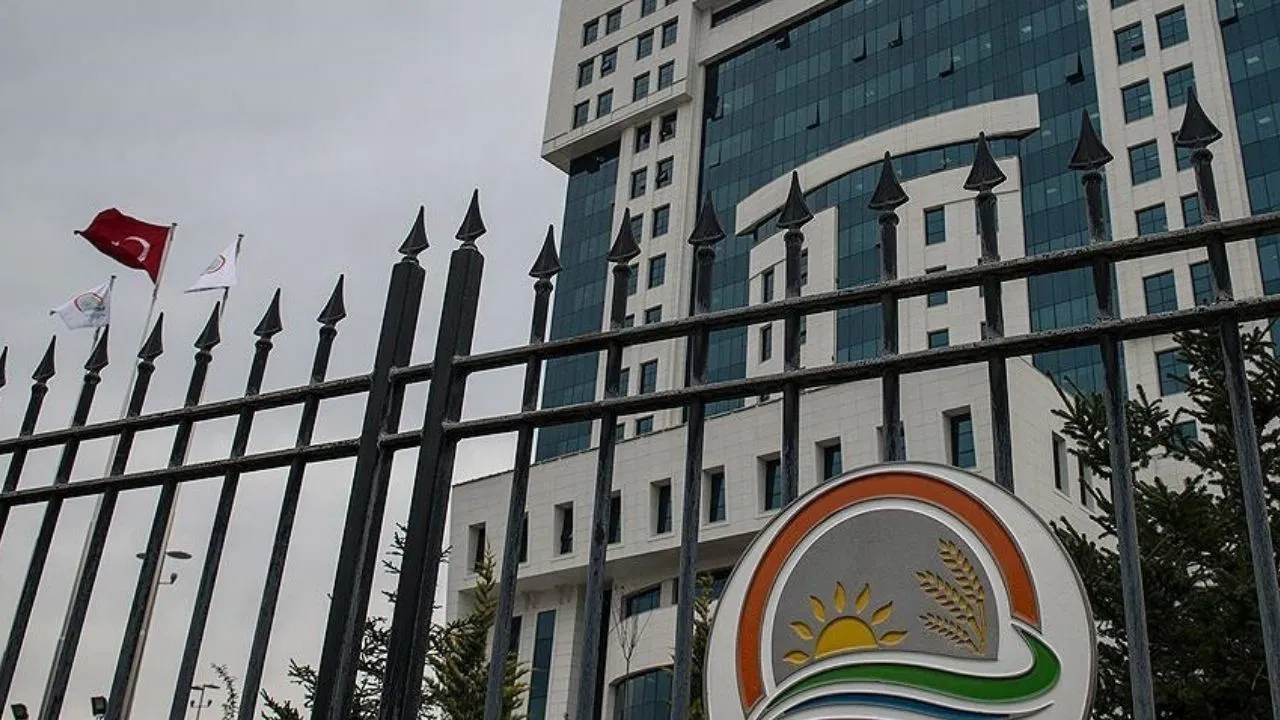
Turkey's Ministry of Agriculture and Forestry has issued a strong warning against the consumption of products made from Rhododendron flowers, commonly known in the Black Sea region as 'ormangülü' or 'komar'. The warning comes after social media posts suggested these flowers were being used to prepare jams and similar products.
The ministry emphasized that the fact a plant grows naturally in its environment or is known locally does not alone mean that the plant can be safely used as food.
The ministry emphasized that the mere fact a plant grows naturally or is known locally does not automatically qualify it as safe for food consumption. The safety of using wild plants as food depends heavily on the specific species, the part of the plant used, preparation methods, and the quantity consumed.
Rhododendron species are not found in the 'List of Plants Usable as Food' prepared by the Commission on Plants Usable as Food within the Ministry of Agriculture and Forestry, nor in the Turkish Food Codex Regulation on Novel Foods.
Official assessments by the ministry's Commission on Edible Plants and the Turkish Food Codex Regulation do not include Rhododendron species in their lists of safe-to-eat plants. Furthermore, evaluations by the European Food Safety Authority (EFSA) indicate that these plants are not considered safe for consumption.
Upon examining the European Food Safety Authority assessment and other literature on this subject, it is assessed that this plant is not safe.
Consequently, the ministry urges consumers to avoid purchasing and consuming any products, such as jams, syrups, pastes, or teas, that are advertised as containing 'ormangülü' or 'komar' flowers. Citizens are encouraged to report any suspicious products or sales through the 'Take-Send' feature on the Reliable Food Mobile Application, providing photos and location details.
In this context, jams, syrups, pastes, teas, and similar products containing forest rose-komar flower should not be purchased or consumed.
DistantNews Editorial
Originally published by Cumhuriyet in Turkish. Translated, summarized, and contextualized by our editorial team with added local perspective. Read our editorial standards.
More Stories


From Our Blog

What Gets Lost (and Found) When News Is Translated

The Critical Role of Diaspora Media in Global News

What Travellers Should Know About Countries with Restricted Press

A Digital Nomad's Guide to Following Local News

How the Same Story Looks Different in Different Countries
