

Turkish Commission on School Violence Extends Term, Focuses on Societal Factors
Translated from Turkish, summarized and contextualized by DistantNews.
At a glance
News
Official statement
Ongoing story
- A Turkish parliamentary commission's term has been extended to investigate school violence incidents in Şanlıurfa and Kahramanmaraş.
- The commission heard detailed reports on measures taken following a teacher's death in Istanbul and ongoing school violence issues.
- Key concerns include the multi-dimensional nature of school violence, the need for robust child justice systems, and improved mental health support for youth.
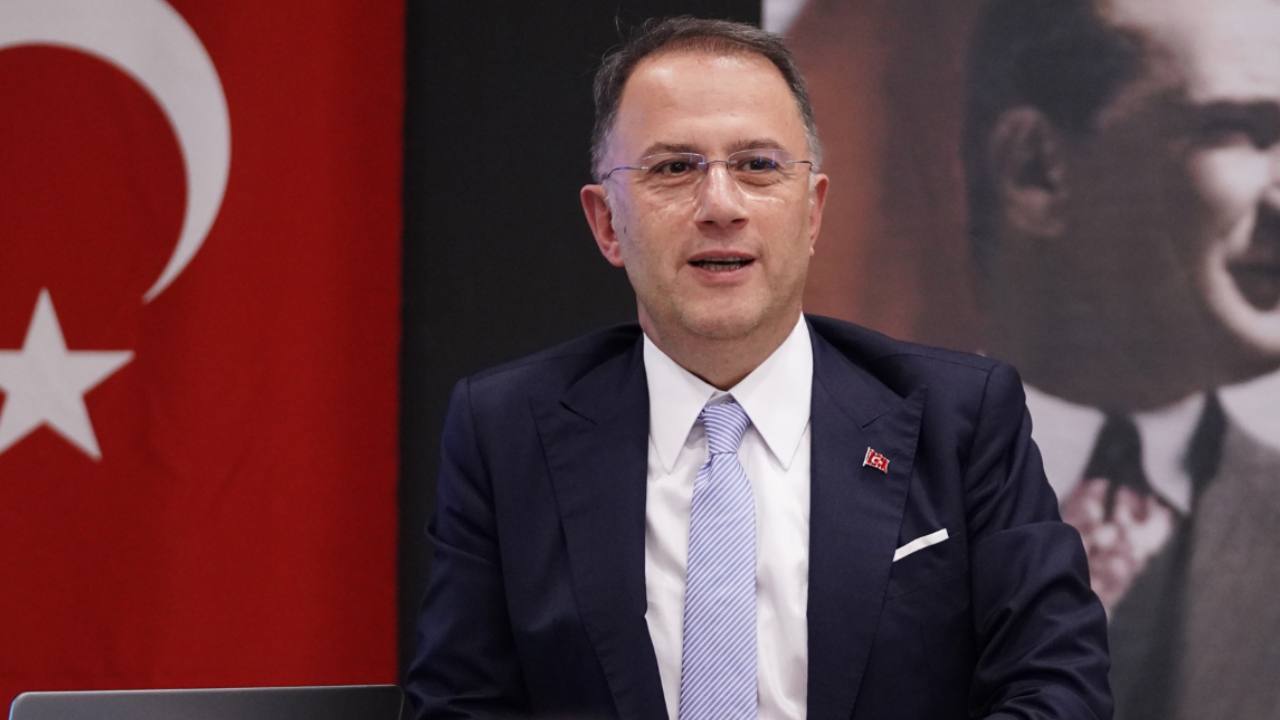
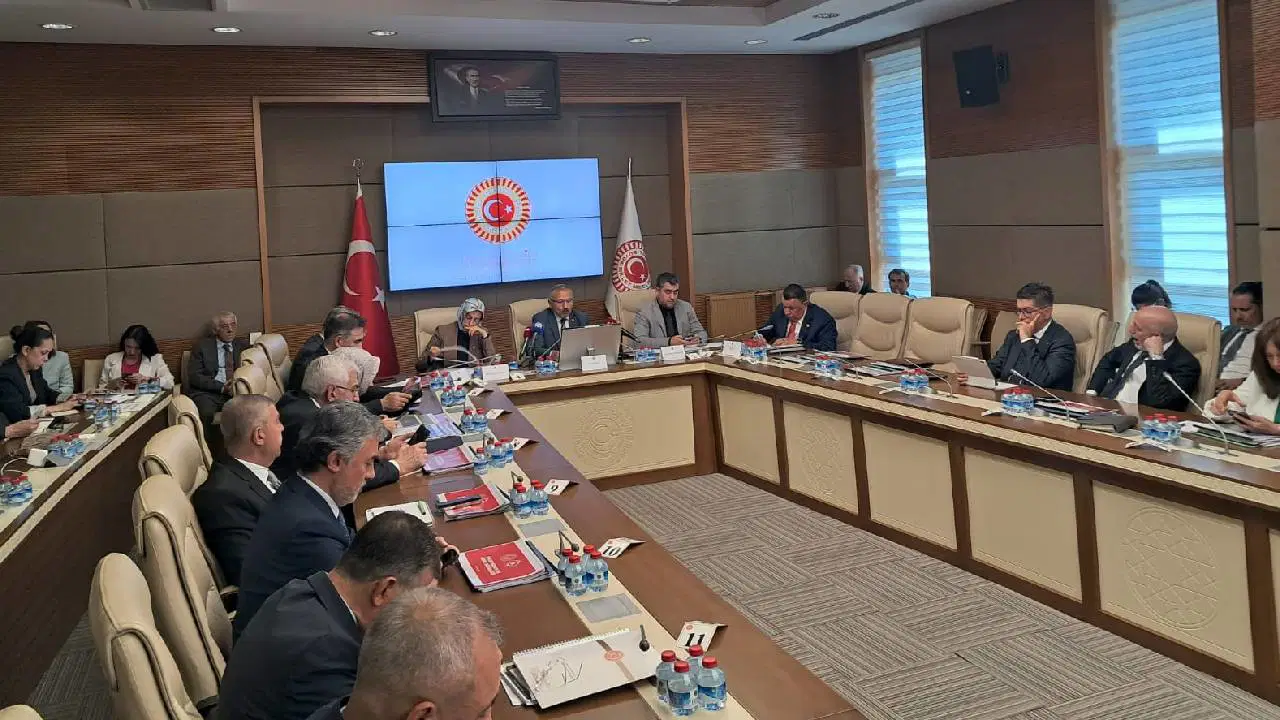
A Turkish parliamentary commission tasked with investigating school violence and digital risks in Şanlıurfa and Kahramanmaraş has had its term extended. Chaired by AKP Tokat Deputy Yusuf Beyazıt, the commission convened to review findings and ongoing efforts to ensure student safety.
During a working visit to Istanbul, the commission received comprehensive briefings on the incident in Çekmeköy where teacher Fatma Nur Çelik lost her life. Istanbul Governor's office representatives, along with education officials and school administrators, provided detailed information on the processes and measures implemented in the aftermath. The discussions focused on strengthening safe school environments and inter-agency cooperation to combat digital risks.
We are facing a multi-dimensional societal problem that directly concerns children's right to life, their right to safe education, and their physical and mental integrity.
Beyazıt emphasized that the violence occurring in schools in Kahramanmaraş and the Siverek district of Şanlıurfa cannot be viewed as isolated security issues. "We are facing a multi-dimensional societal problem that directly concerns children's right to life, their right to safe education, and their physical and mental integrity," he stated. The commission stressed the importance of a holistic approach within the child justice system, encompassing punishment, protection, and rehabilitation.
Recommendations from the commission include identifying the conditions that lead children to engage in severe violent acts, enhancing social investigations, establishing adult responsibility for access to weapons, and facilitating the reintegration of children into society. Furthermore, the commission highlighted the critical need to increase access to child and adolescent mental health services, ensure early identification of risk indicators, and provide long-term psychosocial support for affected children. It was noted that violent behavior should not be viewed solely as a mental health issue, and timely assessment of behavioral changes and crisis indicators is vital. Establishing a rapid referral system between schools and child mental health units was also proposed.
The commission's expectations from the Ministry of Justice include evaluating the punitive, protective, and rehabilitative dimensions of the child justice system together.
DistantNews Editorial
Originally published by Cumhuriyet in Turkish. Translated, summarized, and contextualized by our editorial team with added local perspective. Read our editorial standards.
More Stories

From Our Blog

What Gets Lost (and Found) When News Is Translated

The Critical Role of Diaspora Media in Global News

What Travellers Should Know About Countries with Restricted Press

A Digital Nomad's Guide to Following Local News

How the Same Story Looks Different in Different Countries
