


Turkish Defense Committee debates bill; CHP criticizes provisions on dentists and officers
Translated from Turkish, summarized and contextualized by DistantNews.
At a glance
News
From a news agency
Under investigation
- Turkey's Grand National Assembly National Defense Committee is discussing a bill to amend the Expert Non-Commissioned Officers Law.
- The bill includes provisions on restrictions for doctors and dentists leaving service early, re-employment of former officers, and employment of contract soldiers in public institutions.
- A CHP lawmaker criticized certain articles, particularly those concerning professional practice bans for dentists and the re-employment of officers, arguing they do not fully comply with Constitutional Court decisions.
Turkey's Grand National Assembly National Defense Committee is currently deliberating a legislative proposal aimed at amending the Expert Non-Commissioned Officers Law and several other statutes. The proposed changes address various aspects of military personnel policy, including restrictions for physician and dentist officers who leave their service before completing their mandatory terms, provisions for the re-hiring of former officers as active duty personnel, exceptions to the implementation of administrative court decisions, and the employment of contract soldiers in public institutions.
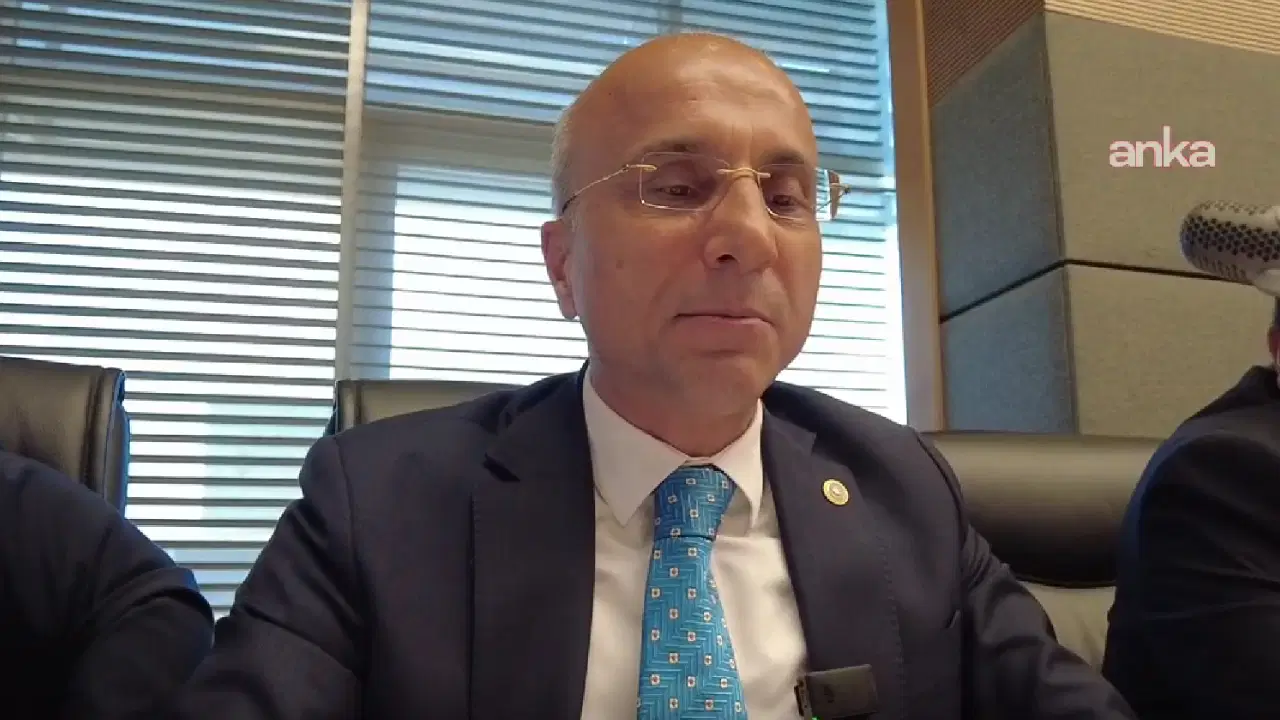
Aşkın Genç, a Member of Parliament from the Republican People's Party (CHP) representing Kayseri, voiced significant concerns regarding the bill. He argued that many of the proposed regulations present issues related to personnel systems, legal certainty, the right to work, and the principle of meritocracy. Genç specifically pointed out that the bill does not fully implement the decisions of the Constitutional Court and, in some articles, expands the administrative discretion, potentially leading to losses of rights.
Genç critically examined Article 2, which imposes a professional practice ban on dentist officers who leave their service prematurely. He contended that this provision does not align with the Constitutional Court's reasoning, which found such bans disproportionate. "The Constitutional Court did not just say 'this period is too long.' It found the prohibition of practicing one's profession in public or private sectors, in addition to compensation liability, to be disproportionate," Genç stated, adding that reintroducing the same sanction through a different calculation method would not constitute compliance with the court's ruling.
Furthermore, Genç highlighted the challenges in accessing dental care in Turkey, noting that young dentists are awaiting appointments while the public struggles to find available slots. He argued that preventing trained dentists from practicing their profession is detrimental to public health access. Regarding Article 5, which concerns the re-employment of officers who have left the Turkish Armed Forces (TSK), Genç identified the phrase "for whatever reason" as particularly problematic, warning that such broad and absolute language could lead to significant rights violations in sensitive areas like personnel management. He stressed that officers may leave the TSK for diverse reasons, including personal choice, health issues, or family obligations, and should not be treated uniformly.
DistantNews Editorial
Originally published by Cumhuriyet in Turkish. Translated, summarized, and contextualized by our editorial team with added local perspective. Read our editorial standards.
More Stories



From Our Blog

What Gets Lost (and Found) When News Is Translated

The Critical Role of Diaspora Media in Global News

What Travellers Should Know About Countries with Restricted Press

A Digital Nomad's Guide to Following Local News

How the Same Story Looks Different in Different Countries
