


🇹🇷
Turkey
Turkish politician cites IRA, FARC in 'framework law' discussion
Translated from Turkish, summarized and contextualized by DistantNews.
At a glance
News
Named sources
New plan
- Feti Yıldız, a Turkish politician, discussed "framework laws" for reconciliation, likening them to processes in Northern Ireland and Colombia.
- He described these measures as "Turkey Model" initiatives aimed at achieving lasting peace and national unity after periods of conflict.
- Yıldız cited the Good Friday Agreement in the UK and the peace process with FARC in Colombia as examples of legal frameworks that facilitate peace, victim compensation, and reintegration.
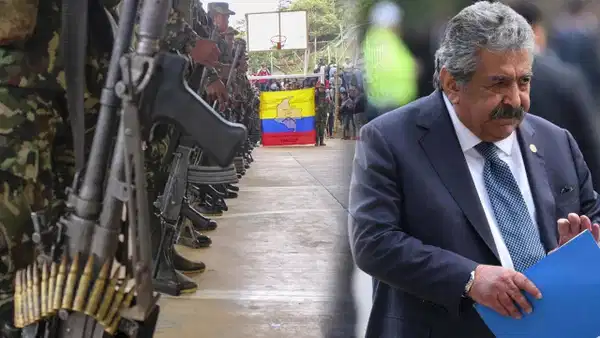
Feti Yıldız, Deputy Chairman of the Nationalist Movement Party (MHP) responsible for Law and Election Affairs, has drawn parallels between proposed "framework laws" in Turkey and reconciliation processes in Northern Ireland and Colombia. Yıldız described these legislative measures as part of a "Turkey Model" designed to foster internal peace and national unity following periods of conflict.
The "Turkey without terrorism" process is guided by the nation's conscience, reason, and wisdom. Administrative and legal regulations will produce lasting results, building inner peace on the foundations of brotherhood, unity, and integration.
Speaking on social media, Yıldız stated that the "Turkey without terrorism" process is guided by the "conscience, reason, and wisdom of the nation." He emphasized that administrative and legal regulations will produce lasting results, building inner peace on the foundations of "brotherhood, unity, and integration."
Yıldız explained that transition period regulations are mechanisms intended to establish peace, address victim rights, and promote political reconciliation after prolonged periods of violent conflict. These mechanisms support institutional reconciliation through steps such as admitting guilt, compensating victims, and granting limited releases.
Transition period regulations are a set of mechanisms aimed at establishing peace, victim rights, and political reconciliation in societies after prolonged periods of violent conflict.
He highlighted two key international examples: the Good Friday Agreement in the United Kingdom, which led to the early release of around 400 political prisoners associated with the Irish Republican Army (IRA) after disarmament; and Colombia's peace process with the FARC. In the Colombian model, former FARC members who confessed to crimes generally faced 5–8 years of supervised release instead of imprisonment, though more severe crimes carried limited prison sentences.
There are two important examples in the world. One is the United Kingdom... Similar models were seen in Colombia's process with FARC.
DistantNews Editorial
Originally published by Cumhuriyet in Turkish. Translated, summarized, and contextualized by our editorial team with added local perspective. Read our editorial standards.
More Stories


From Our Blog

What Gets Lost (and Found) When News Is Translated

The Critical Role of Diaspora Media in Global News

What Travellers Should Know About Countries with Restricted Press

A Digital Nomad's Guide to Following Local News

How the Same Story Looks Different in Different Countries
