

Türkiye matters to Europe, but will it act accordingly?
Summarized and contextualized by DistantNews.
At a glance
Analysis
Sources not specified
Context piece
- The EU and Türkiye have reaffirmed their partnership through a High-Level Economic Dialogue, signaling a shift from accession politics to a more pragmatic approach.
- The dialogue emphasized economic security, financial cooperation, connectivity, and investment, recognizing Türkiye's strategic importance to Europe amidst global geopolitical and security challenges.
- This renewed focus acknowledges Türkiye's significant geographical, economic, and military contributions to Europe's stability and competitiveness, particularly in supply chains, energy, and defense.
The recent High-Level Economic Dialogue between the European Union and Türkiye in Istanbul marks a significant evolution in their relationship, moving beyond the traditional focus on accession politics. In an era defined by geopolitical fragmentation and economic insecurity, both Brussels and Ankara recognize their mutual need for a stronger partnership.
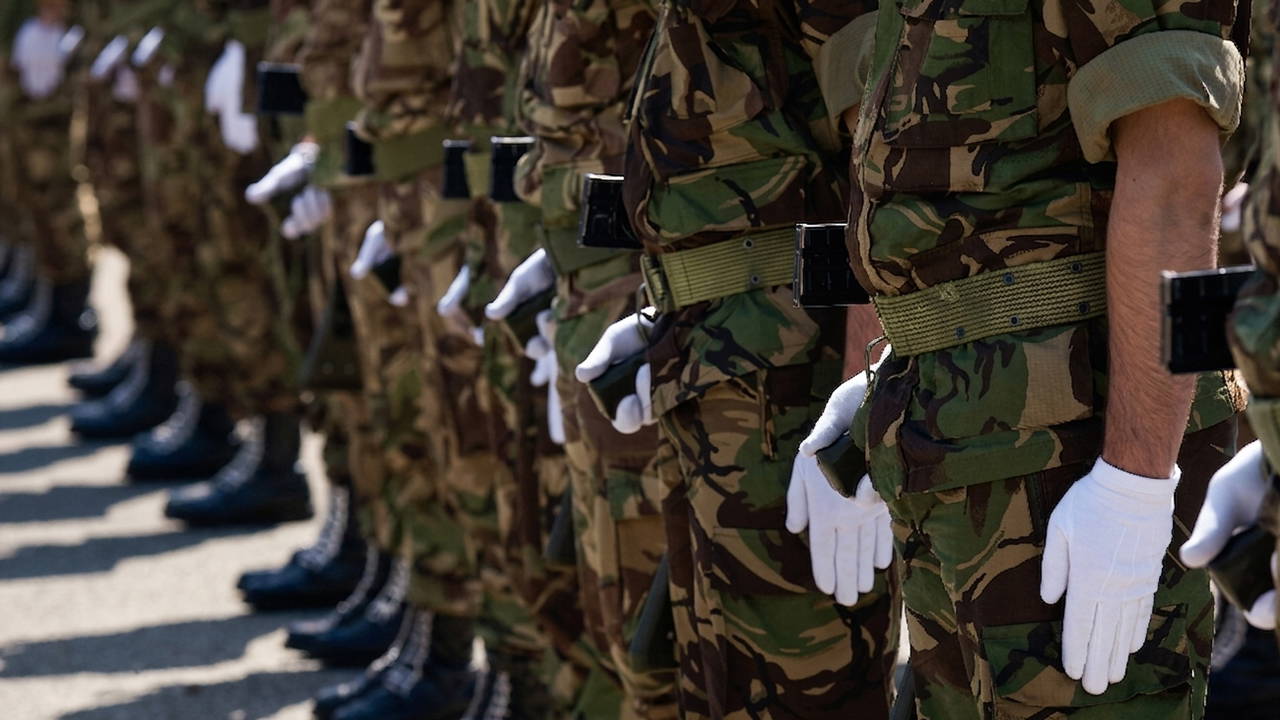
The joint statement from the dialogue highlights Türkiye's role as a key partner and candidate country, emphasizing economic security, financial cooperation, connectivity, and investment. This pragmatic approach acknowledges Türkiye's indispensable position for Europe. Geographically situated at the crossroads of Europe and Asia, Türkiye boasts a diversified industrial base, a large domestic market, and deep integration into European supply chains. Its military strength, with NATO's second-largest armed forces, is also central to the Alliance's capabilities.
Europe's economic competitiveness, energy transition, and defense industry all depend on secure supply chains, reliable transport, and scalable manufacturing. Türkiye is deeply embedded in this European ecosystem, making it a vital partner. The dialogue's focus on investment, transport, energy, and digital connectivity underscores the interconnectedness of economic and security priorities. Türkiye's engagement with the Single Euro Payments Area and its broader investment reform agenda align with Europe's need for near-shoring and secure supply chains.
While differences persist, the renewed economic dialogue reflects a growing understanding of shared interests. This pragmatic phase in EU-Türkiye relations is seen as long overdue, especially as Europe confronts challenges like the war in Ukraine, Middle Eastern instability, and great-power competition. The dialogue aims to leverage Türkiye's strengths to bolster Europe's response to these complex global issues.
DistantNews Editorial
Originally published by Daily Sabah. Summarized and contextualized by our editorial team with added local perspective. Read our editorial standards.
More Stories


From Our Blog

What Gets Lost (and Found) When News Is Translated

The Critical Role of Diaspora Media in Global News

What Travellers Should Know About Countries with Restricted Press

A Digital Nomad's Guide to Following Local News

How the Same Story Looks Different in Different Countries
