

Tusk reshapes Krakow party after referendum loss, warns against complacency
Translated from Polish, summarized and contextualized by DistantNews.
At a glance
Analysis
Sources not specified
Context piece
- Polish Prime Minister Donald Tusk has reorganized the local Civic Platform party structures in Krakow following a referendum defeat, signaling a tougher stance against internal dissent.
- The move, which includes appointing a commissioner to lead the Krakow branch, suggests that the party's candidate for the upcoming mayoral election will be chosen by Tusk himself, bypassing local party members.
- The article also analyzes the first year of President Andrzej Duda's term, noting that while he maintains personal support, his frequent use of vetoes without clear public justification has led to an image of a
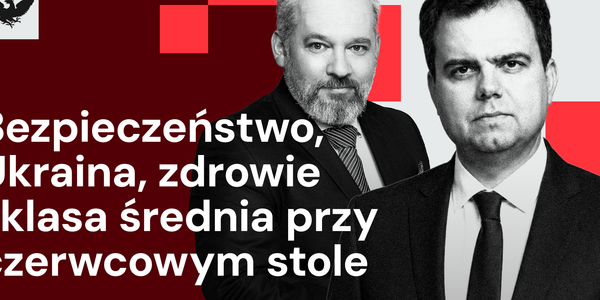
Polish Prime Minister Donald Tusk has taken decisive action in Krakow, restructuring the local Civic Platform (KO) party following a significant referendum defeat. Political analysts Michał Szułdrzyński and Michał Kolanko suggest this move signals a new era for the party, where past failures will not be overlooked and communication errors will not be used as a sole excuse.
Tusk's decision to dissolve the Małopolska KO structures and appoint a commissioner indicates a firm message to the party: there will be no leniency after such a loss. The defeat was compounded by the tone adopted in Krakow after the referendum, with suggestions that the former mayor still wished to be involved in KO's campaign. Kolanko points out that opposition to the local candidate existed long before the referendum, highlighting issues with leadership and personnel policy within the Krakow branch.
after such a defeat, there will be neither a soft touch nor further pretense that 'nothing big happened' and that all responsibility lies with communication errors.
This internal dynamic within KO, where local factions exist but do not engage in public disputes like in the past PiS party, is significant. The current situation suggests that the next KO candidate for Krakow mayor will be directly appointed by Tusk in Warsaw, rather than selected through local party processes. This centralization of power aims to consolidate control and ensure party discipline.
hope is a weak strategy
The discussion also revisits the first year of President Andrzej Duda's term. Kolanko argues that both KO and PiS initially operated under flawed logic, with KO expecting a presidential win to unlock their agenda and PiS anticipating an automatic surge in support following Duda's election. Neither expectation materialized. Kolanko observes that Tusk, under pressure from defeat, has responded with strategic changes in government communication and personnel, including the appointment of Adam Szłapka as spokesperson and the reconstruction of key roles.
In contrast, PiS has not seen a similar political uplift from Duda's victory. While Duda remains personally popular, his effectiveness is questioned due to his frequent use of vetoes. The article suggests that Duda struggles to explain these vetoes to the public, leading to an image of a "destroyer" who blocks legislation without offering clear alternatives or justifications, even when bills are returned in modified forms. The analysis concludes by touching upon topics expected to dominate public conversation during Poland's long weekend, including security, the war in Ukraine, health, housing, and demographics.
president as a 'destroyer' – a politician who blocks, but cannot always convincingly show why he is doing it and what he offers in return
DistantNews Editorial
Originally published by Rzeczpospolita in Polish. Translated, summarized, and contextualized by our editorial team with added local perspective. Read our editorial standards.
More Stories
From Our Blog

What Gets Lost (and Found) When News Is Translated

The Critical Role of Diaspora Media in Global News

What Travellers Should Know About Countries with Restricted Press

A Digital Nomad's Guide to Following Local News

How the Same Story Looks Different in Different Countries
