

Two practical ways Cameroon can improve its electricity network and cut losses
Translated from French and summarized by DistantNews. Read the original for the full story.
At a glance
Analysis
Sources not specified
New plan
- Cameroon is urged to improve electricity investment planning through network data and to measure losses by individual feeder.
- The proposed approach would use geographic information on substations, medium-voltage feeders, consumers, outages, demand and network constraints.
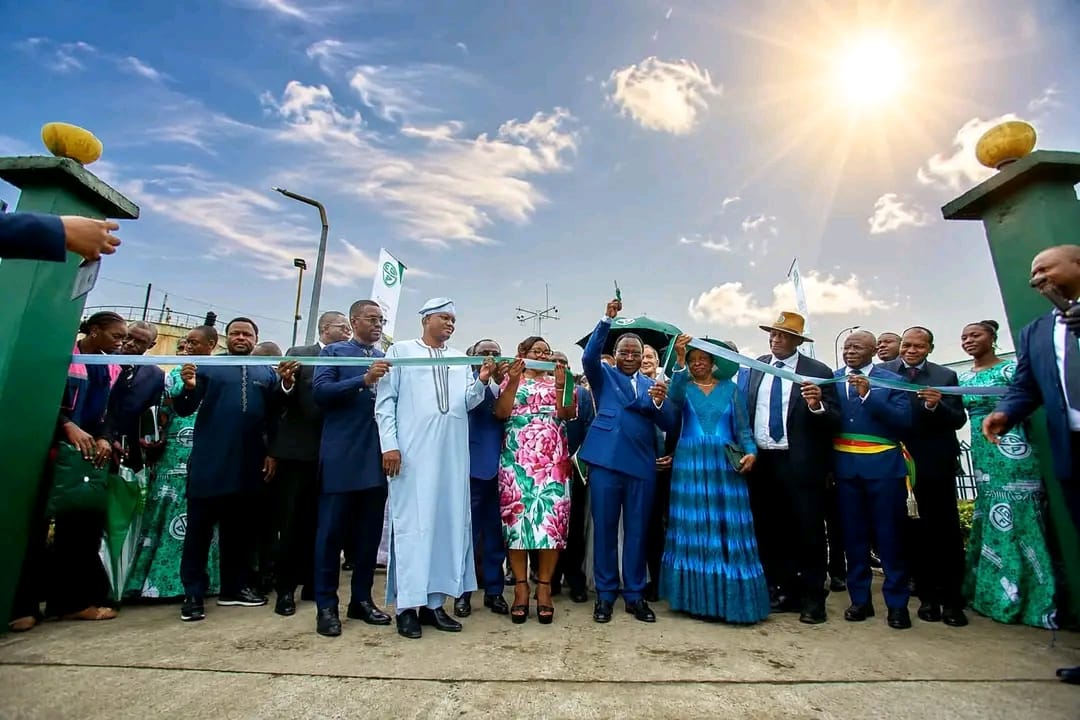
- The recommendations come as the Nachtigal plant adds 420 megawatts, the energy ministry develops an infrastructure mapping platform, and reforms affect electricity distribution.
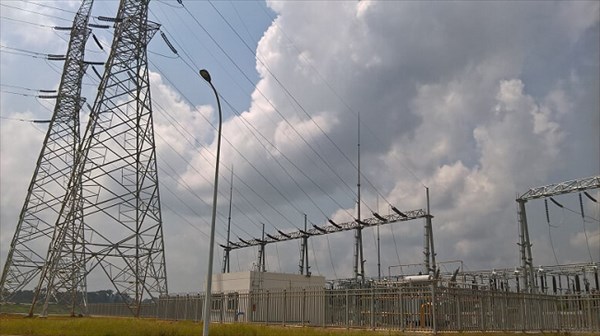
Cameroon’s electricity sector has an opportunity to tackle two practical problems at once: deciding where network investment is most needed and identifying where injected power disappears. The proposed methods rely on information that public institutions and operators are already developing.
The first proposal would create electricity profiles for each load area. These areas would group related substations, medium-voltage feeders and consumers. Each profile would show equipment loading, incidents, outages, losses and connection requests, while also recording territorial changes such as new neighborhoods, industrial zones and major public facilities.
That information could help identify constraints before they become emergencies. A substation operating at 85% capacity in an area expecting several thousand homes would require a different decision from one carrying the same load in a place where consumption is barely changing. A line serving a hospital or major industrial zone would also need to be assessed by the importance of its users, not simply by its age.
The proposed investment priorities would consider saturation, interruption frequency, expected demand, construction costs and the importance of the uses being served. The result would be a rolling three-to-five-year program, reviewed annually. Each project would have a short profile describing the problem, proposed investment, cost and expected network benefit.
The second proposal would track electricity feeder by feeder, from the power injected into the network to what reaches users. The approach is presented as a way to measure losses at a scale where they can be corrected. It comes as Nachtigal contributes 420 megawatts, about 30% of national production, while the Ministry of Water and Energy develops a geographic information system for electricity and water infrastructure. The energy compact also sets modernization and loss-reduction targets, and changes to ENEO’s public structure and the creation of SOCADEL are reshaping distribution.
About this summary
Originally published by Journal du Cameroun in French. Translated, summarized, and contextualized automatically by DistantNews, with a note on how the source frames the story. Not individually reviewed before publishing. How this works.
More Stories

From Our Blog

What Gets Lost (and Found) When News Is Translated

The Critical Role of Diaspora Media in Global News

What Travellers Should Know About Countries with Restricted Press

A Digital Nomad's Guide to Following Local News

How the Same Story Looks Different in Different Countries
