



Typhoon Saudel brings torrential rain and flooding to China’s coast
Translated from English and summarized by DistantNews. Read the original for the full story.
At a glance
Newswire
From a news agency
Ongoing story
- Typhoon Saudel triggered flooding in Fujian and Guangdong, where emergency crews rescued residents and a three-storey building collapsed.
- Authorities closed schools, suspended public transport and relocated hundreds of thousands of people, including more than 83,000 in Fujian.
- China’s meteorological authorities warned that continued rain could cause landslides and other secondary disasters.
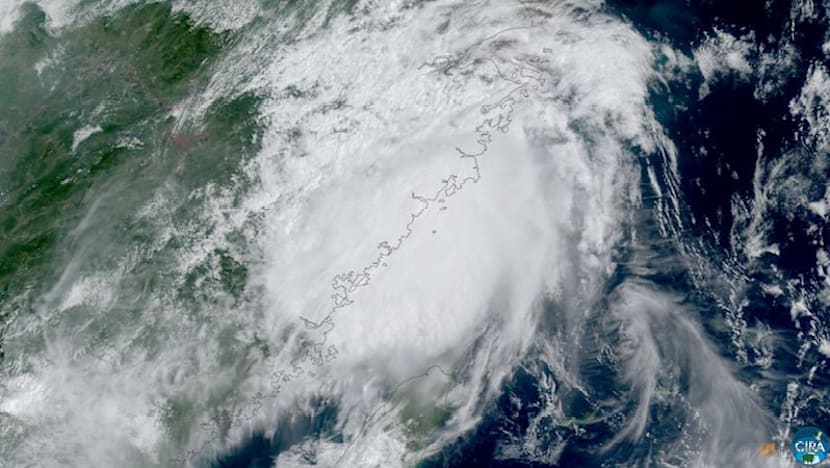
Firefighters waded through waist-deep floodwater in Fuding, Fujian, to carry elderly residents to safety as Typhoon Saudel brought torrential rain to China’s southern coast.
In nearby Jinxi village, a tea-growing community surrounded by mountains, floodwaters inundated homes and brought down a three-storey house. The storm also swamped vehicles and caused a three-storey brick building to collapse in urban and rural areas.
Authorities closed schools, suspended public transport and activated emergency flood measures across several coastal areas. More than 83,000 people were evacuated in Fujian alone, while hundreds of thousands were moved across Zhejiang and neighboring provinces from late August as Saudel tracked inland.
Saudel made its third landfall along the Fujian coast on Thursday morning after strengthening again over the South China Sea. It became the seventh typhoon to hit China this year and the third to strike Yuhuan in eastern Zhejiang in less than two months. China’s Meteorological Administration called the sequence extremely rare, while experts linked it closely to El Niño.
The storm followed Typhoon Narra, which brought heavy rain to Guangxi, Hainan and Guangdong late last month. The Ministry of Natural Resources warned that more downpours could trigger landslides and other secondary disasters, with rivers already above warning levels and low-lying communities inundated. The United Nations has warned that El Niño could intensify through 2027, potentially becoming the strongest on record.
About this summary
Originally published by The Straits Times in English. Translated, summarized, and contextualized automatically by DistantNews, with a note on how the source frames the story. Not individually reviewed before publishing. How this works.
More Stories


From Our Blog

News in Translation: What Gets Lost, and How We Keep the Framing

Diaspora Media: How Communities Abroad Follow Home

Traveling Where the Press Is Not Free: How to Read the News There

The Digital Nomad's Guide to Local News

The Same Story, Different Countries: How Coverage Changes at the Border
