

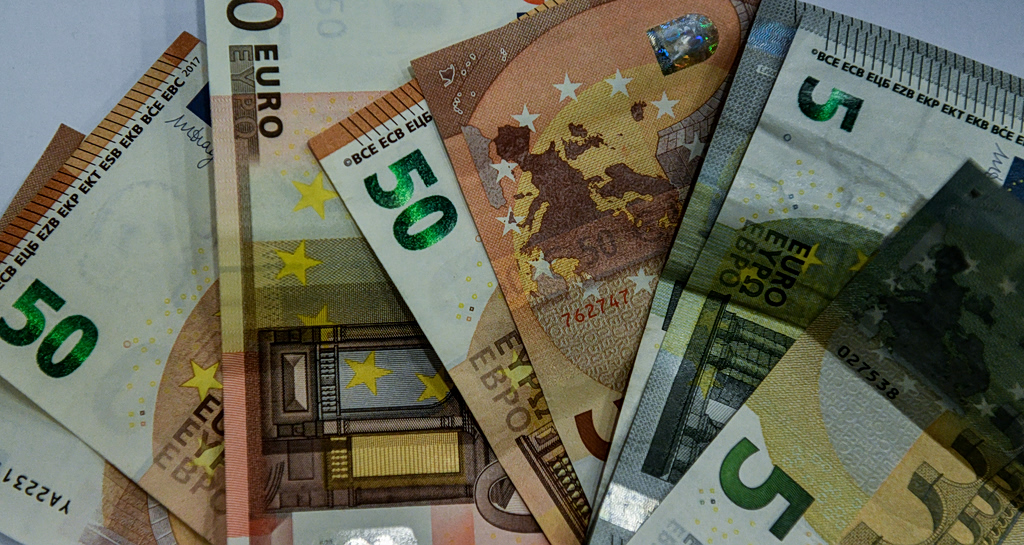

U.S. and Qatar plan to unfreeze $6 billion in Iranian funds for humanitarian spending, WSJ reports
Translated from Greek, summarized and contextualized by DistantNews.
At a glance
News
Named sources
Ongoing story
- The U.S. and Qatar are reportedly planning to unfreeze $6 billion in Iranian funds for humanitarian spending.
- This initiative is seen as a potential economic incentive for Tehran as part of a broader understanding to end the war.
- The plan involves Doha facilitating Iran's central bank purchases of food, medicine, and other humanitarian goods using frozen assets.
The United States and Qatar are reportedly developing a plan to allow Iran access to billions of dollars in frozen funds for humanitarian expenditures, according to The Wall Street Journal. This initiative is viewed as one of the initial economic exchanges with Tehran within the framework of a memorandum of understanding aimed at ending the war.
The plan, which is not yet finalized, would grant Iran access to a portion of its approximately $100 billion in assets currently blocked internationally due to sanctions. The initial phase is expected to involve $6 billion held in Qatar. Under the proposed mechanism, Doha would permit purchases of food, medicine, and other humanitarian items ordered by Iran's central bank, utilizing the country's blocked assets, which largely stem from oil sales revenue frozen abroad.
This mechanism could serve as a template for other pools of frozen Iranian assets globally. Sources suggest it might be the first step toward releasing an initial tranche of $24 billion that Tehran is seeking to secure promptly. Sanam Vakil, director for the Middle East at Chatham House, noted that even limited asset de-blockings can act as both economic lifelines and political signals for de-escalation. She added that this represents one of the few concrete incentives Iran can obtain from the U.S. to stabilize its currency and reduce internal pressure.
Despite these developments, the process remains fragile. Iran's Supreme Leader, Mojtaba Khamenei, claimed via X that Donald Trump agreed to a cessation of hostilities "out of desperation." This statement provoked an angry response from the U.S. president, who retorted on social media, "We did not agree out of desperation, Iran did. They are DONE FOR! We will let the 60 days run. They are not getting money, not ten cents!" However, under the agreement signed by Trump, the U.S. committed to making Iran's blocked assets "fully available for use" and negotiating an implementation mechanism. A U.S. official indicated that funds would begin to flow as Iran participates productively in talks. The arrangement with Qatar would be in addition to oil sales revenues that Washington agreed to permit after the deal was signed. In both cases, the U.S. would need to lift specific sanctions and issue necessary licenses to facilitate transactions.
DistantNews Editorial
Originally published by Ta Nea in Greek. Translated, summarized, and contextualized by our editorial team with added local perspective. Read our editorial standards.
More Stories


From Our Blog

What Gets Lost (and Found) When News Is Translated

The Critical Role of Diaspora Media in Global News

What Travellers Should Know About Countries with Restricted Press

A Digital Nomad's Guide to Following Local News

How the Same Story Looks Different in Different Countries
