

U.S. Backs Dialogue for Venezuela's Democratic Transition
Translated from Spanish, summarized and contextualized by DistantNews.
At a glance
Analysis
Sources not specified
Ongoing story
- The U.S. supports a democratic, stable, and consolidated transition in Venezuela, emphasizing dialogue and bridge-building.
- U.S. official Michael Kosack met with Dinorah Figuera, President of the 2015 Venezuelan National Assembly, to discuss transition pathways.
- The U.S. bipartisan support for resolving the Venezuela issue underscores the importance of free and transparent elections.
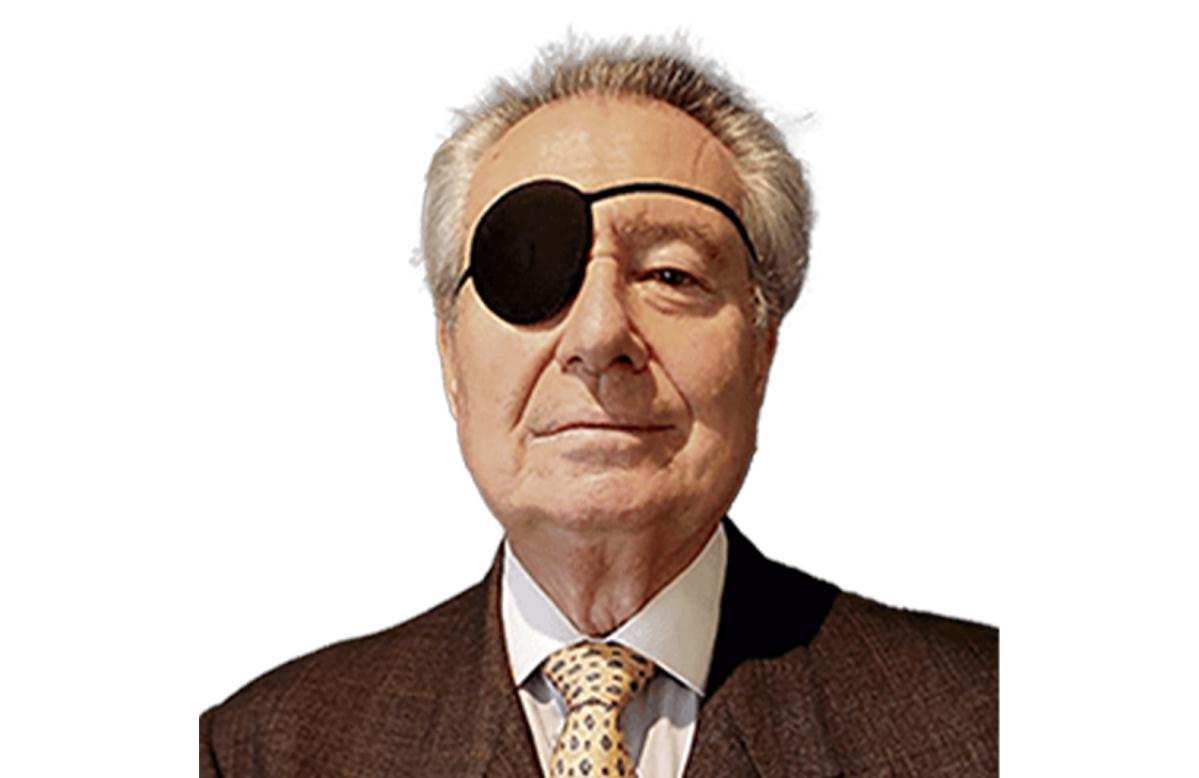
The United States is actively supporting a peaceful and democratic transition in Venezuela, prioritizing dialogue and stability. This stance was evident in a recent meeting between Michael Kosack, a senior official in the U.S. Department of State's Office of Western Hemisphere Affairs, and Dinorah Figuera, who served as President of Venezuela's 2015 National Assembly.
Following their meeting in Washington, Kosack issued a statement emphasizing the discussion of "pathways toward a democratic, stable, and consolidated transition." He stressed that the era of "combative rhetoric" is over, and it is time to "build bridges over differences and begin a new chapter for all Venezuelans." This meeting occurred after Figuera's return to Venezuela following eight years of exile.
The U.S. approach, characterized by "dialogue" and "building bridges," aligns with historical successful transitions, such as those involving Nelson Mandela, Lech Wałęsa, and others. The U.S. views the Venezuelan transition as needing to culminate in free and transparent elections, a position that enjoys rare bipartisan support within American foreign policy.
Figuera has publicly stated that democratic opposition leadership rests with María Corina Machado. Her role, as Figuera envisions it, is to manage the negotiation process to establish a credible electoral council (CNE), a respectable Supreme Court, release all political prisoners, allow exiles to return, restore freedom of expression, and ensure transparent elections where all candidates can compete freely. While many desire an immediate electoral calendar, Figuera acknowledges that preparing for free elections requires approximately 10 months. The article notes that internal divisions within the Chavista movement, particularly between the interim government and sectors resisting democratic openings, are evident, with the latter group reportedly weakening, as suggested by recent changes in military and ministerial leadership.
DistantNews Editorial
Originally published by Prensa Libre in Spanish. Translated, summarized, and contextualized by our editorial team with added local perspective. Read our editorial standards.
More Stories
From Our Blog

What Gets Lost (and Found) When News Is Translated

The Critical Role of Diaspora Media in Global News

What Travellers Should Know About Countries with Restricted Press

A Digital Nomad's Guide to Following Local News

How the Same Story Looks Different in Different Countries
