

Why some countries remain violent after signing peace deals
Translated from Spanish, summarized and contextualized by DistantNews.
At a glance
Analysis
Named sources
Context piece
- Decades after peace accords, many Latin American countries grapple with lingering violence and disputes over memory, truth, and justice.
- New conflicts emerge, driven by fragmented armed groups focused on territorial control and illegal economies, not political power.
- The ongoing challenges are amplified by disinformation, political polarization, and the use of modern technologies like drones.
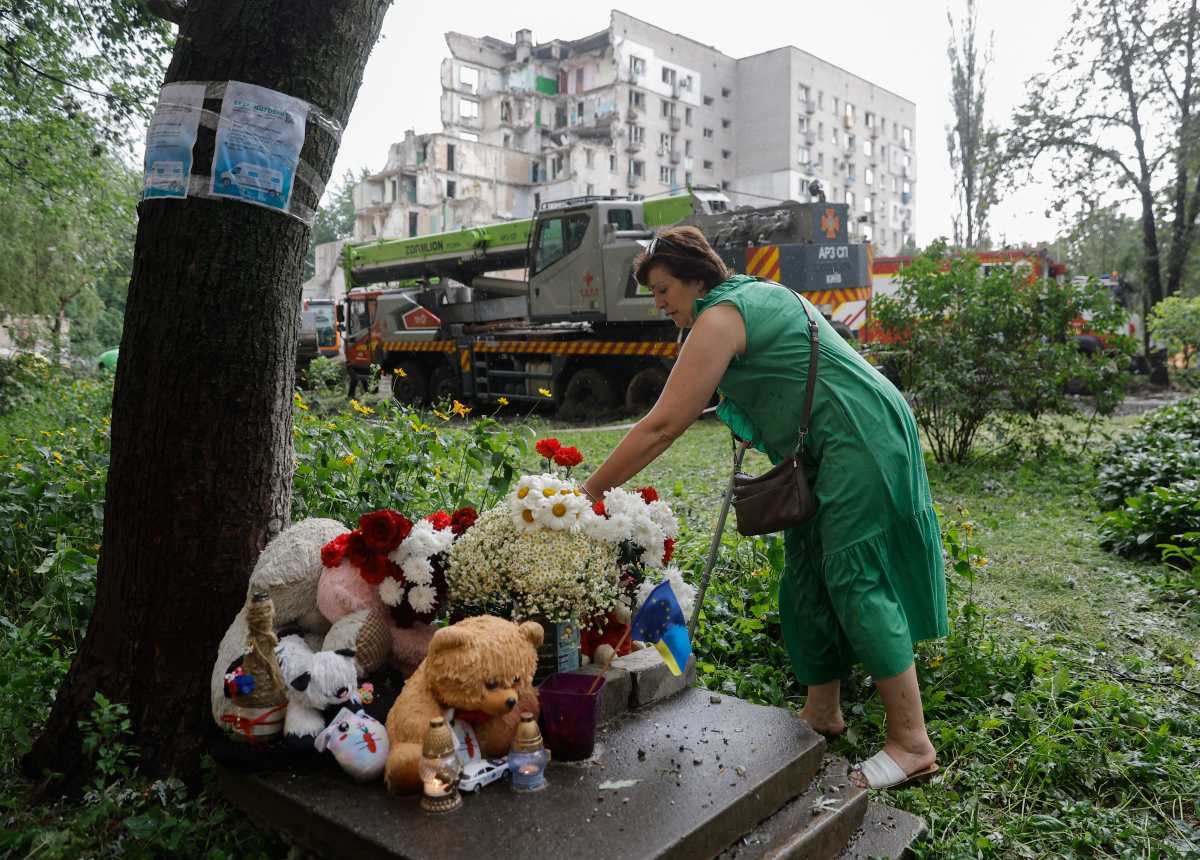
Decades after signing peace accords or emerging from dictatorships and civil wars, several Latin American nations continue to grapple with the complex legacy of past conflicts. The transition from armed struggle to peace has not always meant the end of violence; instead, it has often evolved into ongoing disputes over collective memory, historical truth, and the pursuit of justice. These unresolved issues continue to shape the relationship between states and their citizens.
Reconciliation is almost impossible without the recognition of victims.
New forms of conflict have emerged in the region, often characterized by fragmented armed groups that have shifted their objectives. Rather than seeking political power, these groups now focus on controlling territories and illicit economies, exerting influence over local populations. This evolving landscape of violence is further complicated by the pervasive spread of disinformation on social media, deepening political polarization, and the adoption of advanced technologies such as drones, which have transformed both armed and symbolic disputes.
Memories are always plural in all societies, because they have a lot to do with perceptions and perspectives on what has happened.
Political scientist Stefan Peters highlights that the memory of conflicts remains a contentious political battleground long after peace agreements are signed or democracies are restored. He explains that societal memories are inherently plural, shaped by diverse perceptions and perspectives. While often focused on the past, memory also strongly influences present situations and future outlooks. The phrase "never again," repeated across nations, prompts critical questions about what specific lessons must be learned to prevent future atrocities.
We say 'never again,' something that is repeated in Guatemala, in Germany, in Argentina and in many other places, but the big question is never again what.
Peters emphasizes that confronting the past is an ongoing task, never truly completed. New generations and evolving events continually prompt re-evaluations, potentially bringing new evidence that challenges long-held assumptions and sparks fresh debates over interpretation. He warns that ignoring the root causes of violence creates fertile ground for conflicts to resurface in new guises, underscoring the critical need for comprehensive approaches to lasting peace.
Ignoring the root causes of violence opens the door for conflicts to return in new forms.
DistantNews Editorial
Originally published by Prensa Libre in Spanish. Translated, summarized, and contextualized by our editorial team with added local perspective. Read our editorial standards.
More Stories
From Our Blog

What Gets Lost (and Found) When News Is Translated

The Critical Role of Diaspora Media in Global News

What Travellers Should Know About Countries with Restricted Press

A Digital Nomad's Guide to Following Local News

How the Same Story Looks Different in Different Countries
