


U.S.-Iran Deal Complicates Outlook for South Korean Petrochemical Firms Amid Oversupply Fears
Translated from Korean, summarized and contextualized by DistantNews.
At a glance
News
Sources not specified
Context piece
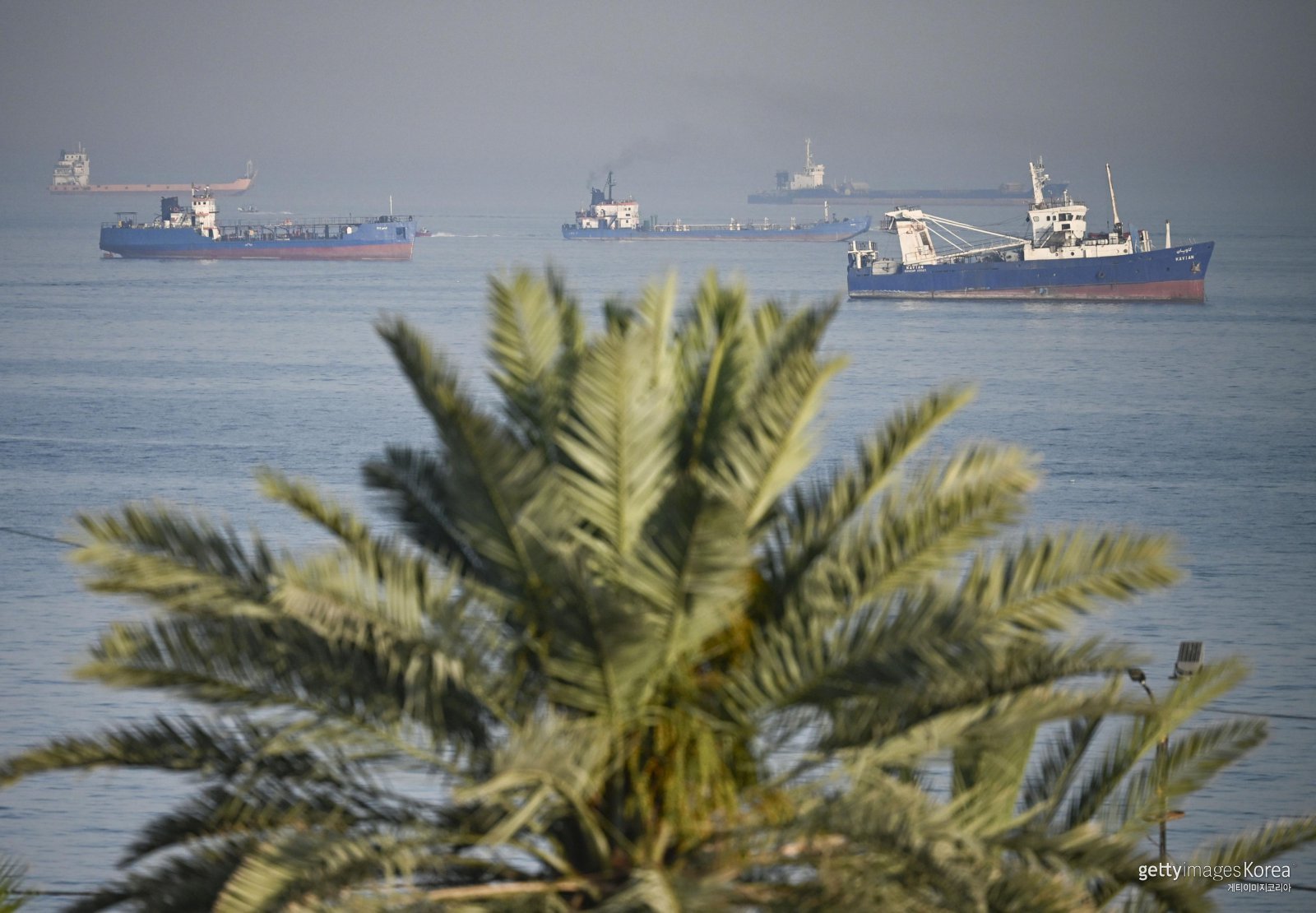
- The South Korean petrochemical industry faces complex challenges despite a potential U.S.-Iran agreement reopening the Strait of Hormuz.
- While lower oil prices offer cost relief, concerns rise over renewed oversupply from China.
- The industry also worries about "reverse legging," selling products cheaply made from expensive raw materials, hurting profitability.
South Korea's petrochemical sector faces a complicated outlook following a potential U.S.-Iran agreement that could reopen the Strait of Hormuz. While the prospect of lower oil prices offers a welcome reduction in cost burdens, the industry is simultaneously bracing for the potential return of oversupply from China.
This situation creates a dual challenge. The anticipated drop in oil prices, a key input cost, should theoretically improve profit margins. However, this benefit could be offset by increased competition from Chinese products flooding the market.
Furthermore, South Korean companies are concerned about the risk of "reverse legging." This occurs when companies sell products at low prices, despite having acquired the raw materials at high costs. This scenario, driven by fluctuating market conditions and potential oversupply, could significantly erode profitability.
DistantNews Editorial
Originally published by Chosun Ilbo in Korean. Translated, summarized, and contextualized by our editorial team with added local perspective. Read our editorial standards.
More Stories

From Our Blog

What Gets Lost (and Found) When News Is Translated

The Critical Role of Diaspora Media in Global News

What Travellers Should Know About Countries with Restricted Press

A Digital Nomad's Guide to Following Local News

How the Same Story Looks Different in Different Countries
