

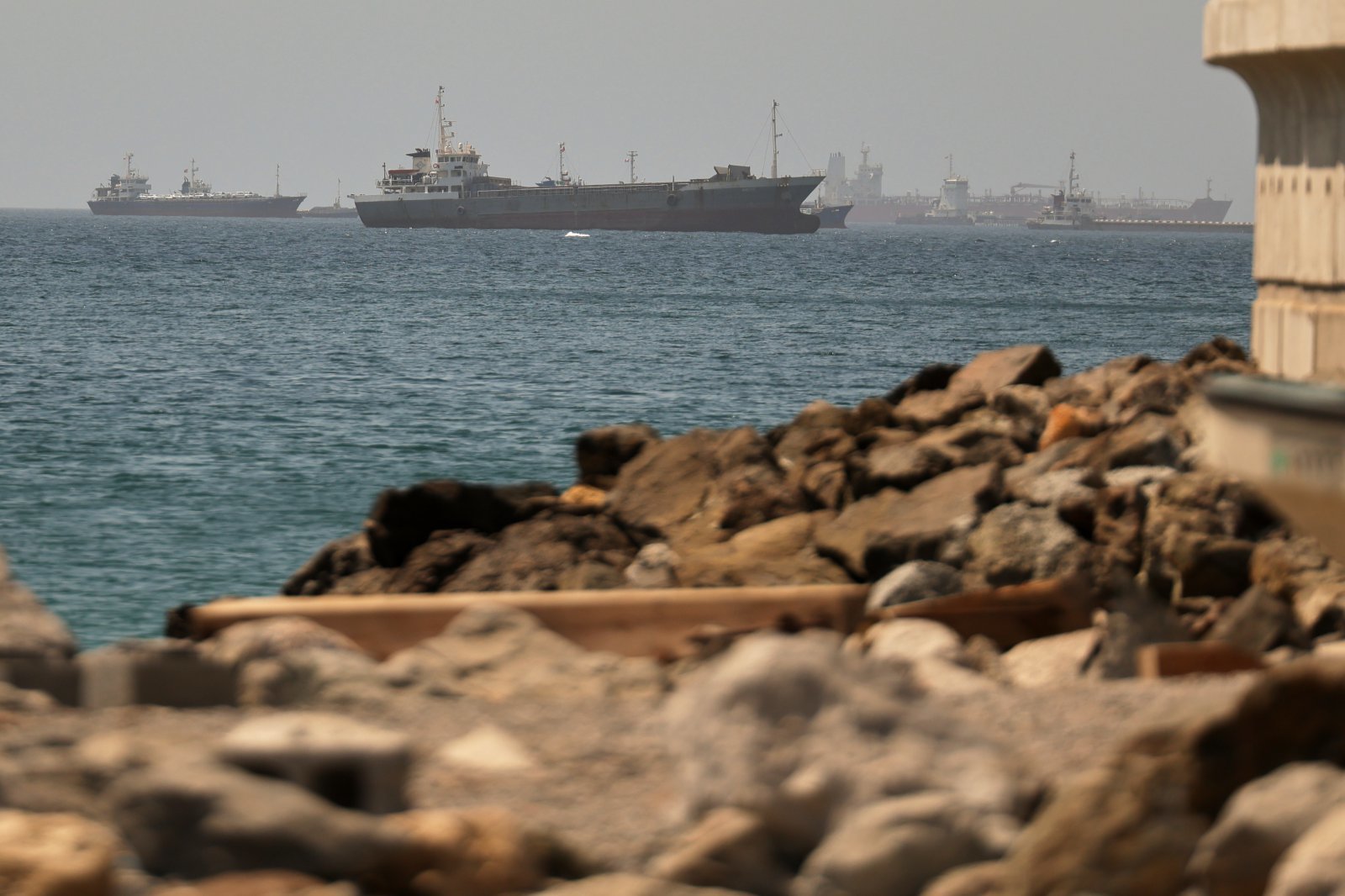

U.S.-Iran interim deal teeters on brink of collapse amid escalating conflict
Translated from Korean, summarized and contextualized by DistantNews.
At a glance
News
Named sources
Ongoing story
- A fragile interim agreement between the U.S. and Iran, designed to ensure safe passage through the Strait of Hormuz and ease oil sanctions, is on the verge of collapse.
- U.S. airstrikes and retaliatory actions by Iran over maritime incidents have escalated tensions in the Middle East.
- The breakdown threatens to reignite broader conflict, with diplomatic solutions appearing increasingly difficult due to domestic political pressures in both countries.
A fragile interim agreement between the United States and Iran, brokered just last month, is now facing a severe crisis, threatening to unravel the delicate balance in the Middle East. The core of the deal involved Iran guaranteeing safe passage for commercial vessels through the Strait of Hormuz in exchange for a temporary 60-day suspension of U.S. sanctions on Iranian oil and petrochemical products.
However, the agreement's foundation has been shaken by recent escalations. The U.S. conducted retaliatory airstrikes against approximately 80 targets in southern Iran after deeming that Iran had attacked commercial vessels in Omani waters. Iran responded swiftly, claiming to have struck significant U.S. military facilities in Bahrain and Kuwait. These actions have effectively destabilized both pillars of the interim understanding.
The interim agreement was merely a cessation of hostilities, not a comprehensive political settlement. Without a final peace accord, such clashes and miscalculations could reignite conflict across the region.
The agreement was precarious from the outset, with ambiguous language regarding Iran's commitment to ensuring safe passage. Key issues, such as the authority managing the strait, designated shipping lanes, and potential transit fees, were left undefined. This ambiguity fueled conflicting interpretations immediately after the signing, and tensions surfaced earlier with a prior exchange of attacks.
The U.S. expects Iran to receive benefits only when it shows good behavior.
Resolving the current crisis through diplomatic channels presents significant challenges. Iran is currently observing a mourning period for its former Supreme Leader Ayatollah Ali Khamenei, who was assassinated on February 4th. Public sentiment, with chants of "Kill Trump," makes it difficult for Iranian leadership to de-escalate in the face of U.S. airstrikes and the potential reinstatement of sanctions. Analysts note that some Tehran protesters are even calling for the death of negotiators.
The Trump administration also faces domestic pressure. Republican criticism of the temporary oil sanctions waiver was considerable, and the recent attacks on vessels under U.S. naval protection make it politically untenable to maintain the waiver. A U.S. official emphasized that Iran must demonstrate "good behavior" to receive benefits, underscoring the administration's stance.
The conception that Iran would give up control of the strait in exchange for concessions has only amplified Iran's demands.
The outlook remains bleak. Experts suggest the interim agreement was merely a cessation of hostilities, not a comprehensive political settlement. Without a final peace accord, such clashes, miscalculations, and accidental engagements could easily reignite conflict across the region. Furthermore, technical discussions for a final nuclear deal, crucial for stabilizing relations, have reportedly not even begun, despite a third of the 60-day negotiation period having already elapsed, making the prospect of a final agreement appear increasingly remote.
Technical discussions for a final nuclear deal have effectively not even begun.
DistantNews Editorial
Originally published by Hankyoreh in Korean. Translated, summarized, and contextualized by our editorial team with added local perspective. Read our editorial standards.
More Stories

From Our Blog

What Gets Lost (and Found) When News Is Translated

The Critical Role of Diaspora Media in Global News

What Travellers Should Know About Countries with Restricted Press

A Digital Nomad's Guide to Following Local News

How the Same Story Looks Different in Different Countries
