

U.S.-Iran Talks Maintain Ambiguity Amidst Ongoing Tensions
Translated from Vietnamese, summarized and contextualized by DistantNews.
TLDR
- U.S. and Iranian delegations are set to meet, though hopes for a substantive agreement are low due to a lower-level representation this time.
- The U.S. delegation includes Special Envoy Steve Witkoff and Jared Kushner, while Iran's Foreign Minister Abbas Araghchi is expected to attend.
- Tensions remain high, with ongoing maritime blockades by the U.S. and attacks on commercial vessels by Iran, leading to mutual accusations of escalation.
A delicate dance of diplomacy unfolds as U.S. Special Envoy Steve Witkoff and former White House advisor Jared Kushner are slated to meet with Iranian Foreign Minister Abbas Araghchi. This engagement, occurring amidst a backdrop of heightened tensions and mutual sanctions, carries the weight of past confrontations and uncertain future outcomes.
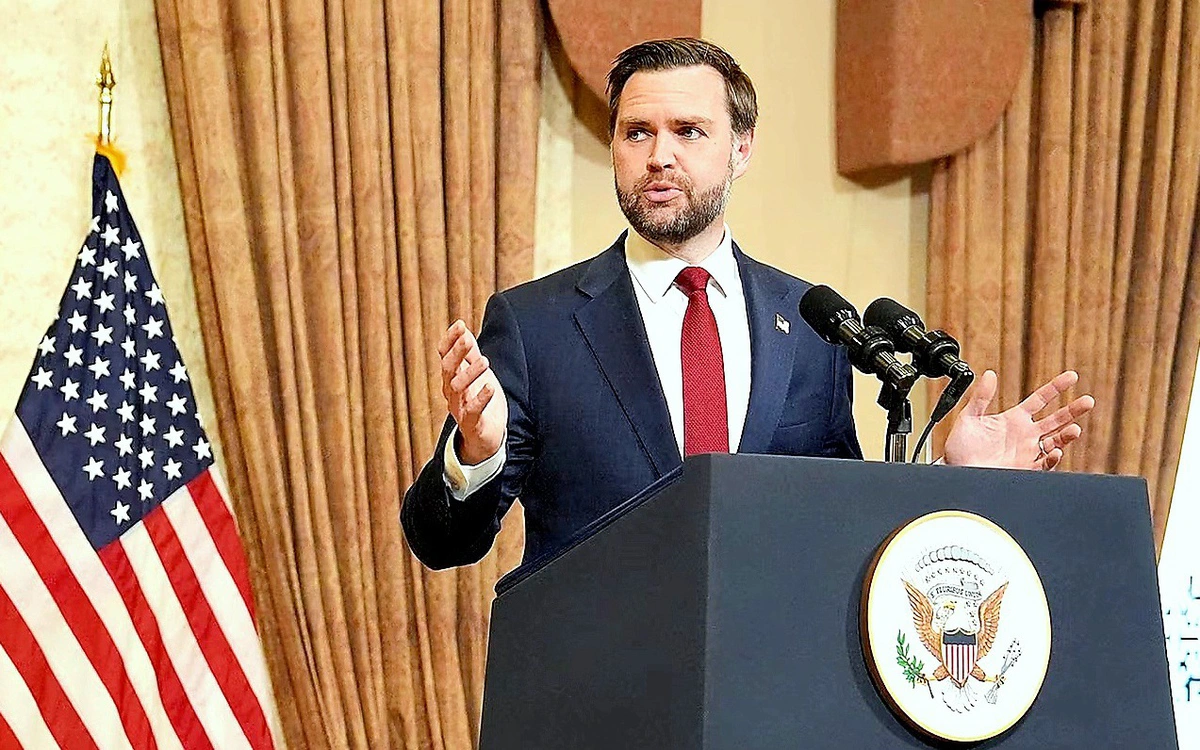
The composition of the U.S. delegation, notably lacking the higher-ranking representation of previous talks led by Vice President JD Vance, signals a potentially less consequential round of negotiations. Similarly, Iran's confirmation of Araghchi's travel to Pakistan for "timely diplomatic tours" without explicitly mentioning U.S. talks suggests a strategic ambiguity, possibly aimed at extracting more significant concessions from Washington.
Iran knows that they still have a window to make a wise choice at the negotiating table.
From an Iranian perspective, the ongoing U.S. maritime blockade and the lingering effects of past military actions necessitate a firm stance. Tehran's public rejection of negotiations while ports remain blockaded, coupled with its continued actions in the Strait of Hormuz, indicates a demand for tangible de-escalation from the U.S. side before substantive discussions can commence. The narrative from Tehran emphasizes national sovereignty and resistance against perceived foreign pressure.
The U.S. administration, conversely, frames its actions as necessary measures to counter Iran's destabilizing influence and compel a return to the negotiating table. Statements from U.S. officials suggest a continued commitment to military pressure, while leaving a diplomatic "window" open. This dynamic creates a precarious situation where both sides engage in a high-stakes game of brinkmanship, with the potential for miscalculation and further escalation ever-present.
There is no meeting planned in Pakistan, and Iran will convey its position through Pakistan.
DistantNews Editorial
Originally published by Tuổi Trẻ in Vietnamese. Translated, summarized, and contextualized by our editorial team with added local perspective. Read our editorial standards.
More Stories
From Our Blog

What Gets Lost (and Found) When News Is Translated

The Critical Role of Diaspora Media in Global News

What Travellers Should Know About Countries with Restricted Press

A Digital Nomad's Guide to Following Local News

How the Same Story Looks Different in Different Countries
