

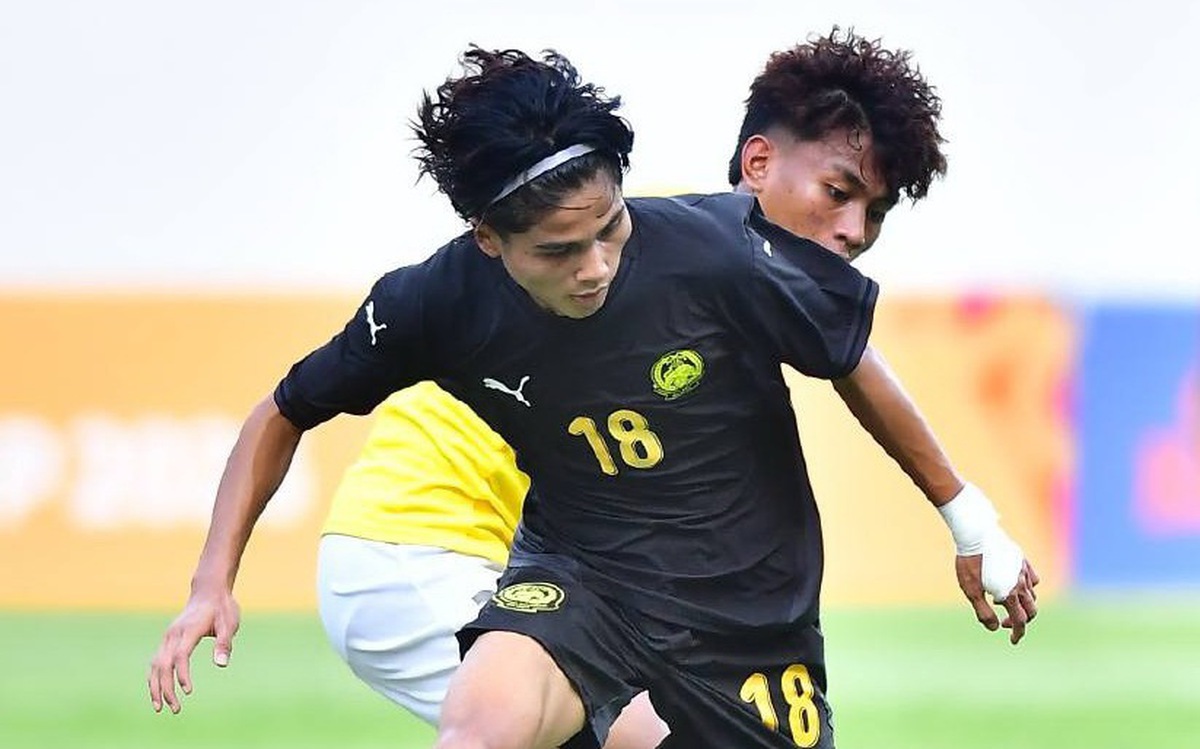
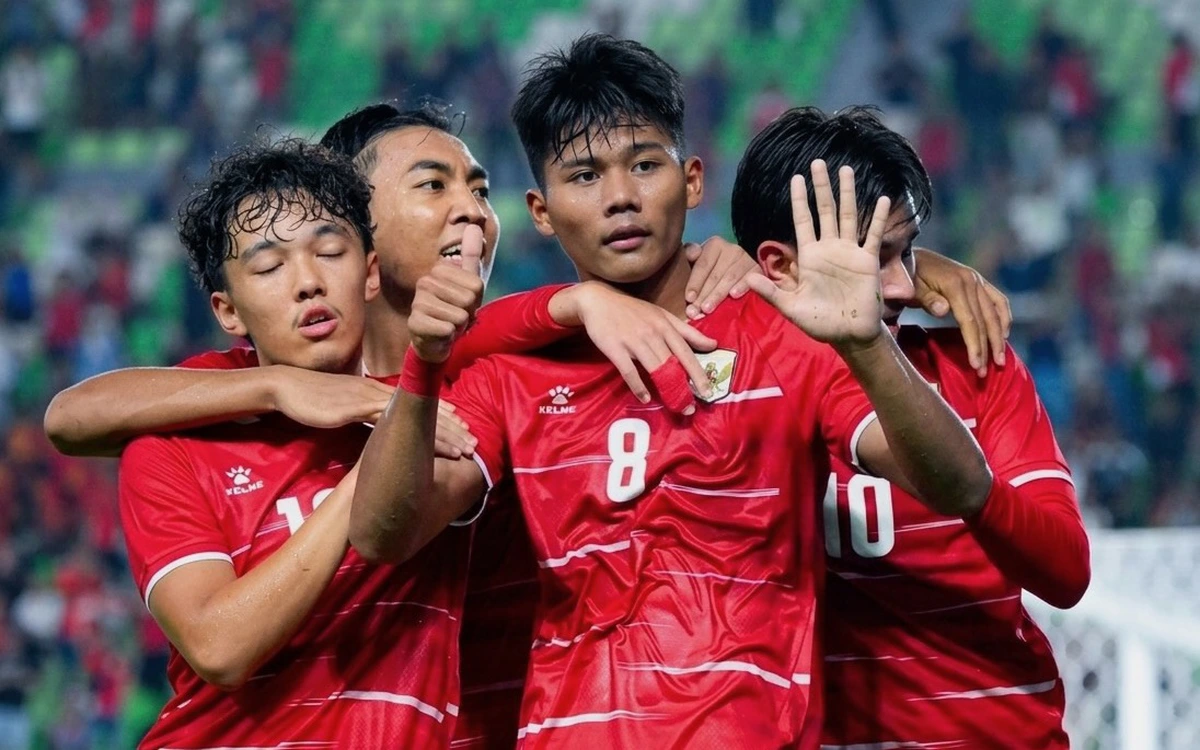
U19 Indonesia Players Banned From Social Media to Boost Focus
Translated from Vietnamese, summarized and contextualized by DistantNews.
At a glance
News
Sources not specified
Context piece
- U19 Indonesia players are banned from social media during the 2026 AFF U19 Championship to maintain focus.
- Head coach Nova Arianto believes social media activity can distract players from training and matches.
- The team has won its first two matches and aims to defeat Vietnam to secure a direct qualification spot.
The Indonesian U19 national football team is enforcing strict discipline during the 2026 AFF U19 Championship, with all players banned from using social media platforms. This measure aims to ensure the players remain fully focused on the tournament, where they are hosts.
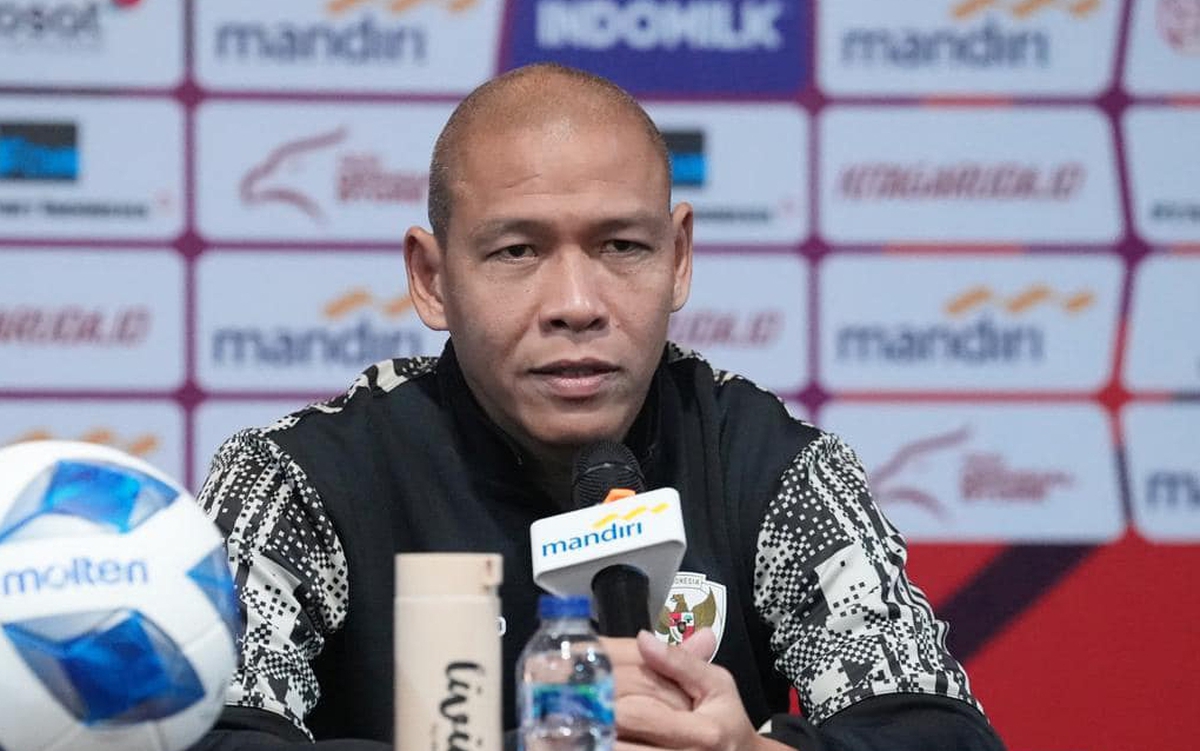
Head coach Nova Arianto implemented the ban, stating that social media activity can significantly distract players during training sessions and matches. He believes that by cutting off access, he can help the team concentrate on their performance on the field and their recovery off it. Players wishing to contact family must do so through the coaching staff or team management.
I want all of them to focus maximally on the expertise on the football field and recovery after each training session and match.
The team has started the tournament strongly, securing two victories with identical 3-0 scores against Myanmar and Timor Leste. They currently sit second in Group A, behind Vietnam on goal difference. The U19 Indonesian squad is determined to win their upcoming match against Vietnam to secure direct qualification for the next stage, rather than relying on a runner-up spot.
Coach Arianto, a former Indonesian international, has extensive experience, having served as an assistant coach for various national teams and frequently faced Vietnamese squads. He emphasizes that maintaining maximum concentration is crucial, especially as they prepare for the decisive group match against Vietnam on June 7.
We want to beat U19 Vietnam to get direct qualification, not gamble our fate on a runner-up spot.
DistantNews Editorial
Originally published by Tuổi Trẻ in Vietnamese. Translated, summarized, and contextualized by our editorial team with added local perspective. Read our editorial standards.
More Stories
From Our Blog

What Gets Lost (and Found) When News Is Translated

The Critical Role of Diaspora Media in Global News

What Travellers Should Know About Countries with Restricted Press

A Digital Nomad's Guide to Following Local News

How the Same Story Looks Different in Different Countries
