

UAE boosts oil output to record high after leaving OPEC
Translated from Malay, summarized and contextualized by DistantNews.
At a glance
News
Sources not specified
Context piece
- The UAE increased its oil production to a record high of 4.1 million barrels per day in June, surpassing its previous record from 2020.
- This increase follows the UAE's decision to withdraw from OPEC in May, a move analysts suggest was driven by frustration over production limits imposed by Saudi Arabia.
- The higher output allows the UAE to bypass concerns about Iran's control over the Strait of Hormuz, utilizing its own pipeline to Fujairah port.
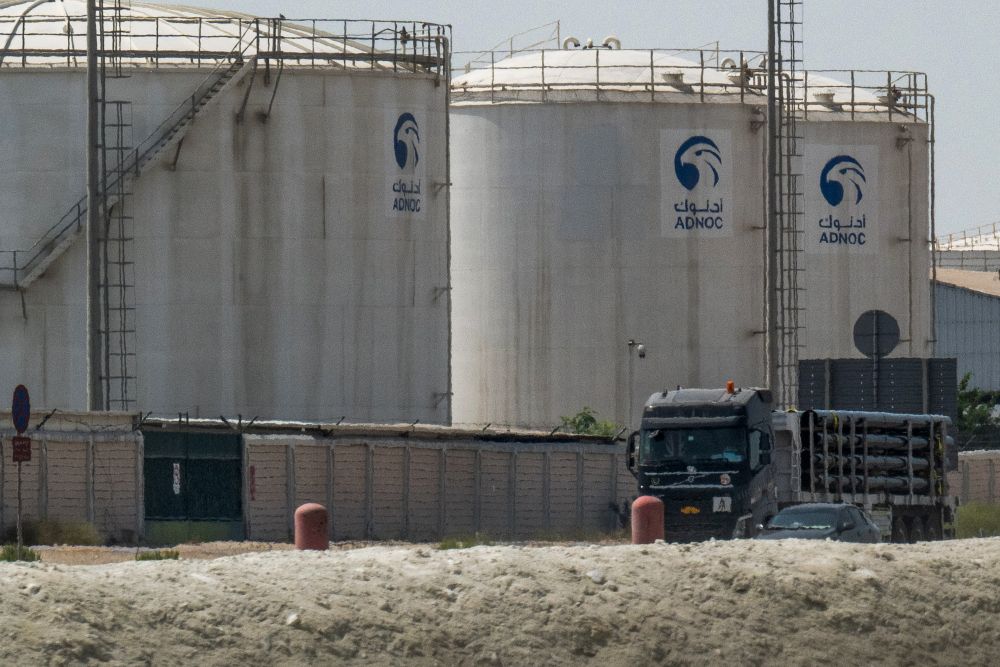
The United Arab Emirates has significantly boosted its oil production, reaching a record 4.1 million barrels per day in June. This surge comes after the UAE's departure from the Organization of Petroleum Exporting Countries (OPEC) in May, a strategic move analysts believe stems from Abu Dhabi's long-held frustration with production quotas set by Saudi Arabia.
Analysts suggest the UAE felt constrained by OPEC, particularly Saudi Arabia's efforts to manage global oil prices. By leaving the cartel, the UAE can now leverage its substantial investments in production capacity. This decision also aligns with the interests of the U.S. administration, which had expressed concerns about rising energy prices.
The UAE's enhanced production capacity also provides a strategic advantage by mitigating risks associated with Iran's control over the Strait of Hormuz. The country's pipeline to Fujairah port offers an alternative export route, ensuring a more stable flow of oil despite regional tensions. This development underscores the UAE's assertive stance in the global energy market.
DistantNews Editorial
Originally published by Utusan Malaysia in Malay. Translated, summarized, and contextualized by our editorial team with added local perspective. Read our editorial standards.
More Stories


From Our Blog

What Gets Lost (and Found) When News Is Translated

The Critical Role of Diaspora Media in Global News

What Travellers Should Know About Countries with Restricted Press

A Digital Nomad's Guide to Following Local News

How the Same Story Looks Different in Different Countries
