


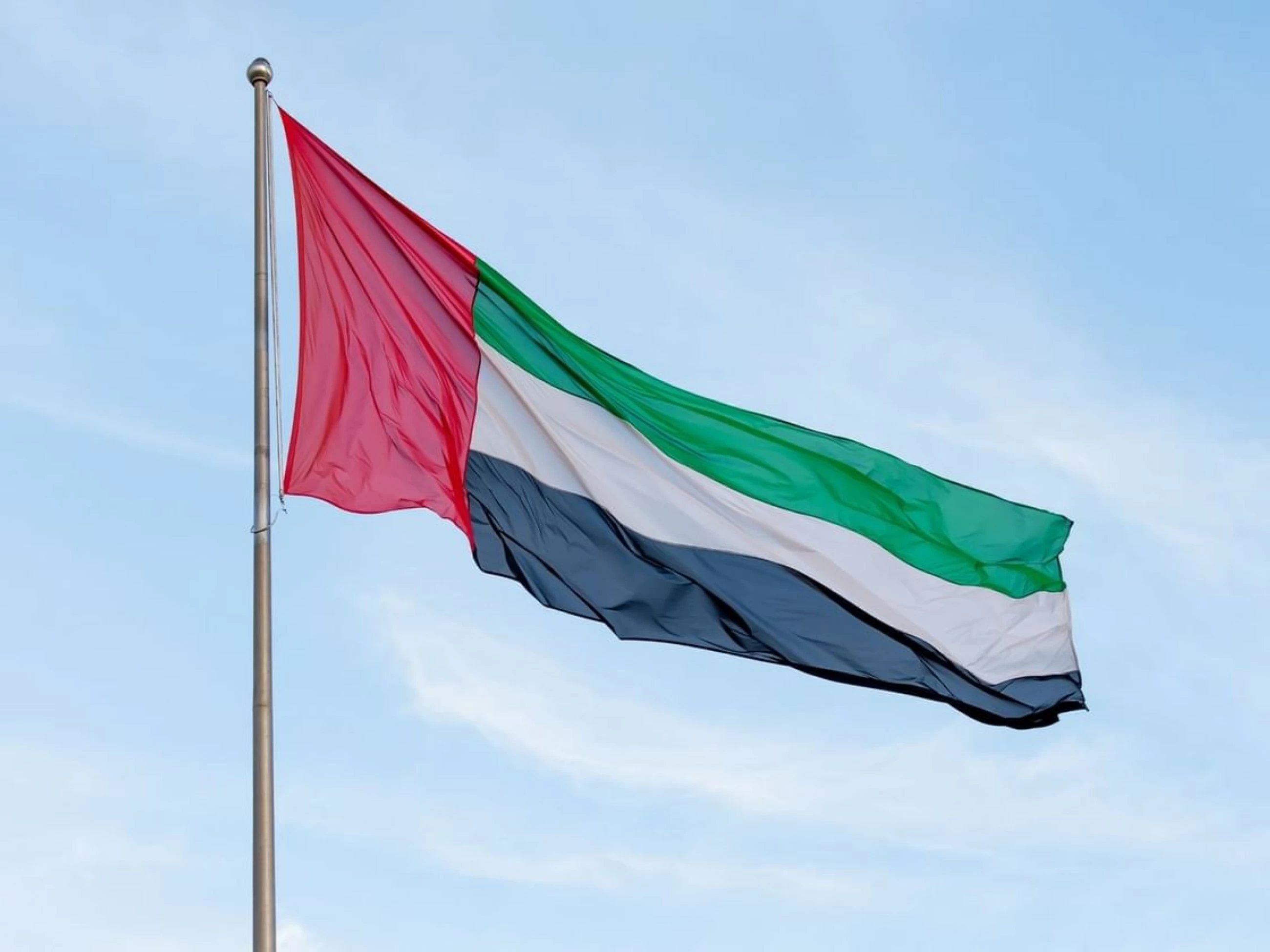
UAE, Gulf allies reject Iran's alternative Hormuz route, condemn 'Persian Gulf Strait Authority'
Translated from English, summarized and contextualized by DistantNews.
At a glance
News
Named sources
Context piece
- The UAE, along with Bahrain, Kuwait, Qatar, and Saudi Arabia, has formally rejected Iran's proposed alternative route through the Strait of Hormuz and its "Persian Gulf Strait Authority."
- These Gulf states argue that Iran's actions violate international law, freedom of navigation, and undermine the International Maritime Organization (IMO).
- The IMO recently adopted a resolution, co-sponsored by the UAE, expressing grave concern over Iran's threats to maritime navigation and seafarers in the Strait of Hormuz.
As Gulf Today, an English-language daily newspaper based in the UAE, we report on the unified stance of the Gulf Cooperation Council (GCC) states regarding Iran's provocative actions in the Strait of Hormuz. The joint statement, issued during a crucial International Maritime Organization (IMO) meeting, unequivocally rejects Iran's attempts to establish an alternative transit route and its so-called "Persian Gulf Strait Authority." This is not merely a diplomatic disagreement; it is a defense of fundamental principles of international maritime law and the unimpeded flow of global commerce, which is vital to our region's prosperity.
Through the adoption of this resolution, the international community has once again clearly expressed its rejection of Iran’s unlawful actions and their serious impact on maritime safety and the security of seafarers.
The establishment of the "Persian Gulf Strait Authority" is particularly egregious. Iran's misleading portrayal of this entity as sovereign and its audacious claims of jurisdiction extending into the territorial waters of neighboring states represent a blatant violation of sovereignty and a destabilizing force in an already sensitive region. The UAE and its allies rightly emphasize that such unilateral actions undermine the established international framework managed by the IMO, an organization that has proven effective in ensuring safe passage through this critical waterway. Our editorial stance, therefore, strongly supports the international community's rejection of these unlawful maneuvers.
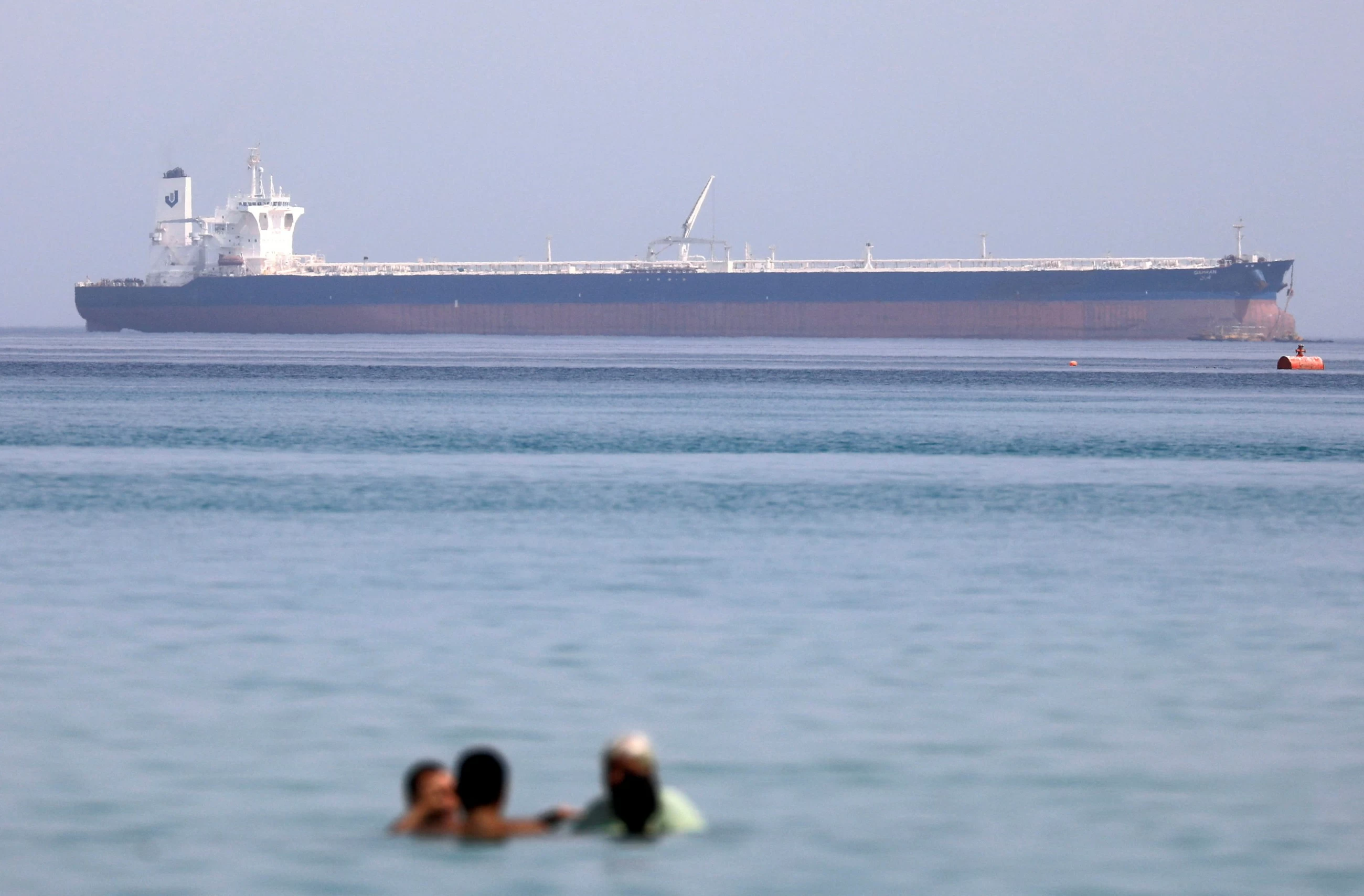
Ensuring the safety and welfare of more than 20,000 seafarers stranded due to Iran’s unlawful actions remains a top priority for the UAE, and IMO member states and relevant international organizations must continue making every effort to achieve this.
Furthermore, the recent IMO resolution, strongly supported by the UAE and numerous co-sponsors, highlights the grave international concern over Iran's escalating threats, including the use of drones, missiles, and naval mines. The resolution's acknowledgment of the tragic impact on seafarers—at least 11 deaths and over 20,000 stranded—underscores the human cost of Iran's actions. For the UAE, ensuring the safety and welfare of seafarers is a paramount priority, reflecting our deep commitment to maritime security and our role as a global trade hub. This unified front sends a clear message: the international community will not stand idly by while Iran jeopardizes global maritime safety and security in pursuit of its own agenda.
member states expressed grave concern over Iran’s use of drones, missiles, and naval mines in and around the Strait of Hormuz, describing them as a serious threat to maritime navigation and seafarers.
DistantNews Editorial
Originally published by Gulf Today in English. Translated, summarized, and contextualized by our editorial team with added local perspective. Read our editorial standards.
More Stories


From Our Blog

What Gets Lost (and Found) When News Is Translated

The Critical Role of Diaspora Media in Global News

What Travellers Should Know About Countries with Restricted Press

A Digital Nomad's Guide to Following Local News

How the Same Story Looks Different in Different Countries
