

UEFA in Monaco: Money, Power, and Champions League Draw
Translated from German and summarized by DistantNews. Read the original for the full story.
At a glance
Analysis
Sources not specified
Context piece
- The UEFA event in Monaco is a significant gathering involving money, power, and the Champions League draw.
- It highlights the financial interests and influence wielded within European football.
- The draw determines the matchups for one of the world's most prestigious club competitions.
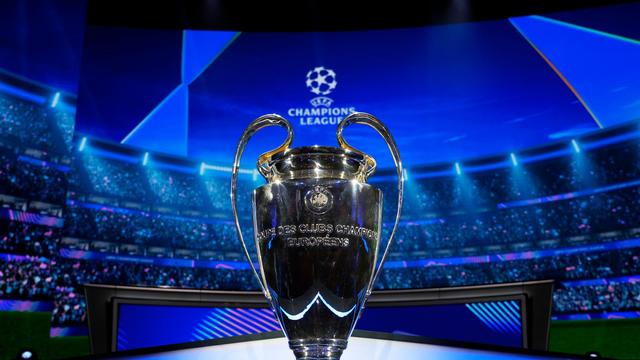
The annual UEFA event held in Monaco serves as a focal point for the intersection of money, power, and prestige in European club football. This gathering is more than just a draw for the coveted Champions League; it is a high-stakes arena where significant financial interests and considerable influence are at play.
As Europe's elite clubs converge, the event underscores the immense financial ecosystem surrounding the Champions League. Sponsorship deals, broadcasting rights, and prize money collectively amount to billions of euros, making the competition a critical revenue generator for both UEFA and participating teams. The draw itself dictates the path each club will take, directly impacting their potential earnings and sporting ambitions for the season.
Beyond the financial implications, the Monaco event is also a demonstration of power within the footballing world. Representatives from major clubs, national federations, and UEFA engage in discussions and negotiations that shape the future of the sport. Decisions made here can have far-reaching consequences, influencing regulations, competition formats, and the overall governance of European football.
The draw ceremony, while seemingly a simple procedural event, is imbued with anticipation and strategic importance. The pairings can significantly alter a team's chances of progressing, creating narratives of triumph and disappointment before a ball is even kicked. It is a moment that captures the attention of millions of fans worldwide, eager to see how the continental battle lines will be drawn.
About this summary
Originally published by Die Zeit in German. Translated, summarized, and contextualized automatically by DistantNews, with a note on how the source frames the story. Not individually reviewed before publishing. How this works.
More Stories
From Our Blog

What Gets Lost (and Found) When News Is Translated

How the Same Story Looks Different in Different Countries

The Critical Role of Diaspora Media in Global News

What Travellers Should Know About Countries with Restricted Press

A Digital Nomad's Guide to Following Local News
