


Uganda's Ebola fight hinges on community trust
Translated from English, summarized and contextualized by DistantNews.
At a glance
In-depth
Sources not specified
Context piece
- Uganda's fight against the Bundibugyo Ebola strain relies heavily on community engagement, not just border controls.
- Trusted volunteers are crucial for dispelling myths and encouraging early symptom reporting in villages and public spaces.
- The absence of a vaccine for this strain makes prevention, early detection, and community trust paramount for containment.
Uganda's efforts to combat the Bundibugyo strain of Ebola are increasingly focused on the crucial role of communities, moving beyond traditional border security measures. While border controls, screening, and surveillance are important for slowing transmission, the country's past experiences demonstrate that outbreaks are ultimately contained within communities.
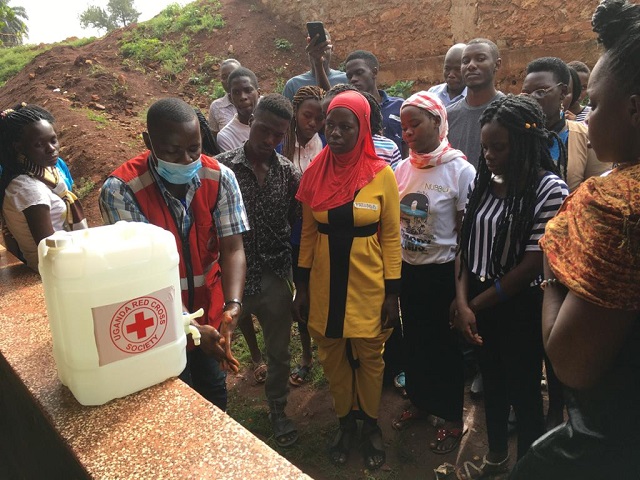
The real battle against Ebola is being fought in villages, trading centers, schools, and places of worship. Here, trusted volunteers work door-to-door, addressing misinformation and encouraging families to report symptoms early. Local leaders play a vital role in convincing people to seek medical attention, fostering trust in health messages amidst fear and stigma.
This community-based approach is particularly critical as Uganda faces the Bundibugyo strain, for which there is no approved vaccine. This means that prevention, early detection, and public cooperation are more vital than ever. The success of the response hinges on building trust between health workers and the communities they serve.
Past outbreaks have shown how fear and misinformation can spread rapidly, leading communities to hide sick relatives or avoid health workers. Such actions, though often fear-driven, facilitate the virus's spread. Uganda's strategy now emphasizes the importance of neighbors speaking to neighbors, with volunteers leveraging their local connections to provide accurate information, calm fears, and guide families on protective measures.
DistantNews Editorial
Originally published by AllAfrica Uganda in English. Translated, summarized, and contextualized by our editorial team with added local perspective. Read our editorial standards.
More Stories


From Our Blog

What Gets Lost (and Found) When News Is Translated

The Critical Role of Diaspora Media in Global News

What Travellers Should Know About Countries with Restricted Press

A Digital Nomad's Guide to Following Local News

How the Same Story Looks Different in Different Countries
