


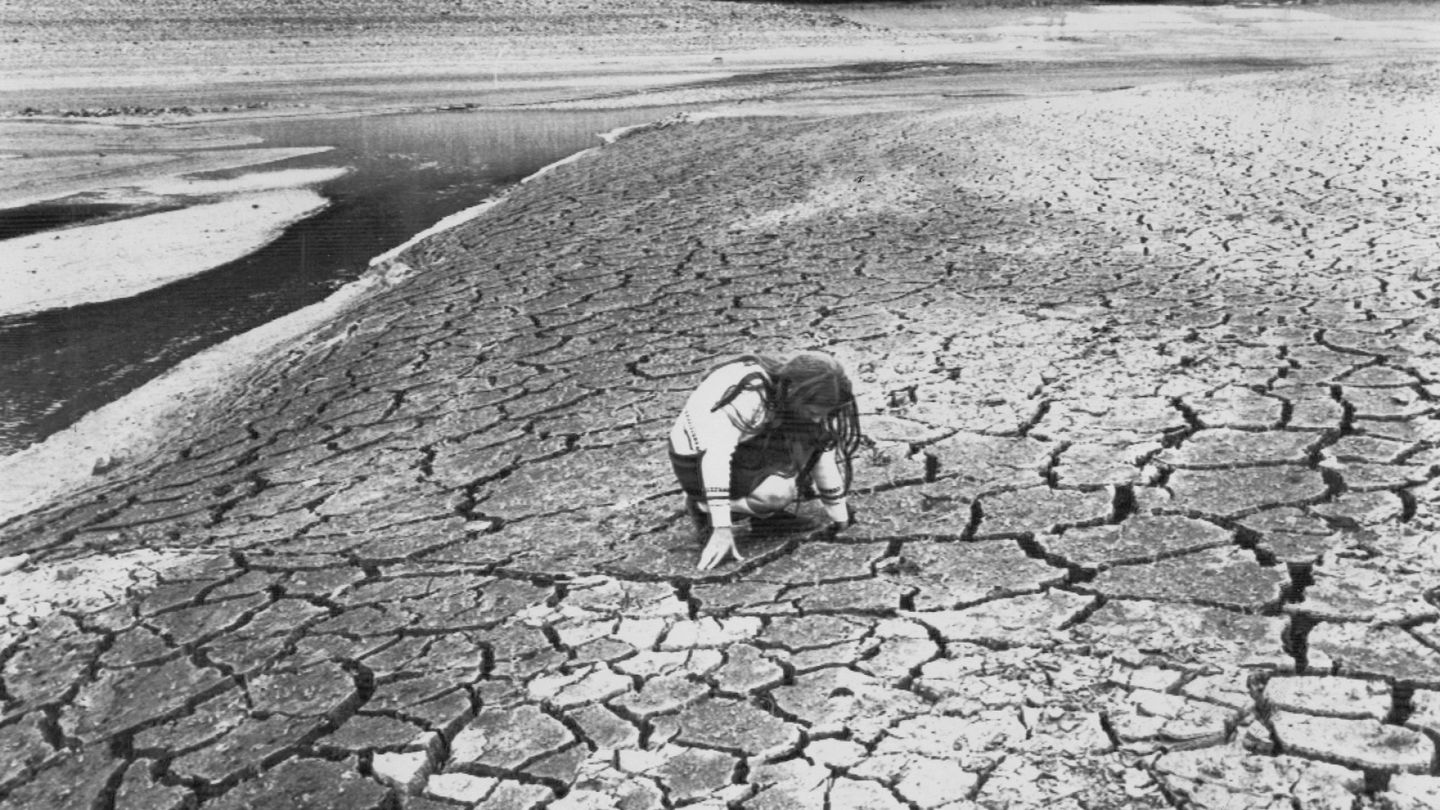
UK Faces Severe Water Shortages as Historic Drought Continues
Translated from Finnish and summarized by DistantNews. Read the original for the full story.
At a glance
News
Sources not specified
Context piece
- England is enduring its driest year since the early 18th century, with minimal rainfall since May.
- Water reserves are critically low, potentially lasting only three weeks in some areas.
- Industrial regions face the prospect of reduced workweeks if water supplies are not secured.
England is grappling with a severe drought, marking the driest period since detailed records began in the early 1700s. With rainfall scarce since May, except for parts of northern Scotland and the southeast of England, overall precipitation has been less than half of normal summer levels. This prolonged dry spell has pushed water reserves to critical lows, with projections indicating they may last only three weeks in some locations and up to four months in others.
The drought's impact is most acutely felt in Wales and the industrial heartlands of central England. Here, the scarcity of water threatens industrial operations, raising the specter of reduced workweeks. By mid-September, industries may be forced to adopt three- or even two-day workweeks if water availability cannot be guaranteed, potentially leading to significant economic disruption.
Authorities are urging the public to conserve water, advising against activities such as washing cars, watering gardens, and unnecessary flushing of toilets. The stark plea, "Let your flowers die," underscores the severity of the situation. The cause of this extreme weather pattern remains unexplained, and scientists are uncertain whether it signals a broader shift in the climate. The nation waits anxiously for relief, hoping for substantial rainfall to replenish the dwindling water supplies.
About this summary
Originally published by Helsingin Sanomat in Finnish. Translated, summarized, and contextualized automatically by DistantNews, with a note on how the source frames the story. Not individually reviewed before publishing. How this works.
More Stories


From Our Blog

What Gets Lost (and Found) When News Is Translated

The Critical Role of Diaspora Media in Global News

What Travellers Should Know About Countries with Restricted Press

A Digital Nomad's Guide to Following Local News

How the Same Story Looks Different in Different Countries
