


Ukraine at the mercy of corruption: Huge fraud involving billions of dollars siphoned abroad
Translated from Greek, summarized and contextualized by DistantNews.
At a glance
News
Official statement
Under investigation
- Ukrainian tax authorities uncovered an extensive fraud network involving over 2,300 shell companies.
- These companies allegedly funneled approximately $4.7 billion to offshore accounts through fictitious trade transactions.
- The scheme, spanning from 2024 to early 2026, has raised serious concerns about corruption and financial oversight in Ukraine.
Ukrainian tax authorities have exposed a vast economic fraud scheme, revealing that over 2,300 shell companies illicitly funneled nearly $4.7 billion (approximately 198 billion hryvnias) abroad. The operation, which ran from 2024 to the first quarter of 2026, relied on fictitious trade transactions, sparking significant concerns about the levels of corruption and financial oversight within the country.
Official data from Ukraine's State Tax Service indicates that the majority of suspicious activities involved export procedures. Specifically, 1,243 companies conducted shipments valued at over 176 billion hryvnias, while another 555 managed imports exceeding 18 billion hryvnias. Lesia Karnaukh, the acting head of the Tax Service, highlighted the immense scale of the operation, noting that seven individuals appeared simultaneously as directors or founders in over 500 companies each, controlling more than 7,000 business entities in total.
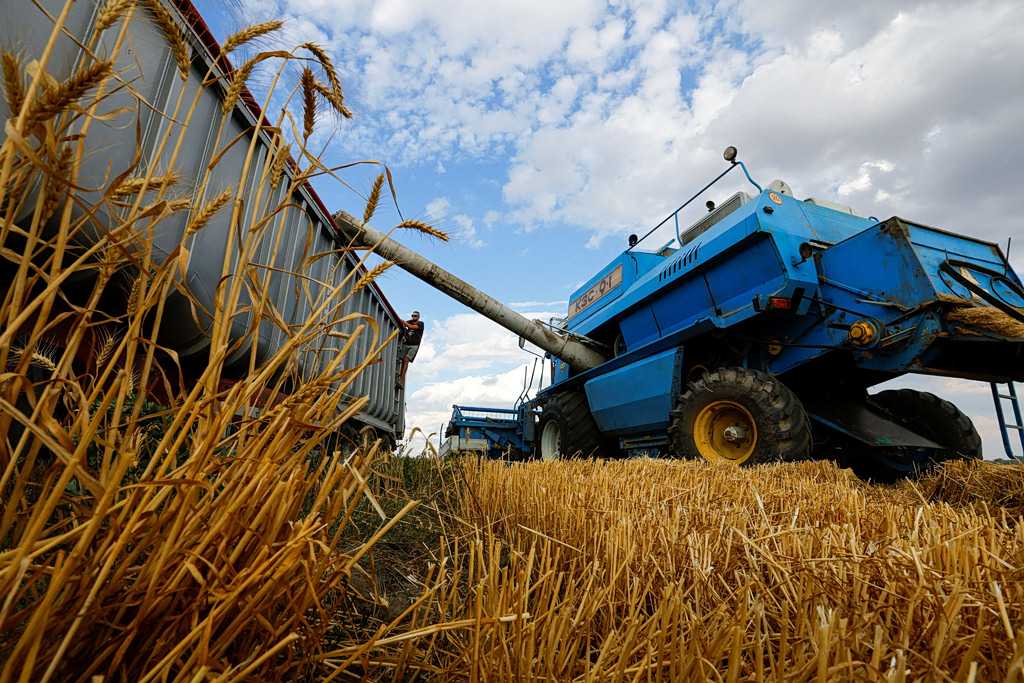
The authorities traced the network through shared IP addresses, computer networks used for financial reporting, and identical registered addresses among the involved companies. Evidence of money laundering has been identified in 557 of these businesses, with their cases forwarded to the Prosecutor General's Office for further judicial investigation. While the tax service did not specify the products involved, suspicions point towards the country's robust agricultural sector, which accounts for nearly 60% of Ukraine's total exports.
This sector is frequently affected by the "black grain" phenomenon, where products are bought with cash, resold through shell companies to legitimize funds, sometimes declared as agricultural waste to avoid high taxes, with profits ending up in foreign banks. This situation complicates Kyiv's international relations, especially as the European Union had suspended tariffs and quotas on Ukrainian agricultural products since 2022 to support the country's economy. This decision had provoked strong reactions from farmers in countries like Poland, Romania, and Hungary, who denounced unfair competition, ultimately leading the EU to end the preferential regime in June 2025.
The revelation comes at a time when Ukraine is receiving billions in financial and military aid from the West. Simultaneously, Moscow is politically leveraging the issue, accusing Kyiv of systematically embezzling Western resources through corruption chains. Meanwhile, Ukrainian authorities continue their internal investigations, including a recent crackdown on a bribery ring totaling 100 million.
The scheme had taken on enormous proportions, as seven individuals were identified who appeared simultaneously as directors or founders in more than 500 companies each, controlling a total of over 7,000 business entities.
DistantNews Editorial
Originally published by Ta Nea in Greek. Translated, summarized, and contextualized by our editorial team with added local perspective. Read our editorial standards.
More Stories


From Our Blog

What Gets Lost (and Found) When News Is Translated

The Critical Role of Diaspora Media in Global News

What Travellers Should Know About Countries with Restricted Press

A Digital Nomad's Guide to Following Local News

How the Same Story Looks Different in Different Countries
