

Ukraine Builds Brigade From Scratch: 'Whoever Survives, Wins'
Translated from German, summarized and contextualized by DistantNews.
At a glance
In-depth
Sources not specified
Context piece
- Ukraine is rapidly building the 159th Mechanized Brigade from scratch to reinforce its depleted army in 2024.
- The new brigade aims to transform civilians into a combat-ready unit capable of holding a front line against Russia's superior personnel and material.
- Training is intensive and compressed, focusing on essential combat skills to ensure recruits can survive on the battlefield.
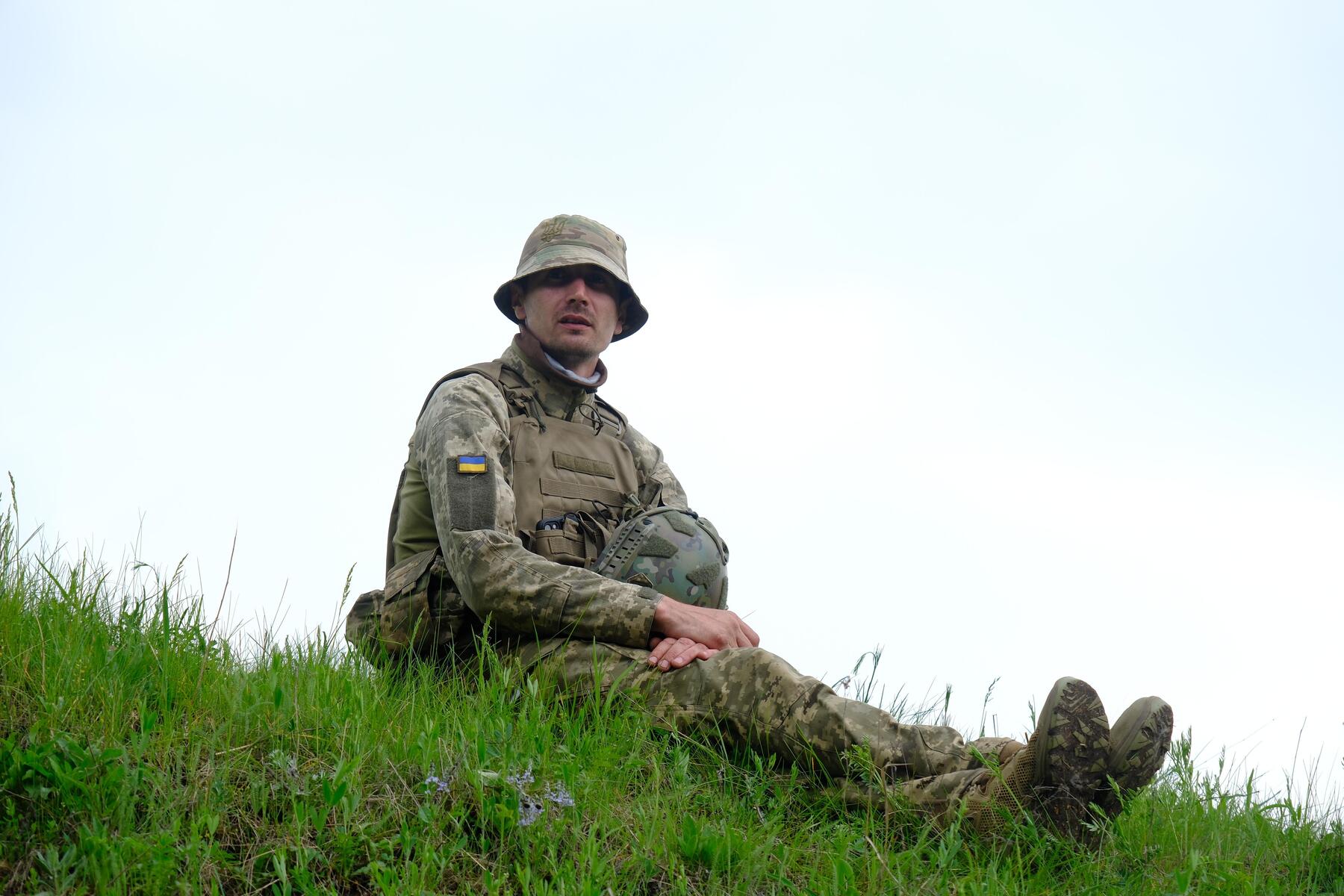
In a wooded area southeast of Kharkiv, the sounds of gunfire are a regular part of the training schedule for new recruits of Ukraine's 159th Mechanized Brigade. The brigade, established in spring 2024, is part of a wave of new units intended to bolster the Ukrainian army, which faces significant personnel shortages.
Whoever survives, wins.
The training grounds, or "polygons," are a mix of improvised and under-construction facilities. The urgency is palpable, as the war does not wait for training areas to be completed. The 159th Brigade's mission is to take civilians and forge them into a cohesive, combat-capable force able to withstand Russia's advantages in manpower and equipment.
Instructors, including a seasoned infantryman who requested anonymity, emphasize constant repetition and a deliberately extended acclimatization period. This rigorous approach aims to answer the critical question: Can soldiers be trained quickly enough to survive combat, rather than becoming casualties shortly after deployment?
The war does not wait until a training ground is finished.
The training pipeline, lasting about two weeks at this stage, follows basic training. Recruits here are meant to bridge the gaps left by initial instruction, focusing on practical skills like rifle handling and grenade throwing. The goal is to produce soldiers ready for the front lines, a stark reality for a nation fighting a protracted war.
Can a soldier be trained quickly enough to survive combat – and not appear in the casualty statistics a few days later?
DistantNews Editorial
Originally published by Die Presse in German. Translated, summarized, and contextualized by our editorial team with added local perspective. Read our editorial standards.
More Stories


From Our Blog

What Gets Lost (and Found) When News Is Translated

The Critical Role of Diaspora Media in Global News

What Travellers Should Know About Countries with Restricted Press

A Digital Nomad's Guide to Following Local News

How the Same Story Looks Different in Different Countries
