


Ukraine Creates Long-Range Strike Command to Intensify Attacks on Russia
Translated from Korean, summarized and contextualized by DistantNews.
At a glance
News
Named sources
Context piece
- Ukraine has established a special command, 'Long-Range Strike Command,' and rapid response units to intensify attacks on Russia.
- The new command aims to weaken Russia's war-fighting capabilities by concentrating all available resources.
- This move follows successful Ukrainian drone attacks on Russian energy infrastructure, leading to diesel export bans and disruptions.
Ukrainian President Volodymyr Zelenskyy has signed decrees to establish a special 'Long-Range Strike Command' and rapid response units. The initiative aims to intensify attacks against Russia and accelerate military responses on the front lines.
The decrees state the command's purpose is to "increase the efficiency of long-range strikes, reduce the enemy's ability to wage war against Ukraine, and weaken the enemy's military potential." Zelenskyy emphasized that the command would focus 100% of its resources on degrading Russia's war-fighting capabilities.
"This command must concentrate 100% of available resources on further weakening Russia's ability to wage war," Zelenskyy said in a national address. He also instructed the Minister of Defense and the Commander-in-Chief to recommend candidates for the command's leadership, stressing the need for a strong and experienced commander.
This command must concentrate 100% of available resources on further weakening Russia's ability to wage war.
The rapid response units will integrate assault units, drones, artillery, and other capabilities into a single, swift operational force. This new structure is designed to combine the combat power of assault units with unmanned systems, artillery, and other assets to respond most rapidly to Russia's ongoing attacks. Brigadier General Dmytro Voloshyn, a recipient of the 'Hero of Ukraine' title, has been appointed to lead the rapid response forces.
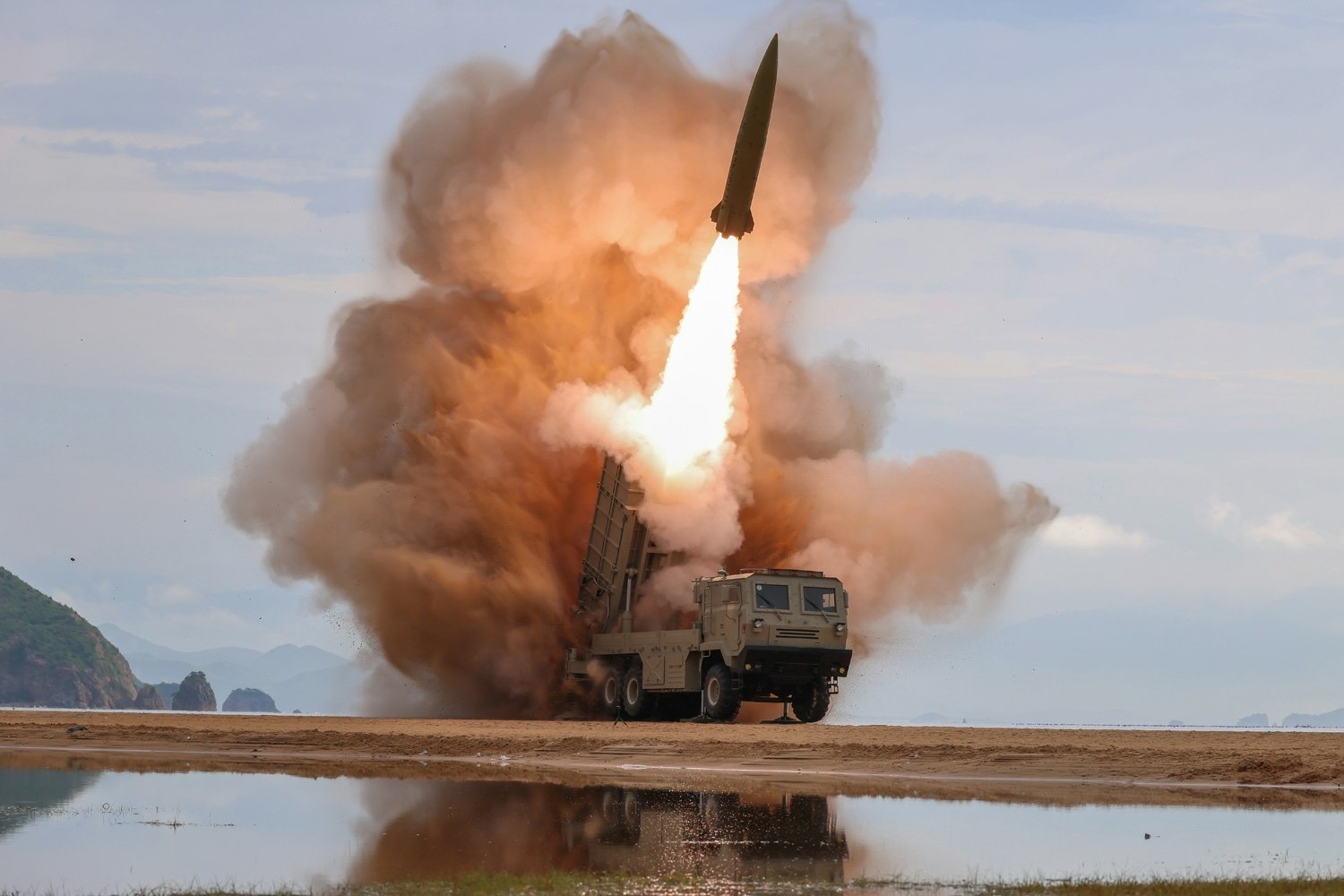
Ukraine's decision to create the Long-Range Strike Command follows successful drone attacks on Russian energy facilities. These attacks have targeted major energy infrastructure, including refineries in Krasnodar and Leningrad regions, leading to significant explosions and fires. Russia subsequently banned diesel exports due to fuel shortages and supply disruptions, impacting its domestic gasoline production to about 65% of capacity. Ukraine has also targeted oil terminals and storage facilities, with reports indicating significant damage to fuel carriers in the Sea of Azov.
The command is established to increase the efficiency of long-range strikes, reduce the enemy's ability to wage war against Ukraine, and weaken the enemy's military potential.
DistantNews Editorial
Originally published by Dong-A Ilbo in Korean. Translated, summarized, and contextualized by our editorial team with added local perspective. Read our editorial standards.
More Stories


From Our Blog

What Gets Lost (and Found) When News Is Translated

The Critical Role of Diaspora Media in Global News

What Travellers Should Know About Countries with Restricted Press

A Digital Nomad's Guide to Following Local News

How the Same Story Looks Different in Different Countries
