

Ukraine Reportedly Developing Missiles to Breach Moscow's Soviet-Era Nuclear Shield
Translated from Croatian, summarized and contextualized by DistantNews.
At a glance
News
Sources not specified
Context piece
- Ukraine is reportedly developing missiles capable of penetrating Moscow's robust air defense system.
- Moscow's air defense relies on the Soviet-era A-135 anti-ballistic missile system, supplemented by modern Pancir and S-400 systems.
- The A-135 system, designed to protect the capital and leadership from nuclear-armed intercontinental ballistic missiles, has undergone decades of development and upgrades.
Ukraine has signaled its intent to develop missiles that could pierce Moscow's formidable air defenses, a capability that would challenge Russia's strategic posture.
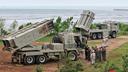
However, any potential strike on the Russian capital faces a unique obstacle: a comprehensive missile defense system in place since the Soviet era. This system, known as A-135, is designed to intercept intercontinental ballistic missiles and protect Moscow and its leadership from nuclear attacks. It operates in conjunction with several rings of air defense systems, including the modern Pancir and S-400.
The A-135 system is the result of continuous work that began in the 1950s on the "A" project. Despite technological limitations and significant costs at the time, the Soviet Union pursued its development, eventually leading to the current version. Decades of effort and numerous upgrades have been invested in this system, underscoring its critical role in Russia's defense strategy for its capital.
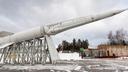
The system's interceptor missiles, the 51T6 and 53T6, are equipped with nuclear warheads. The 51T6, intended for detonation far from Moscow, carries a 10-20 kiloton nuclear warhead or a superpowered 1.4-3 megaton warhead. The 53T6, designed to intercept targets directly above the Russian capital, is equipped with a 10-kiloton warhead.
DistantNews Editorial
Originally published by Večernji List in Croatian. Translated, summarized, and contextualized by our editorial team with added local perspective. Read our editorial standards.
More Stories



From Our Blog

What Gets Lost (and Found) When News Is Translated

The Critical Role of Diaspora Media in Global News

What Travellers Should Know About Countries with Restricted Press

A Digital Nomad's Guide to Following Local News

How the Same Story Looks Different in Different Countries
