


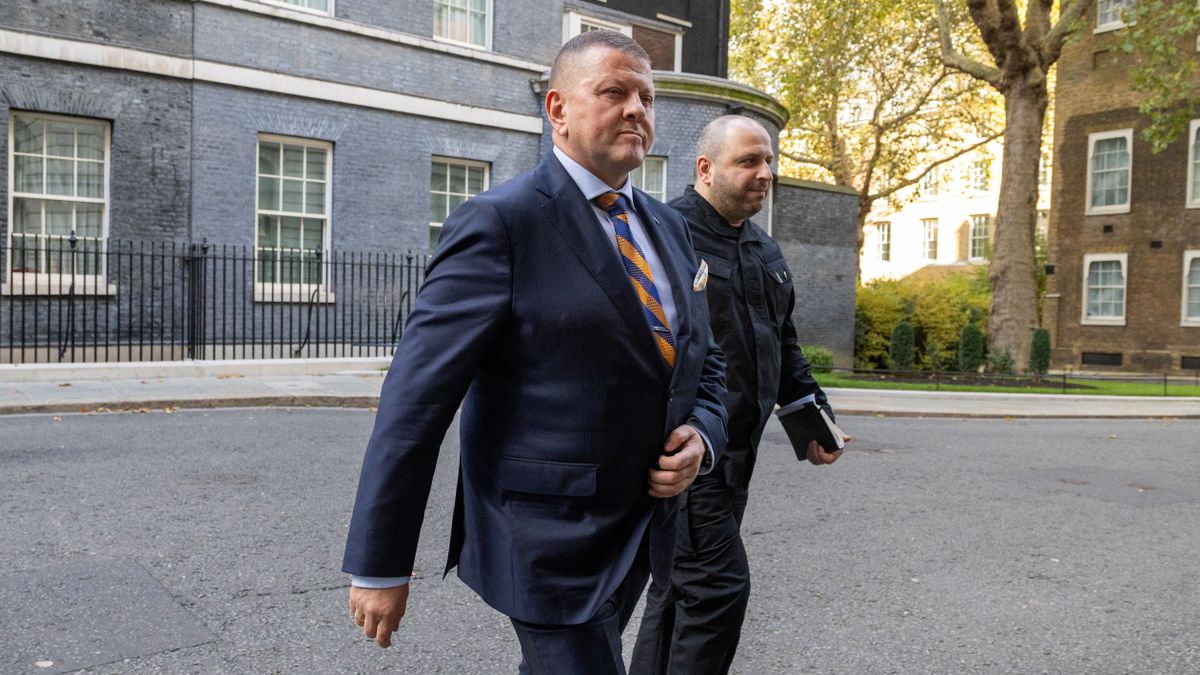
Ukraine's NATO, EU ambitions face hurdles amid leadership conflict
Translated from Hungarian, summarized and contextualized by DistantNews.
At a glance
News
Named sources
Context piece
- Ukraine's constitution enshrines NATO and EU membership as strategic goals, but membership is currently not feasible for all member states.
- Former Commander-in-Chief Valerii Zaluzhnyi was dismissed in 2024 following disagreements with President Volodymyr Zelenskyy over the war's strategy.
- Zaluzhnyi's dismissal is seen by some as a political move amid Zelenskyy's declining popularity due to the protracted war and corruption scandals.
Ukraine's strategic aspirations for NATO and European Union membership remain enshrined in its constitution, yet the path forward is complicated by internal politics and the ongoing conflict. While Ukraine officially targets these alliances, the reality is that not all member states are prepared to welcome new members at this time.
The internal dynamics within Ukraine's leadership have also come under scrutiny. Valerii Zaluzhnyi, the former Commander-in-Chief, was dismissed in 2024 after reportedly clashing with President Volodymyr Zelenskyy over the conduct of the war against Russia. This conflict has now entered its fifth year, straining resources and public patience.
Sources suggest Zaluzhnyi's removal was not purely a professional decision but potentially a political maneuver. President Zelenskyy's approval ratings have reportedly dipped as the war drags on and corruption scandals surface. In contrast, Zaluzhnyi has maintained significant popularity, leading some to view his dismissal as an attempt to consolidate power or quell dissent.
Despite these internal tensions, Ukraine continues its engagement with international partners. The country has joined an expanded partnership agreement with the JEF (Joint Expeditionary Force), an initiative that, while lacking collective security mechanisms, aims to create a multinational maritime force intended to complement NATO. This move underscores Ukraine's persistent efforts to integrate with Western security structures, even as full membership remains uncertain.
DistantNews Editorial
Originally published by Magyar Nemzet in Hungarian. Translated, summarized, and contextualized by our editorial team with added local perspective. Read our editorial standards.
More Stories

From Our Blog

Countries Without a Free Press: What You Need to Know

What Press Freedom Means for the News You Read

What Gets Lost (and Found) When News Is Translated

The Critical Role of Diaspora Media in Global News

What Travellers Should Know About Countries with Restricted Press
