


Ukraine Tests Cost-Effective Interceptor Missile, Potentially Cheaper Than Patriot
Translated from Korean, summarized and contextualized by DistantNews.
At a glance
News
From a news agency
New plan
- Ukraine successfully tested its FP-7.x interceptor missile, designed as a cost-effective alternative to Western systems like the US Patriot.
- The FP-7.x missile costs an estimated $700,000, significantly less than the $3.8 million Patriot PAC-3, while having a similar interception altitude.
- While seen as a boost to Ukraine's air defense, some experts suggest the FP-7.x will complement, rather than replace, the Patriot due to differences in targeting and capabilities.
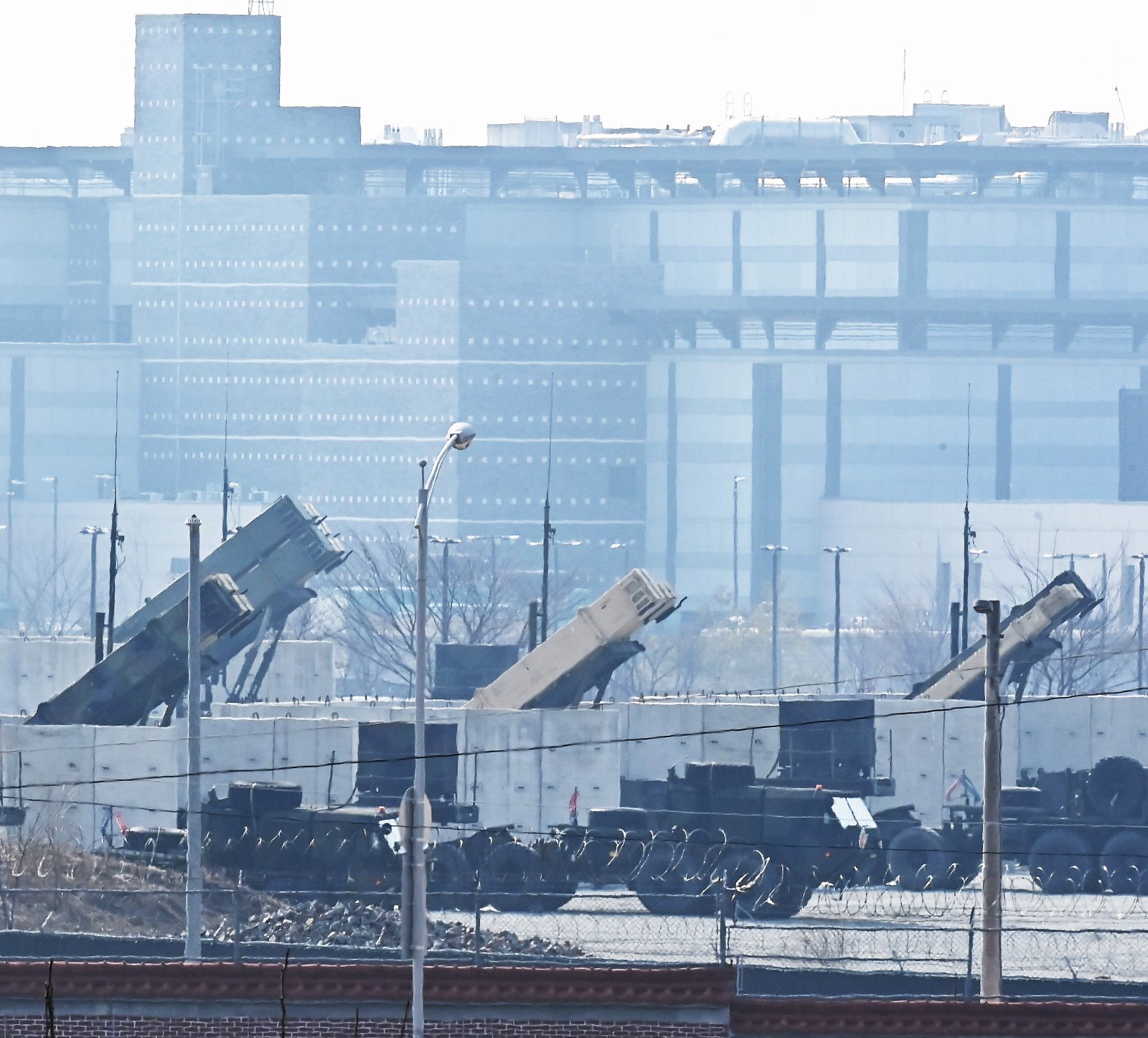
Ukraine has successfully conducted a test flight of its new FP-7.x interceptor missile, aiming to provide a more affordable defense against Russian aerial threats. Developed by Ukrainian firm Firepoint, the missile is positioned as a cost-effective alternative to expensive Western systems, particularly the US Patriot.
It was highly successful.
Firepoint co-founder Denys Sytolyeman described the test as "highly successful." The FP-7.x is estimated to cost around $700,000 per unit, a fraction of the $3.8 million price tag for Lockheed Martin's latest Patriot PAC-3 missile. Both systems reportedly have a similar interception altitude of 25 kilometers. Firepoint plans to begin mass production as early as August, with full readiness expected next year. The company is also developing the "Freyja" air defense system, integrating European radars and command systems.
Analysts suggest that the ongoing war has accelerated development timelines for Ukraine's defense industry. "We are taking perhaps the least bureaucratic approach in aerospace production," Sytolyeman noted. Defense consultant Mark Langridge commented that Ukraine's constant exposure to Russian ballistic missile attacks, while a curse, has also been a "blessing" in shortening development cycles.
We are taking perhaps the least bureaucratic approach in aerospace production.
The push for domestic missile development is partly driven by challenges in securing timely supplies of Western weaponry. The Patriot system, for instance, faces high demand due to global conflicts and has a production lead time of over two years. Former Ukrainian Foreign Minister Dmytro Kuleba has expressed concerns about over-reliance on Patriot, suggesting the US prioritizes its own defense needs.
Ukraine has the blessing and curse of constant Russian ballistic missile attacks, which has shortened the development timeline.
However, some experts caution that the FP-7.x may not fully replace the Patriot. Tom Karako, a missile defense expert at the Center for Strategic and International Studies (CSIS), views the FP-7.x as a potential complement to Ukraine's air defense capabilities. He noted that the FP-7.x primarily uses radar but employs a heat-seeking method in its final stage, unlike the Patriot. This heat-seeking approach can be more vulnerable to countermeasures, according to the Financial Times.
Can we continue to rely on Patriot? I don't think so anymore.
DistantNews Editorial
Originally published by Dong-A Ilbo in Korean. Translated, summarized, and contextualized by our editorial team with added local perspective. Read our editorial standards.
More Stories



From Our Blog

What Gets Lost (and Found) When News Is Translated

The Critical Role of Diaspora Media in Global News

What Travellers Should Know About Countries with Restricted Press

A Digital Nomad's Guide to Following Local News

How the Same Story Looks Different in Different Countries
