


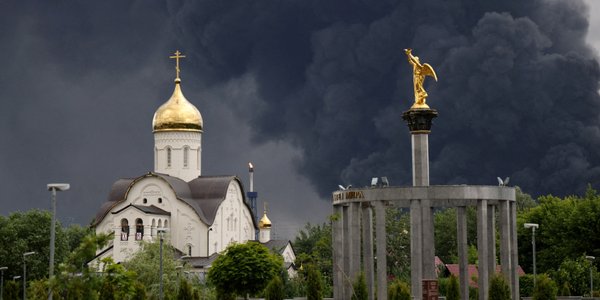
Ukraine war and fall of Carthage: A historical lesson in expansion and weakness
Translated from Polish, summarized and contextualized by DistantNews.
At a glance
Analysis
Sources not specified
Context piece
- The war in Ukraine and the fall of Carthage offer historical lessons about the dangers of unchecked expansionism combined with internal weakness.
- Modern warfare, including drones and AI, is rapidly changing tactics and strategies, moving beyond traditional military theories.
- The article discusses the increasing use of drones and remotely controlled ground units, including mini-tanks, on the front lines in Donbas.
The ongoing war in Ukraine, viewed through the lens of historical parallels like the fall of Carthage, offers a stark lesson: unchecked expansionism coupled with a weakened core proves fatal. This historical perspective suggests that while military technology evolves, fundamental strategic principles often remain relevant.
Military theorists maintain that despite advancements in techniques and technologies, the core rules of tactics and strategy, honed over centuries, endure. This notion is challenged by the rapid integration of drones and artificial intelligence into modern warfare, phenomena that were once confined to science fiction but are now a reality on the battlefield.
On the front lines in Donbas, the use of unmanned aerial vehicles and remotely controlled ground units, including small, unmanned tanks, is increasingly common. These technologies are not only replacing human soldiers in certain roles but are also reshaping the nature of combat, prompting a re-evaluation of traditional military doctrines.
DistantNews Editorial
Originally published by Rzeczpospolita in Polish. Translated, summarized, and contextualized by our editorial team with added local perspective. Read our editorial standards.
More Stories



From Our Blog

What Gets Lost (and Found) When News Is Translated

The Critical Role of Diaspora Media in Global News

What Travellers Should Know About Countries with Restricted Press

A Digital Nomad's Guide to Following Local News

How the Same Story Looks Different in Different Countries
