


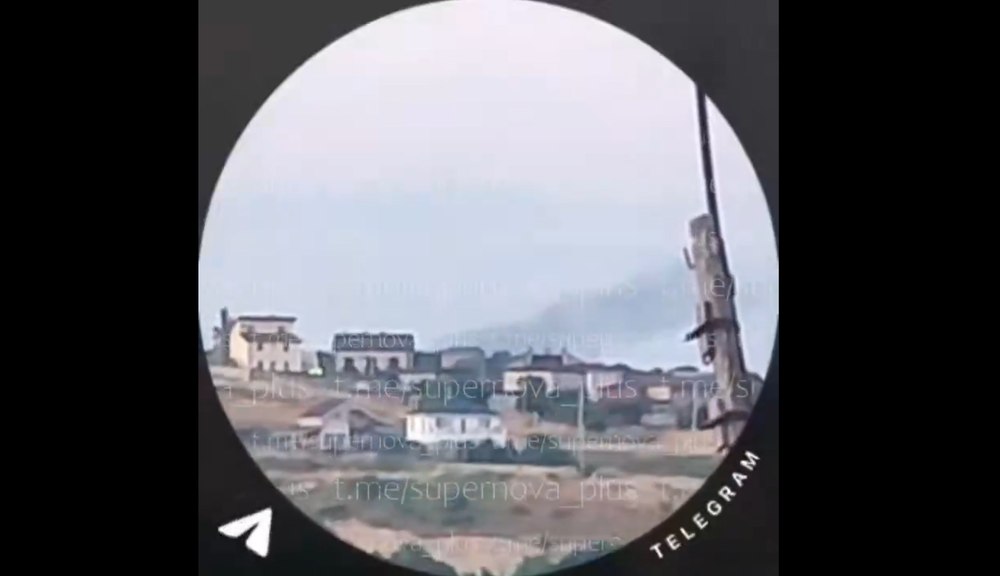
Ukrainian Attacks Prompt Crimea Authorities to Declare State of Emergency
Translated from Romanian, summarized and contextualized by DistantNews.
At a glance
News
Sources not specified
Ongoing story
- Authorities in Russian-occupied Crimea declared a state of emergency due to frequent Ukrainian air attacks.
- The raids caused power outages, disrupted logistics, and led to fuel shortages across occupied southern Ukraine.
- Russia's Defense Ministry reported downing over 600 Ukrainian drones in one night, while Ukraine reported Russian drone attacks killing civilians.
Authorities installed by Moscow in Crimea declared a "state of emergency" on Friday amid increasingly frequent air raids launched by Ukrainian forces against the peninsula. These raids have triggered power outages, disrupted supply chains, and caused fuel shortages in Crimea and other Russian-occupied territories in southern Ukraine, according to The Guardian.
Ukrainian President Volodymyr Zelenskyy stated that the intensification of Ukrainian operations serves as a form of "justice" against Russia's near-daily bombardments of Ukrainian cities. He emphasized that Crimea remains a central objective in Kyiv's strategy. In Sevastopol, the Moscow-appointed governor urged residents to reduce energy consumption to prevent further disruptions. Local authorities have also suspended sales of fuel to private vehicles, and public transport, shops, and street lighting have faced restrictions.
The Russian Ministry of Defense reported intercepting over 600 Ukrainian drones in a single night, including near Moscow and Crimea, marking one of the highest tallies since the invasion began. Meanwhile, Russian drone attacks on Friday resulted in civilian casualties in Ukraine. Two people died and 12 were injured, including two children, in Nikopol. In the Sumy region, one man was killed in a village near the regional center.
In related news, Ukraine is developing its domestic artificial intelligence capabilities. Telecom operator Kyivstar announced an agreement with the Ministry of Economy to build internal computing infrastructure for AI. The project, backed by parent company VEON, requires an initial capacity of 3-5 MW and tens of millions of dollars in investment. Kyivstar leadership noted the military is the primary user of AI technologies in Ukraine, and operating them outside the country poses a security risk. Additionally, two NATO countries on the eastern flank have warned of potential Russian "provocations" in the Baltic states or Poland, as Western sources fear increased pressure on the Kremlin could lead to escalation.
DistantNews Editorial
Originally published by Adevărul in Romanian. Translated, summarized, and contextualized by our editorial team with added local perspective. Read our editorial standards.
More Stories


From Our Blog

What Gets Lost (and Found) When News Is Translated

The Critical Role of Diaspora Media in Global News

What Travellers Should Know About Countries with Restricted Press

A Digital Nomad's Guide to Following Local News

How the Same Story Looks Different in Different Countries
