

Ukrainian Special Forces Adapt Tactics to Counter Drone Threat on Front Lines
Translated from Romanian, summarized and contextualized by DistantNews.
At a glance
News
Named sources
Ongoing story
- Ukrainian special forces are adapting their combat tactics to counter the increasing threat of drones on the battlefield.
- Drones have transformed the front lines into a "death zone" where constant aerial surveillance and attacks are common.
- Soldiers are undergoing new training that emphasizes detecting and neutralizing aerial threats, using camouflage, and quick sheltering.
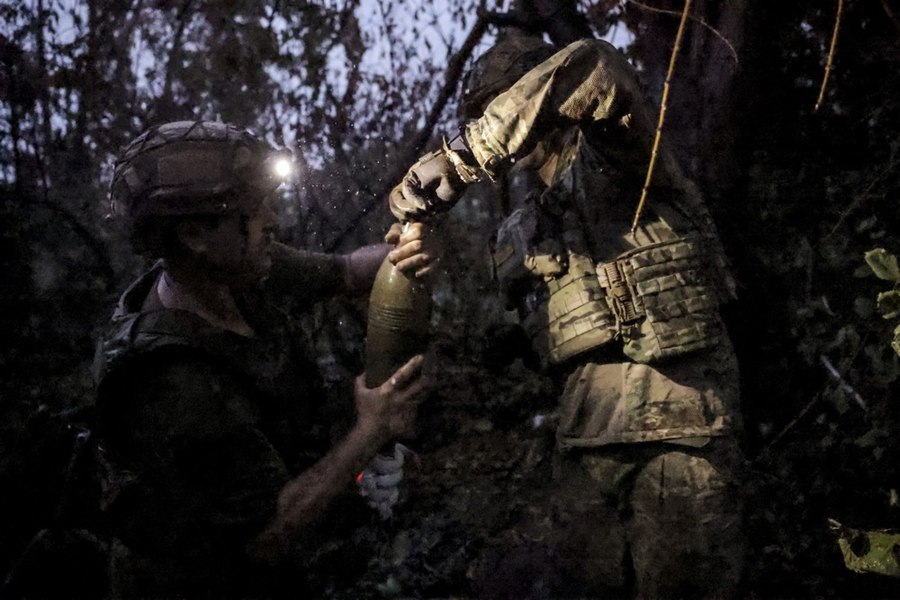
Ukrainian special forces are continuously modifying their combat methods to contend with the pervasive threat of drones, which are increasingly dominating the battlefield. Operations targeting Russian-held trenches now require constant vigilance of the airspace, as critical as monitoring enemy ground positions.
An operator from the Ukrainian Special Operations Forces' 4th Ranger Regiment, identified only by the call sign "Gur," stated that their training has significantly changed. Units are utilizing unmanned aerial vehicles more frequently and are placing greater emphasis on anti-drone defense measures. Training now includes exercises for small-group infiltration and rapid responses to aerial threats.
The front lines in southern and eastern Ukraine are described by soldiers and officials as a "death zone." Drones surveil and can strike almost any moving target, from individual soldiers to military vehicles, across a zone typically extending 10 to 20 kilometers on either side of the contact line. Ukrainian authorities report that the area covered by drones is expanding, forcing commanders to constantly adapt their tactics.
Gur explained that drone pilots are now integrated into special forces training exercises. Soldiers practice identifying aerial threats, neutralizing simulated enemy drones, protecting comrades, and finding immediate shelter. When on the ground, they learn to use vegetation and terrain for concealment, halting movement when drones are overhead and resuming only after the threat has passed. In live-fire drills, operators are using bolt-action rifles as a last resort against FPV drones, particularly those guided by fiber optics, which are difficult to counter with electronic jamming.
Our preparation has changed.
DistantNews Editorial
Originally published by Adevărul in Romanian. Translated, summarized, and contextualized by our editorial team with added local perspective. Read our editorial standards.
More Stories

From Our Blog

What Gets Lost (and Found) When News Is Translated

The Critical Role of Diaspora Media in Global News

What Travellers Should Know About Countries with Restricted Press

A Digital Nomad's Guide to Following Local News

How the Same Story Looks Different in Different Countries
