


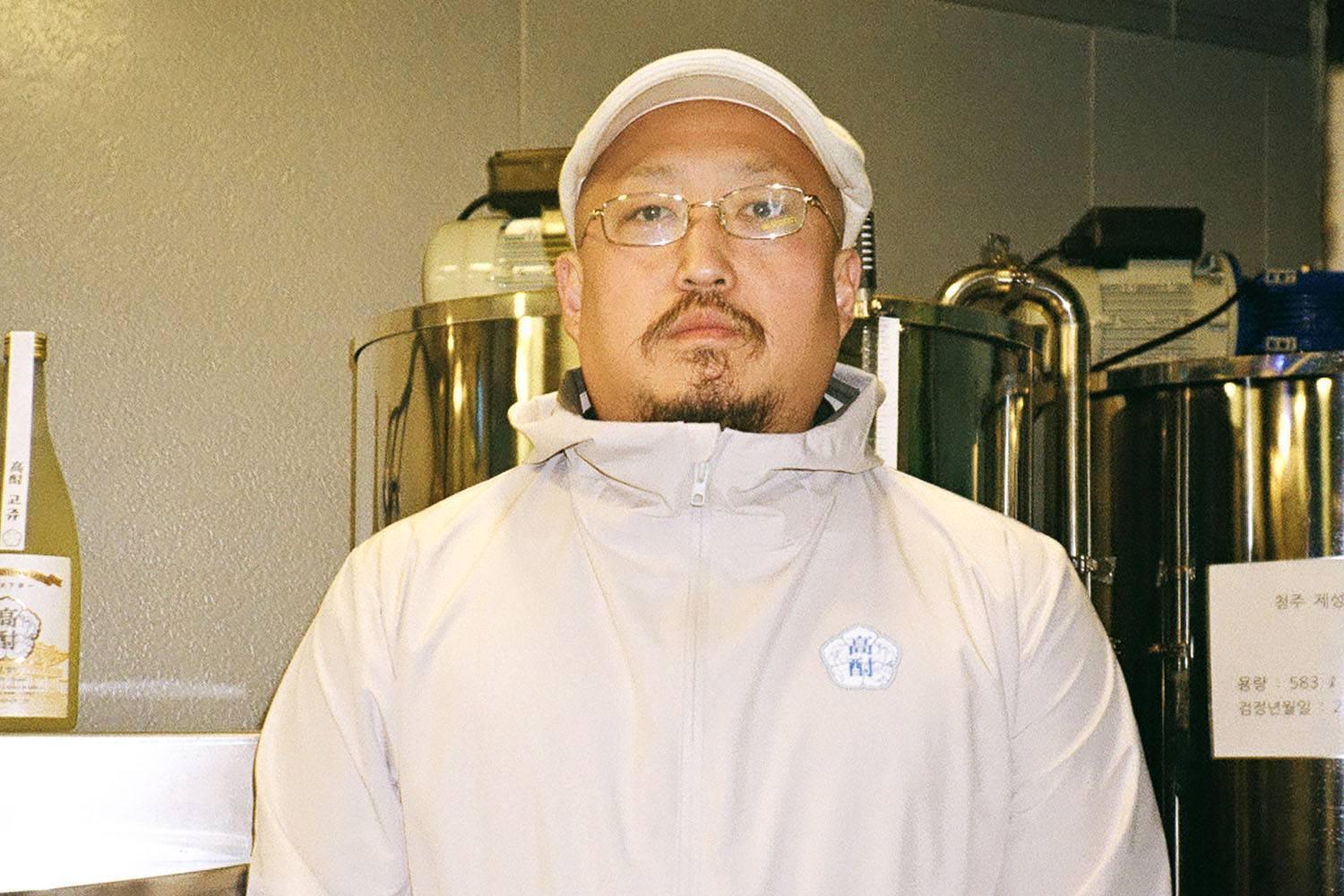
Ulsan's 'Goju Cheongju': Startup Aims to Put Korean Traditional Wine on World Map
Translated from Korean, summarized and contextualized by DistantNews.
At a glance
In-depth
Named sources
Context piece
- Whale City, a South Korean startup, aims to elevate traditional Korean rice wine (cheongju) globally by using premium local ingredients like Ulsan's Hwangwoo rice.
- The company produces 'Goju Cheongju' and 'Goju Cheongju Special,' focusing on quality, branding, and storytelling to capture international markets.
- Whale City seeks to position Korean traditional liquor as a sophisticated beverage comparable to Japanese sake, leveraging its unique fermentation methods and local Ulsan identity.
Whale City, a young brewing company based in Ulsan, South Korea, is embarking on a mission to introduce the global market to the value of traditional Korean rice wine, or cheongju. The startup focuses on premiumizing the beverage by utilizing high-quality local ingredients, notably Hwangwoo rice from the Ulsan region.
Ulsan has a strong industrial image. It's known for Hyundai Heavy Industries, Hyundai Motors, and petrochemical complexes. But if you look closely at Ulsan, there are many agricultural products and abundant local resources. I decided to start a business with the idea of creating a premium liquor brand representing Ulsan with these resources.
South Korea's food export value is rising, driven by the global popularity of K-culture. However, traditional Korean alcoholic beverages lag significantly behind in export scale compared to other food products. While exports of traditional liquor grew by 24% from 2015 to 2024, reaching approximately $24 million, their global presence remains modest. The government is supporting traditional liquor exports by promoting them as premium products linked with Korean cuisine.
Park Jin-hyuk, CEO of Whale City, was inspired to start the company by his appreciation for Japanese sake. He discovered that the origins of sake lie in traditional Korean cheongju-making techniques. This realization fueled his belief that Korean cheongju, with the right quality and branding, could achieve similar international success.
Following the history of sake, I learned that the traditional Korean cheongju manufacturing method was introduced to Japan and became sake. So, the origin of sake is actually the cheongju that our ancestors brewed in the past. But ironically, while Japanese sake has achieved tremendous global success, the original Korean cheongju is only recognized as a drink for ancestral rites or holidays, which is regrettable.
Whale City's flagship products, 'Goju Cheongju' and 'Goju Cheongju Special,' are made using the Hwangwoo rice. The company employs traditional fermentation methods, including the 'Iyangju' (two-step fermentation) for Goju Cheongju and 'Samyangju' (three-step fermentation) for the special edition, which uses glutinous rice. They also utilize domestic beer yeast to impart a unique Korean flavor profile, differentiating it from Japanese sake while borrowing some of its production logic. Whale City aims to create a comprehensive local brand that integrates regional ingredients, narratives, traditional fermentation culture, and tourism experiences, starting with Ulsan.
We are using domestic beer yeast to implement a fermentation method similar to Japanese sake, but we are trying to achieve a unique aroma and taste of the Korean climate.
DistantNews Editorial
Originally published by Dong-A Ilbo in Korean. Translated, summarized, and contextualized by our editorial team with added local perspective. Read our editorial standards.
More Stories



From Our Blog

What Gets Lost (and Found) When News Is Translated

The Critical Role of Diaspora Media in Global News

What Travellers Should Know About Countries with Restricted Press

A Digital Nomad's Guide to Following Local News

How the Same Story Looks Different in Different Countries
