


UN climate chief sees El Niño's impact on India's rainfall
Translated from Danish, summarized and contextualized by DistantNews.
At a glance
News
Sources not specified
Context piece
- The UN's Food and Agriculture Organization warns that El Niño is already impacting global climate, citing India's driest June in 12 years.
- Experts express concern over crop planting and the growing season due to below-normal rainfall forecasts, potentially harming rain-dependent crops, pastures, and increasing fire and flood risks.
- While El Niño doesn't automatically mean a global food crisis, it raises the risk, prompting calls for countries to prepare.
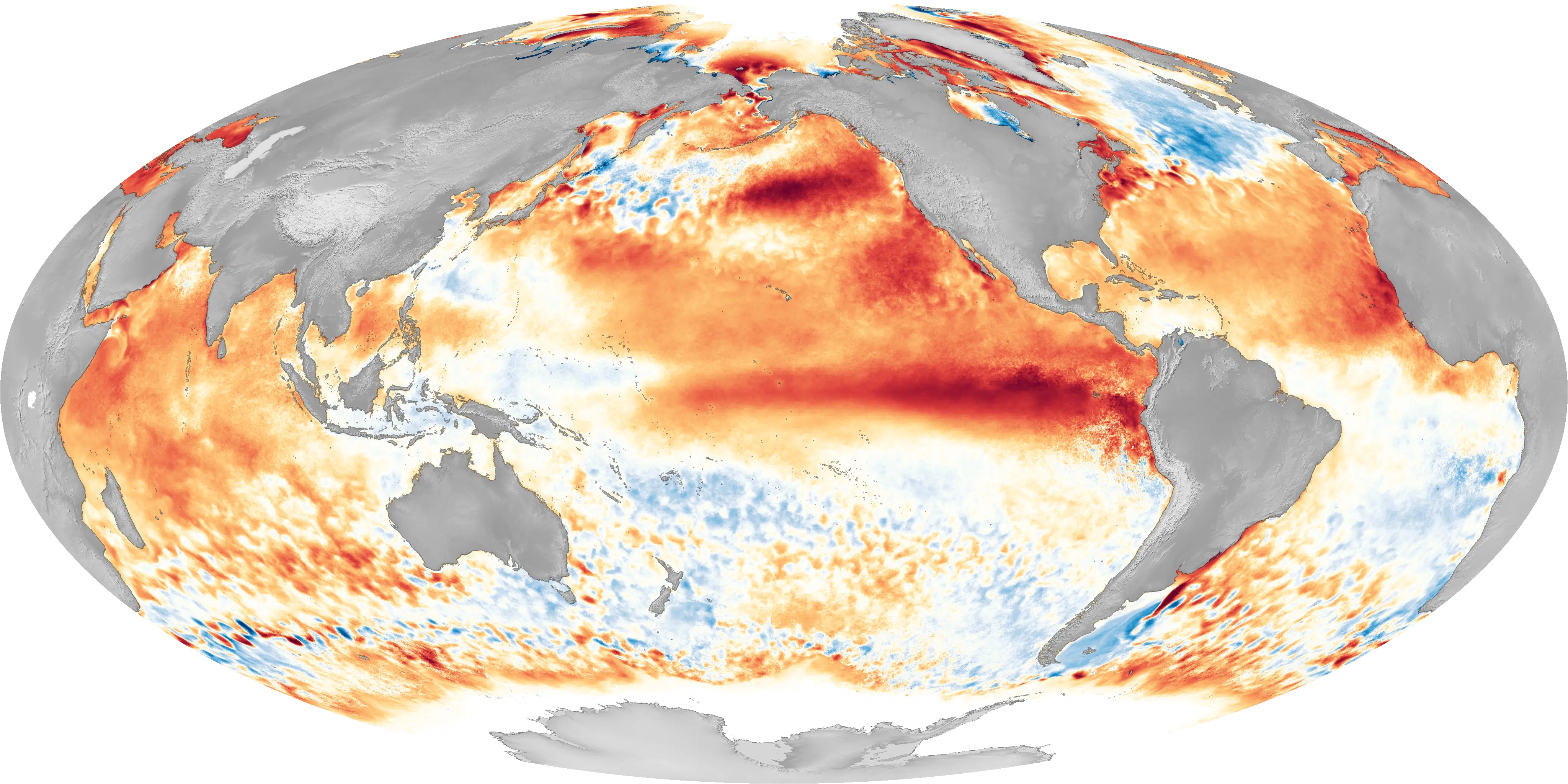
India is experiencing its driest June in 12 years, a stark indicator that the El Niño weather phenomenon is already affecting the global climate, according to Kaveh Zahedi, head of climate change, biodiversity, and environment at the UN's Food and Agriculture Organization (FAO).
With less rain than normal in the forecasts for July, there is real concern for crop planting and the growing season ahead.
"With less rain than normal in the forecasts for July, there is real concern for crop planting and the growing season ahead," Zahedi stated. He elaborated that El Niño could damage rain-dependent crops, dry out grazing areas, disrupt fisheries, and escalate the risk of natural fires and floods.
It can damage crops that are dependent on rainfall, dry out grazing areas, disrupt fisheries, and increase the risk of natural fires and floods.
Historically, El Niño events have had significant impacts on agriculture. For instance, the 1997-1998 El Niño event saw rice production in the Philippines plummet by 27 percent, while maize production fell by 44 percent. Zahedi cautioned that while El Niño does not automatically trigger a global food crisis, it "increases the risk," urging nations to bolster their preparedness measures.
El Niño does not automatically lead to a global food crisis, but it increases the risk.
DistantNews Editorial
Originally published by DR Nyheder in Danish. Translated, summarized, and contextualized by our editorial team with added local perspective. Read our editorial standards.
More Stories

From Our Blog

What Gets Lost (and Found) When News Is Translated

The Critical Role of Diaspora Media in Global News

What Travellers Should Know About Countries with Restricted Press

A Digital Nomad's Guide to Following Local News

How the Same Story Looks Different in Different Countries
