

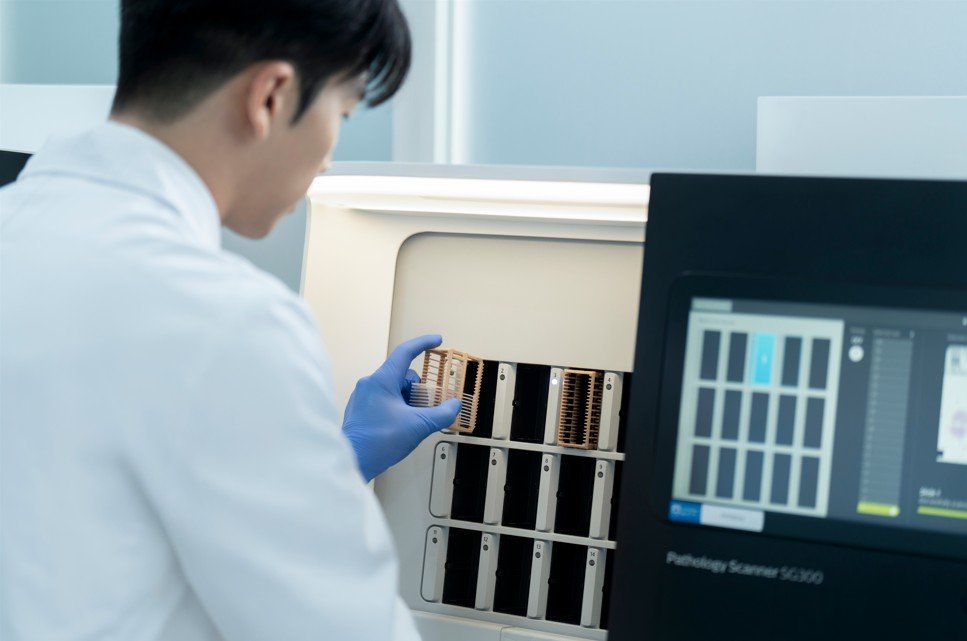

UN Faces Financial Crisis, Seeks AI Breakthrough with South Korea
Translated from Korean, summarized and contextualized by DistantNews.
TLDR
- The UN faces unprecedented financial and political crises, with the US, its largest contributor, failing to pay its 2025 dues, leading to a record high in member state arrears.
- The UN is implementing significant downsizing, cutting 2,681 positions and reducing staff by 18.8% in 2025, as global challenges like climate change and inequality demand a stronger UN role.
- Several UN agencies are exploring a partnership with South Korea to leverage its AI technology as a potential breakthrough, seeing AI as a tool for early warning systems, disease surveillance, and more resilient health systems.
The United Nations, a cornerstone of international cooperation, is grappling with a severe financial and political crisis, exacerbated by the potential return of Donald Trump to the US presidency. As the largest financial contributor, any disruption from the US, particularly its failure to pay its 2025 dues, sends shockwaves through the organization. This funding shortfall, reaching a record high of $1.568 billion in arrears from 193 member states by the end of 2025, necessitates drastic austerity measures, including significant staff reductions.
AI has the potential to enable early warning systems for extreme weather, improve disease surveillance, and create more resilient health systems.
Despite these formidable challenges, the UN is actively seeking innovative solutions. A promising avenue lies in collaboration with South Korea, specifically harnessing its advanced artificial intelligence capabilities. Agencies like the World Health Organization's Asia-Pacific Centre for Environment and Health (ACE) see AI as a critical tool for enhancing early warning systems for extreme weather, improving disease surveillance, and building more resilient health infrastructures. This partnership signifies a potential turning point, demonstrating the UN's adaptability in the face of adversity.
It allows for technology exchange and effective use of data. We can also engage more actively and responsibly with private partners.
This initiative is not merely about technological advancement; it's a strategic move to reaffirm the UN's relevance and capacity to deliver. As Sandro De Meyer, Director of ACE, noted, joint campuses would facilitate technology exchange and effective data utilization, fostering more responsible engagement with private partners. The involvement of International Organization for Migration (IOM) officials, like Lee Seong-ah, highlights the message that even amidst financial constraints, the UN system can adapt its working methods to minimize disruption and create shared value. This is crucial for maintaining international solidarity in an era of increasing self-interest.
Beyond technical cooperation, it sends a message that the UN system can adjust its working methods to minimize disruption and create shared value, even amidst financial constraints.
From a South Korean perspective, this collaboration offers a unique opportunity to elevate its standing in global affairs. By extending its AI expertise as an international public good, South Korea can position itself as a leader in the discourse on human-centered AI utilization. As Lee Seong-ah, the first Korean to hold a Deputy Assistant Secretary-General position at IOM, observed, Korean professionals working with AI in humanitarian response, migration, health, and labor markets can become key players in addressing global issues. This initiative underscores the potential for South Korea to not only contribute technologically but also to shape the future of international cooperation through innovation and strategic partnerships.
If Korean experts have opportunities to apply artificial intelligence in humanitarian response, migration, food security, health, and labor markets, Korean talent can become key players in global issues.
DistantNews Editorial
Originally published by Hankyoreh in Korean. Translated, summarized, and contextualized by our editorial team with added local perspective. Read our editorial standards.
More Stories

From Our Blog

What Gets Lost (and Found) When News Is Translated

The Critical Role of Diaspora Media in Global News

What Travellers Should Know About Countries with Restricted Press

A Digital Nomad's Guide to Following Local News

How the Same Story Looks Different in Different Countries
