


UN Women estimates 43,000 women and girls in Nepal need urgent flood assistance
Summarized by DistantNews. Read the original for the full story.
At a glance
News
Named sources
Ongoing story
- UN Women estimates that 43,000 women and girls urgently need humanitarian assistance after Nepal’s Aug. 26 flash floods, while 157,050 in Rasuwa and Nuwakot were directly or indirectly affected.
- Survivors have identified food and safe water as their most urgent needs, with damaged infrastructure disrupting access and increasing protection risks.
- The agency warned that poverty, disability, pregnancy, illiteracy and female-headed households could make it harder for women and girls to obtain relief and protection.
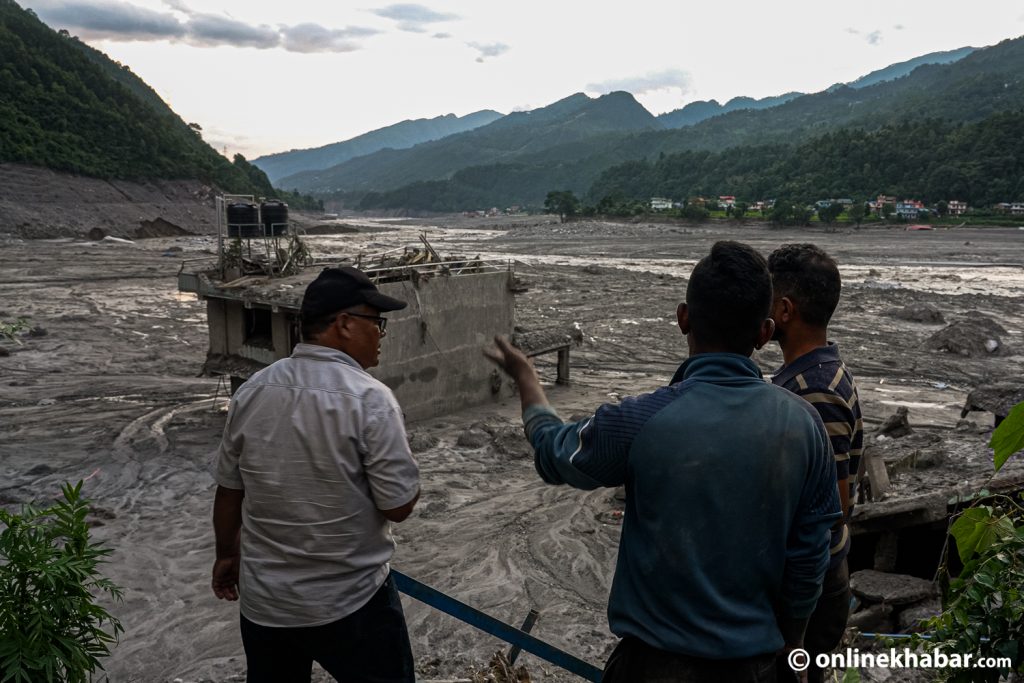
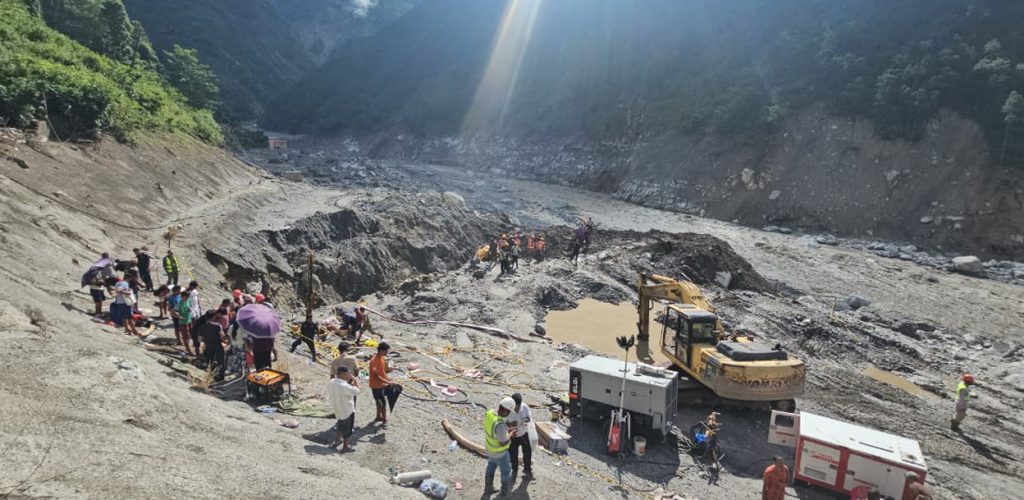
For thousands of women and girls in Nepal’s flood-hit communities, the immediate emergency is food, water and protection. UN Women estimates that 43,000 urgently need humanitarian assistance after flash floods swept through parts of the country on Aug. 26.
The agency said the floods have hit women and girls disproportionately, especially those already facing poverty, disability, pregnancy, limited access to information or a lack of resources. One women-led organisation told UN Women that pregnant women, lactating women and people with disabilities had been unable to reach higher ground. “Pregnant women, lactating women, people with disabilities, the people we would normally support, are gone, washed away, because they could not run to higher ground,” the organisation said.
An estimated 157,050 women and girls in Rasuwa and Nuwakot have been directly or indirectly affected. Women in the worst-hit communities listed food as their most urgent need. Destruction of roads, bridges and water systems has severely disrupted access to safe water. In Rasuwa, where women already spent hours collecting water for their families, the damage has made that burden even harder.
Pregnant women, lactating women, people with disabilities, the people we would normally support, are gone, washed away, because they could not run to higher ground.
UN Women warned that the crisis could deepen existing inequalities. Before the floods, women in Nepal were more likely than men to eat less and eat last in their households, with particular health risks for pregnant and breastfeeding women. The disaster has also increased risks of gender-based violence, exploitation and trafficking, while damaged communications and infrastructure have restricted access to help.
About one in three women across Rasuwa, Nuwakot, Dhading, Gorkha and Chitwan is illiterate, potentially making relief information and registration procedures harder to navigate. The lack of separate, well-lit and private sanitation facilities creates additional risks. Female-headed households may also have fewer resources and support networks, especially as male out-migration remains common and remittances face pressure. UN Women said relief and recovery assistance must be accessible to women independently.
This is what happens when a disaster meets inequality: the people already left behind are often the first to be swept away.
About this summary
Originally published by Kathmandu Post. Summarized and contextualized automatically by DistantNews, with a note on how the source frames the story. Not individually reviewed before publishing. How this works.
More Stories

From Our Blog

What Gets Lost (and Found) When News Is Translated

The Critical Role of Diaspora Media in Global News

What Travellers Should Know About Countries with Restricted Press

A Digital Nomad's Guide to Following Local News

How the Same Story Looks Different in Different Countries
