


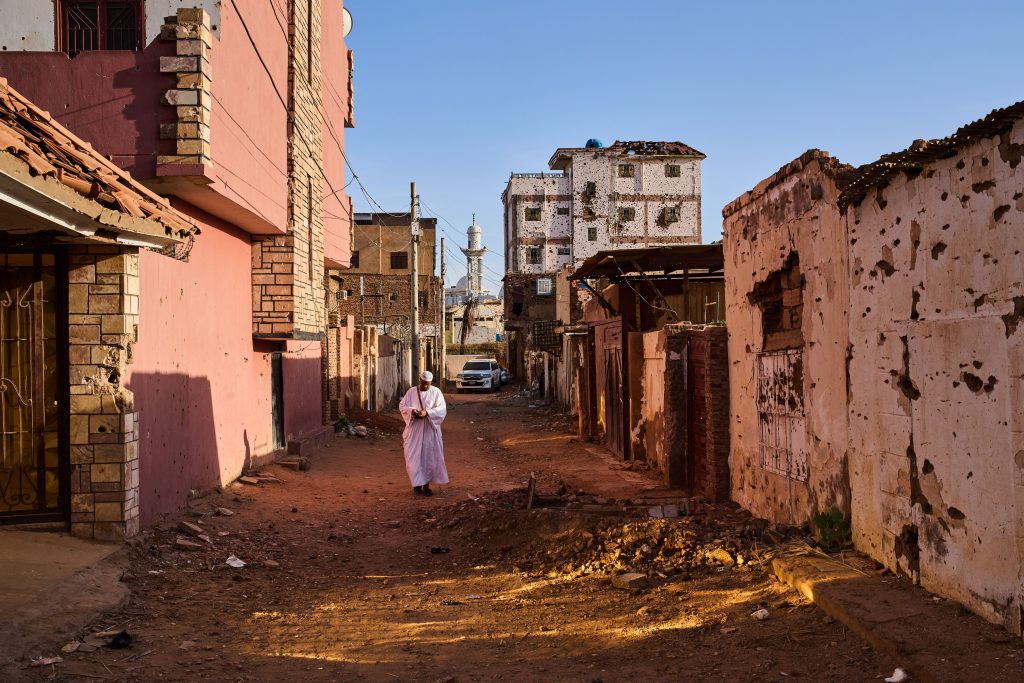
Under a deluge of drones, Sudanese city El Obeid fears new massacre
Translated from French, summarized and contextualized by DistantNews.
At a glance
News
Named sources
Ongoing story
- The Sudanese city of El Obeid is experiencing an unprecedented intensity of drone attacks, raising fears of a massacre similar to El Fasher.
- Attacks in June targeted civilian infrastructure, including schools and fuel stations, resulting in numerous casualties among civilians and students.
- The UN High Commissioner for Human Rights has issued a "red alert," warning of an impending human rights catastrophe in El Obeid.
The Sudanese city of El Obeid is under a "rain of drones," with daily strikes on schools, fuel stations, and the main power grid, fueling fears of a repeat of the El Fasher massacre. The United Nations has declared a "red alert" for the international community, signaling a dire humanitarian situation.
Seeing 40 or 45 drones is now the norm.
Humanitarian volunteer Fatima, whose name has been changed for safety, reports that drone attacks on the besieged city have become increasingly violent. She noted that seeing 40 to 45 drones has become commonplace, with the past weekend's strikes being the most intense recorded. These attacks have hit schools and fuel stations, killing more than twenty people, including students.
Data from the UN Human Rights Office indicates at least forty-five people were killed and forty-one injured in fifteen drone strikes in and around El Obeid between June 6 and June 28. The conflict monitoring group Acled recorded a record twenty-seven drone strikes in June near El Obeid, the highest monthly total since the conflict began in 2023, according to researcher Nohad Eltayeb. El Obeid, a strategic city of approximately 500,000 inhabitants, is a key battleground between the Sudanese Armed Forces (SAF) and the rival paramilitary Rapid Support Forces (RSF).
The signs coming from El Obeid are clear and unequivocal: a new human rights catastrophe is unfolding in Sudan.
Volker Türk, the UN High Commissioner for Human Rights, addressed delegates at an emergency debate at the Human Rights Council, stating, "The signs coming from El Obeid are clear and unequivocal: a new human rights catastrophe is unfolding in Sudan." He emphasized that this was not an exercise but a critical alert for global leaders. The repeated strikes have damaged at least sixteen civilian and service infrastructures, including hospitals, schools, power plants, and fuel depots, with reports suggesting that the siege has driven food prices up by as much as 300 percent. The city also hosts an SAF infantry division and an air base, in addition to around 100,000 displaced people fleeing violence, many from El Fasher.
This is not an exercise but an alert that should land on the desks of heads of state and government worldwide.
DistantNews Editorial
Originally published by El Watan in French. Translated, summarized, and contextualized by our editorial team with added local perspective. Read our editorial standards.
More Stories



From Our Blog

What Gets Lost (and Found) When News Is Translated

The Critical Role of Diaspora Media in Global News

What Travellers Should Know About Countries with Restricted Press

A Digital Nomad's Guide to Following Local News

How the Same Story Looks Different in Different Countries
