


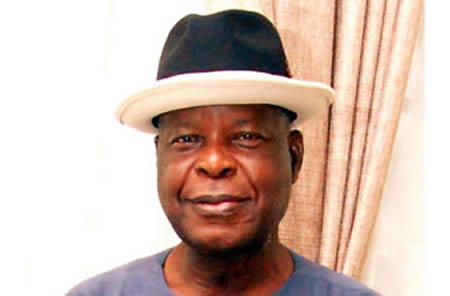
Underfunded police responsible for rising insecurity in Nigeria — Ex-IGP Okiro
Summarized and contextualized by DistantNews.
At a glance
News
Named sources
Context piece
- Former Inspector General of Police, Sunday Okiro, attributes Nigeria's rising insecurity to police underfunding.
- Okiro stated that the police lack sufficient manpower and equipment.
- He argues that the federal government's broad responsibilities and neglect of the police have led to the current security challenges.
Nigeria's escalating insecurity is a direct consequence of the police force's chronic underfunding, according to former Inspector General of Police Sunday Okiro. He asserted that the Nigeria Police Force is hampered by inadequate resources, including insufficient personnel and outdated equipment.
Okiro explained that the federal government shoulders numerous responsibilities, and the police force, despite its critical role, has not received the necessary financial backing. "The police are not well-funded. They don't have enough manpower and equipment," he stated, directly linking the current security situation to this neglect.
The police are not well-funded. They don't have enough manpower and equipment.
"What we are seeing today is the result of the neglect of the police," Okiro added. His comments, reported by Vanguard News, suggest a systemic issue where a lack of investment in law enforcement has created a vacuum, contributing to the widespread insecurity across the country.
The federal government has so many responsibilities, and the police are just one of them. What we are seeing today is the result of the neglect of the police.
DistantNews Editorial
Originally published by Vanguard. Summarized and contextualized by our editorial team with added local perspective. Read our editorial standards.
More Stories


From Our Blog

How the Same Story Looks Different in Different Countries

What Gets Lost (and Found) When News Is Translated

The Critical Role of Diaspora Media in Global News

What Travellers Should Know About Countries with Restricted Press

A Digital Nomad's Guide to Following Local News
