


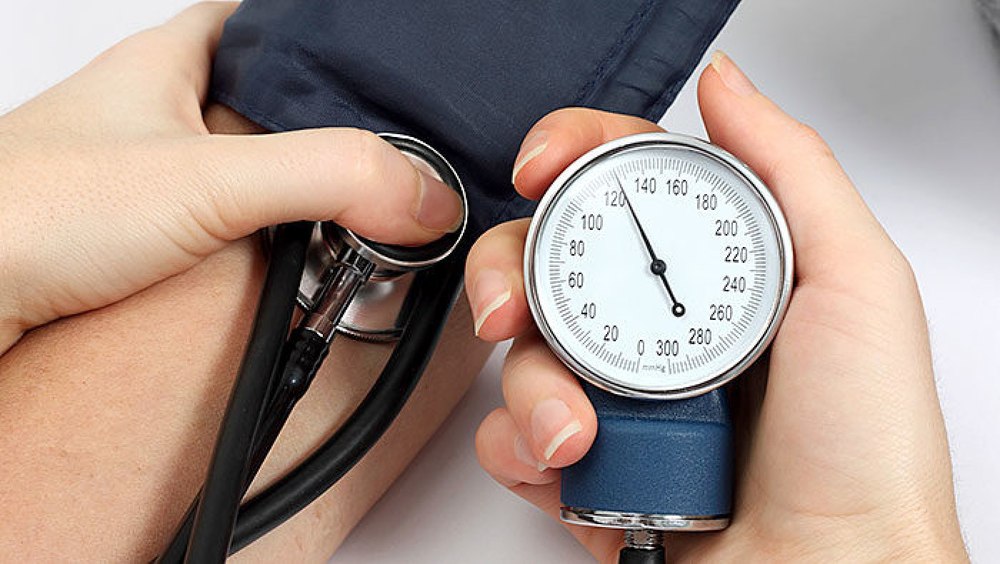
Understanding normal blood pressure by age and why it rises with seniors
Translated from Romanian, summarized and contextualized by DistantNews.
At a glance
Explainer
Sources not specified
Context piece
- Blood pressure naturally increases with age due to changes in blood vessels and heart function.
- While higher blood pressure in seniors is often normal, it requires monitoring to prevent complications like heart attack or stroke.
- Medical guidelines define hypertension as 130/80 mmHg or higher, with normal ranges varying by age group.
Blood pressure naturally fluctuates throughout life, often showing a gradual increase as individuals age. This change is primarily attributed to the natural stiffening of blood vessels and the increased effort the heart must exert to pump blood effectively.
While elevated blood pressure in older adults is not always indicative of illness, it does raise the risk of serious health issues such as heart attacks and strokes. Conversely, blood pressure that is too low, typically below 90/60 mmHg, can lead to hypotension, especially if accompanied by symptoms like dizziness or weakness.
For most adults, a blood pressure reading below 120/80 mmHg is considered normal. However, specific ranges vary by age. For instance, adults aged 20-35 typically have readings around 110-116/70-73 mmHg, while those aged 56-65 may see readings around 130-133/77-79 mmHg. After age 65, systolic pressure, in particular, can continue to rise.
Medical professionals define high blood pressure, or hypertension, as a reading of 130/80 mmHg or higher. The increasing rigidity of arteries with age is a key factor, making them less flexible and increasing pressure. Additionally, declining estrogen levels after menopause can affect blood vessel elasticity, contributing to higher blood pressure.
DistantNews Editorial
Originally published by Adevărul in Romanian. Translated, summarized, and contextualized by our editorial team with added local perspective. Read our editorial standards.
More Stories


From Our Blog

What Gets Lost (and Found) When News Is Translated

The Critical Role of Diaspora Media in Global News

What Travellers Should Know About Countries with Restricted Press

A Digital Nomad's Guide to Following Local News

How the Same Story Looks Different in Different Countries
