

UNESCO inspects Cameroon's Nkolfolou Multimedia Center to boost digital inclusion
Translated from French, summarized and contextualized by DistantNews.
At a glance
News
Sources not specified
New plan
- A UNESCO delegation visited the Nkolfolou Multimedia Center in Cameroon to assess its readiness and define actions for full operationalization.
- The visit, part of a national strategy for technology access and youth training, aims to leverage digital tools for development.
- Recommendations include modernizing equipment, strengthening online communication, and expanding training accessibility for diverse groups.
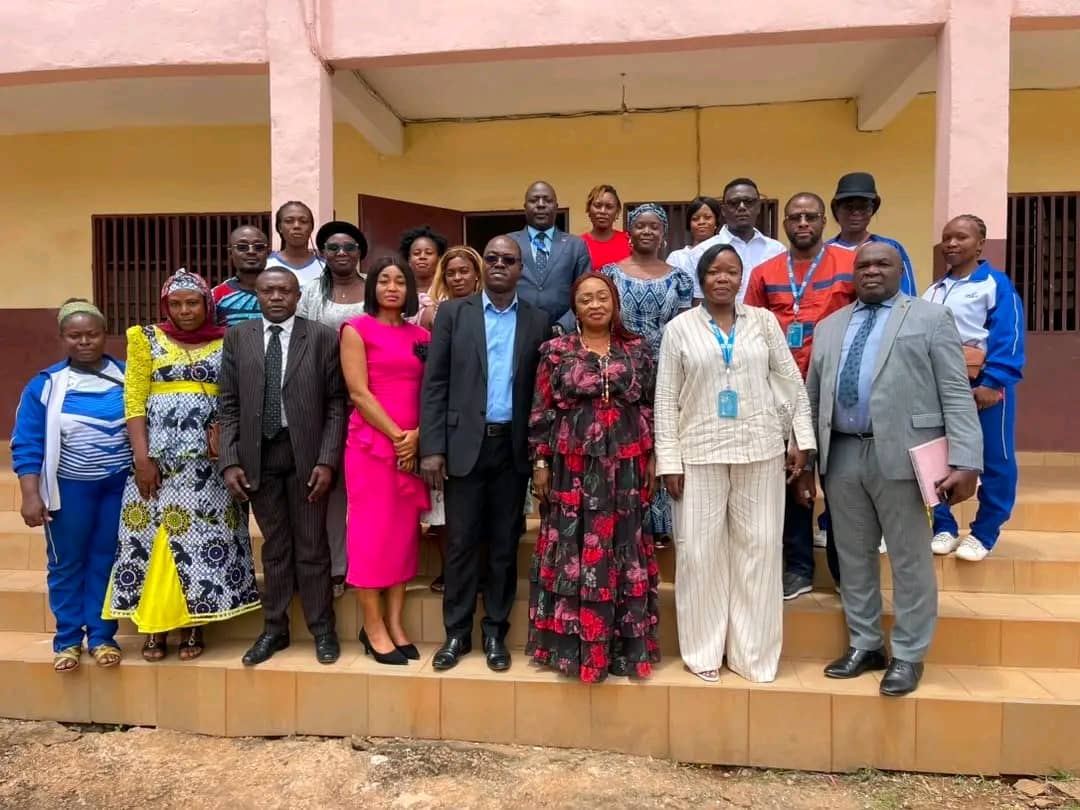
A UNESCO delegation, accompanied by an envoy from the Social Vaccine initiative of Madame Chantal Biya, visited the Nkolfolou Multimedia Center in Yaoundé on August 11, 2026. The visit aimed to evaluate the center's equipment and finalize steps for its complete operationalization.
This initiative is part of Cameroon's national strategy to enhance access to technology and provide training for young people, recognizing digital tools as a key driver for development. The Nkolfolou center is one of several multimedia centers established nationwide under the Social Vaccine Program, which promotes quality education, digital learning, research, and social inclusion.
During the inspection, the delegation reviewed the existing equipment, assessed the progress of ongoing work, and identified remaining needs. A videoconference also connected the center with other facilities across the country. These centers are designed to offer computer training, support online learning and research, and equip teachers, students, and youth with essential digital skills.
This program supports the Government's efforts to improve access to quality education and modern technologies.
UNESCO national coordinator Rose Mbah Jaji emphasized that the program supports the government's efforts to improve access to quality education and modern technologies. Following the inspection, UNESCO proposed recommendations such as modernizing some computer hardware for advanced learning while retaining existing equipment for basic training. They also suggested strengthening digital communication to boost international visibility and broadening training to include youth and adults, ensuring accessibility for people with disabilities and the long-term sustainability of the centers.
Both UNESCO and the Social Vaccine team reaffirmed their commitment to collaborating on digital inclusion, innovation, and community development. They expressed confidence that these multimedia centers will play a crucial role in expanding technology access and fostering lifelong learning throughout Cameroon.
We will not withdraw from this security zone.
DistantNews Editorial
Originally published by Journal du Cameroun in French. Translated, summarized, and contextualized by our editorial team with added local perspective. Read our editorial standards.
More Stories

From Our Blog

What Gets Lost (and Found) When News Is Translated

The Critical Role of Diaspora Media in Global News

What Travellers Should Know About Countries with Restricted Press

A Digital Nomad's Guide to Following Local News

How the Same Story Looks Different in Different Countries
