


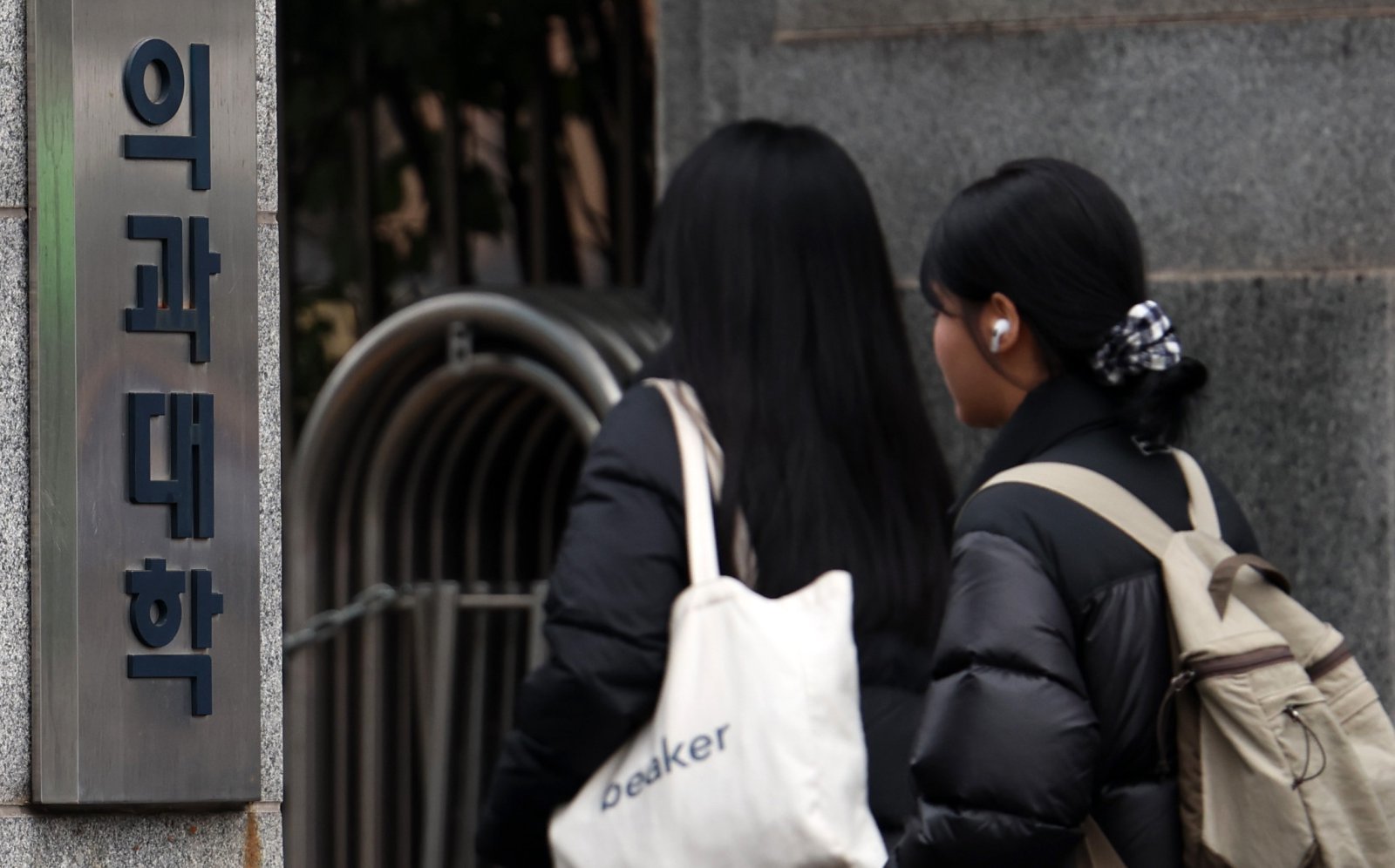
Unfilled medical school spots recognized as 'reserved enrollment' to resolve evaluation disadvantages
Translated from Korean, summarized and contextualized by DistantNews.
At a glance
News
Named sources
Context piece
- South Korea's medical schools can now 'reserve' unfilled spots for the 2025 and 2026 academic years.
- This measure aims to mitigate potential disadvantages for universities due to lower enrollment numbers.
- The decision follows a government plan to significantly increase medical school admissions.
South Korean medical schools will be allowed to designate unfilled admission slots as 'reserved enrollment' for the 2025 and 2026 academic years. This new regulation aims to prevent universities from facing penalties or disadvantages related to evaluation metrics if they cannot fill their quotas.
The Ministry of Education recently revised the 'Guidelines for the Operation of Enrollment Reservation System.' This revision permits medical and graduate medical schools, after consulting with the government, to recognize students not admitted as 'reserved enrollment' for the two academic years. This measure is intended to address potential negative impacts on university evaluations.
The background for this decision lies in the government's plan, announced in February 2024, to increase medical school admissions by 10,000 students over five years, starting in 2025. This projected shortage of 15,000 doctors by 2035 prompted the significant expansion. However, the sudden, large-scale increase triggered widespread student protests and a severe conflict between medical professionals and the government.
DistantNews Editorial
Originally published by Dong-A Ilbo in Korean. Translated, summarized, and contextualized by our editorial team with added local perspective. Read our editorial standards.
More Stories


From Our Blog

What Gets Lost (and Found) When News Is Translated

The Critical Role of Diaspora Media in Global News

What Travellers Should Know About Countries with Restricted Press

A Digital Nomad's Guide to Following Local News

How the Same Story Looks Different in Different Countries
