


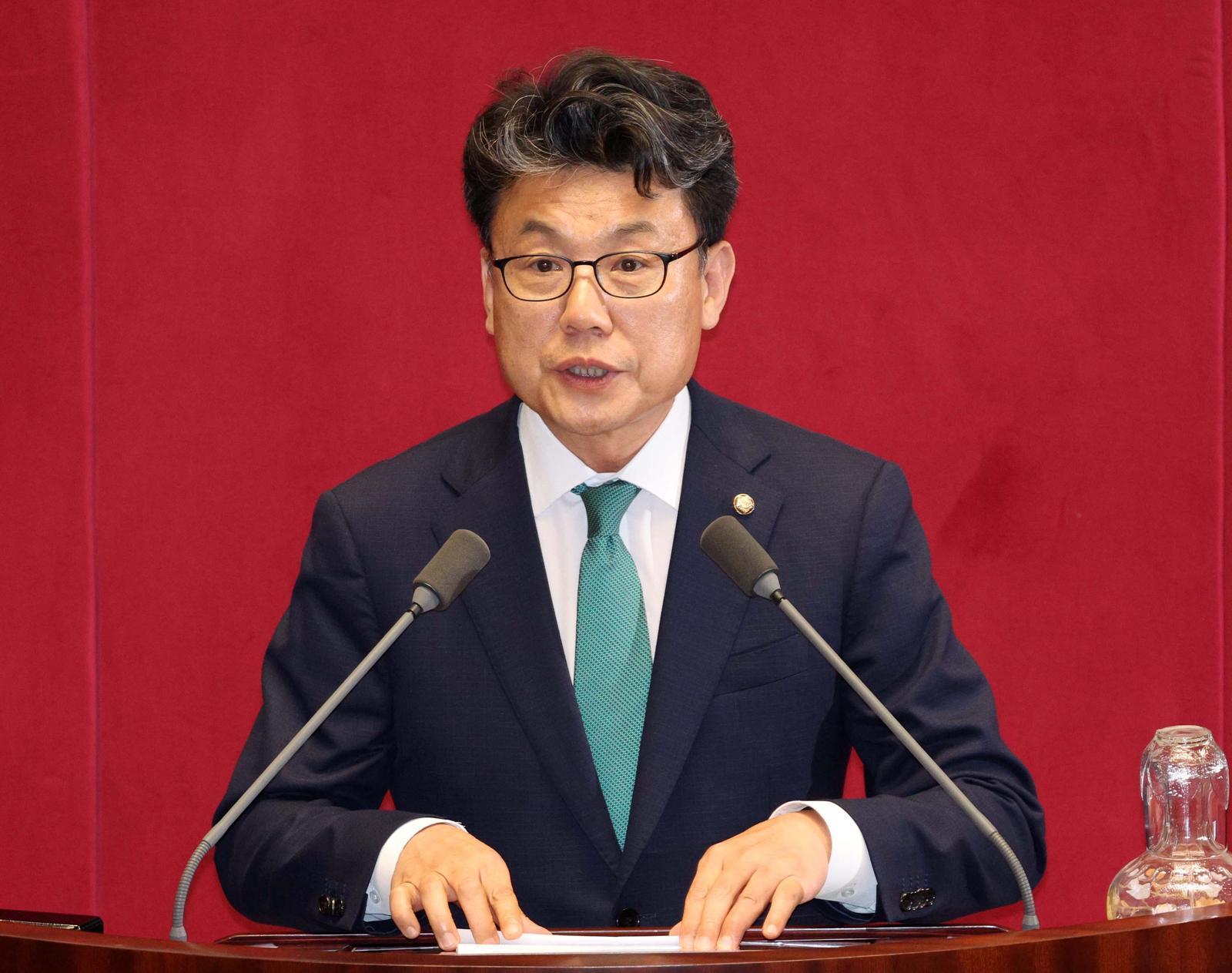
Unified Military Academy Legislation Planned by Year-End, Sparks Political Debate
Translated from Korean, summarized and contextualized by DistantNews.
At a glance
News
Sources not specified
New plan
- South Korea's National Assembly member Jin Seong-joon plans to legislate the establishment of a unified military academy by year-end.
- The proposed academy would consolidate the existing Army, Navy, and Air Force academies into a single institution.
- The plan aims for the unified academy to begin its academic year in March 2028, following the legislative process.
South Korea is moving towards consolidating its military education system with plans to establish a unified military academy. Jin Seong-joon, a member of the Democratic Party and chairman of the National Defense Committee, announced that legislation for the new institution is slated for introduction by the end of the year.
The proposed National Military Academy would integrate the current separate academies for the Army, Navy, and Air Force. Under the plan, students would undergo a two-year common curriculum before specializing in their respective branches for the remaining two years of their four-year program. This "2+2" model aims to foster a more cohesive military education and a stronger sense of national unity among future officers.
The party and the government plan to legislate it by the end of this year.
This initiative follows a recent announcement by Defense Minister Ahn Kyu-baek regarding the push for a unified military academy. The Democratic Party has expressed its commitment to passing the necessary legislation within the current year, with the ambitious goal of commencing academic operations in March 2028. This timeline suggests a determined effort to streamline military training and development.
However, the proposal has drawn criticism from the ruling People Power Party, which has labeled the plan as an act of "arrogance and 독선 (dogseon - self-righteousness/hubris)" by the opposition. Despite the political friction, the proponents of the unified academy believe it will enhance efficiency and strengthen the overall capabilities of the South Korean military by creating a more standardized and integrated training environment from the outset.
If we wanted to retaliate against the Army Academy, we would have just split it.
DistantNews Editorial
Originally published by Dong-A Ilbo in Korean. Translated, summarized, and contextualized by our editorial team with added local perspective. Read our editorial standards.
More Stories

From Our Blog

What Gets Lost (and Found) When News Is Translated

The Critical Role of Diaspora Media in Global News

What Travellers Should Know About Countries with Restricted Press

A Digital Nomad's Guide to Following Local News

How the Same Story Looks Different in Different Countries
