

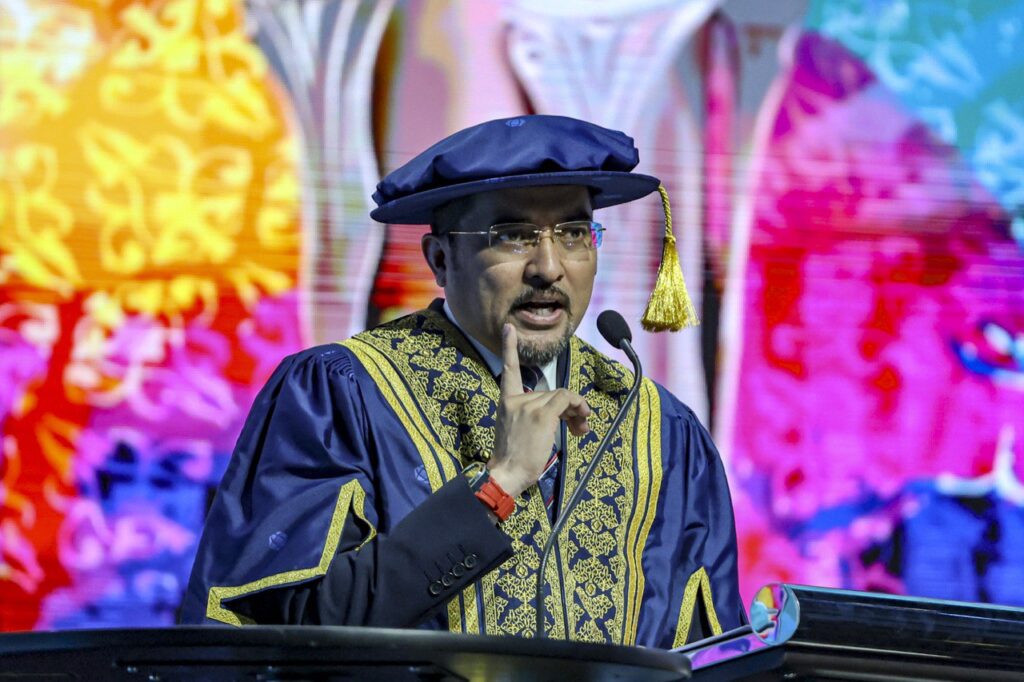
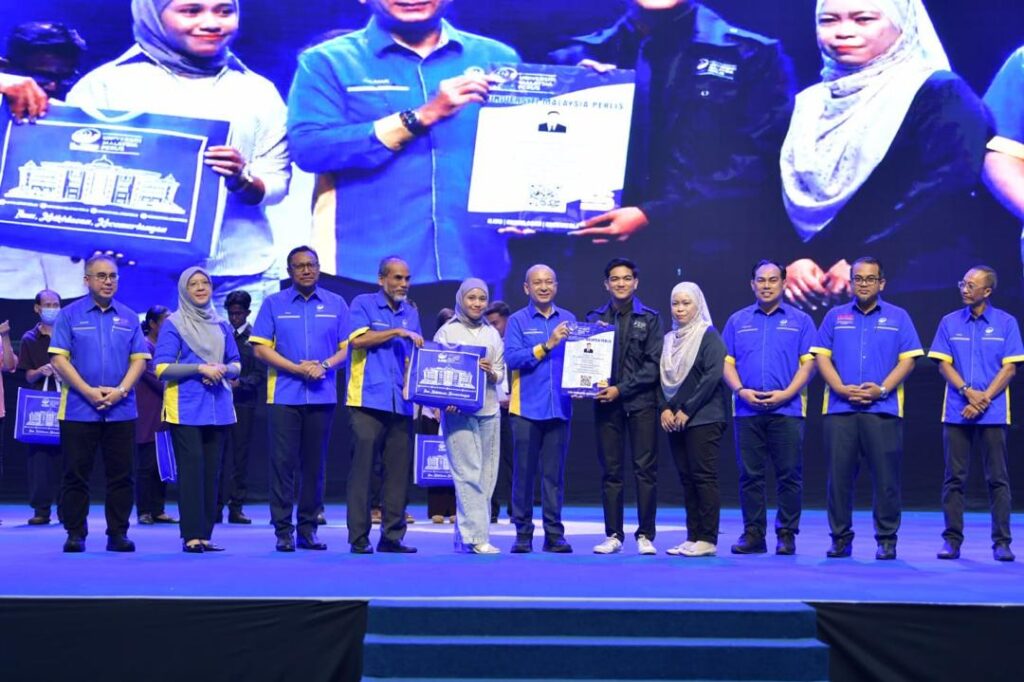
Unimap welcomes nearly 2,000 new diploma students, prioritizing access for B40 families
Translated from Malay, summarized and contextualized by DistantNews.
At a glance
News
From a news agency
New plan
- Universiti Malaysia Perlis (Unimap) welcomed nearly 2,000 new diploma students for the 2026/2027 academic session.
- A significant portion, 649 students, come from B40 low-income families, reflecting Unimap's commitment to accessible higher education.
- Unimap emphasizes education as a tool to break the cycle of poverty and provides various support initiatives for students.
Universiti Malaysia Perlis (Unimap) has enrolled nearly 2,000 new diploma students for the 2026/2027 academic session, marking a significant intake for the university. Among the new cohort, 649 students are from B40 families, highlighting Unimap's ongoing dedication to providing quality higher education access to individuals from all socioeconomic backgrounds.
Unimap Vice-Chancellor Datuk Dr. Zaliman Sauli stated that the enrollment of these new students demonstrates the community's confidence in Unimap's role as a technical university. He emphasized that the institution not only offers quality education but also serves as a platform for social mobility, capable of transforming the lives of students and their families.
Dr. Zaliman reiterated Unimap's commitment to ensuring that no student is denied higher education due to financial constraints. The university provides comprehensive support, including financial aid, welfare services, accommodation, and student development programs. These initiatives aim to help students adapt to campus life and achieve academic success.
"We believe education is the best instrument to break the cycle of poverty," Dr. Zaliman said. He added that Unimap will continue to strengthen its various initiatives to assist students from low-income families, enabling them to focus entirely on their studies and personal development.
DistantNews Editorial
Originally published by Utusan Malaysia in Malay. Translated, summarized, and contextualized by our editorial team with added local perspective. Read our editorial standards.
More Stories

From Our Blog

What Gets Lost (and Found) When News Is Translated

The Critical Role of Diaspora Media in Global News

What Travellers Should Know About Countries with Restricted Press

A Digital Nomad's Guide to Following Local News

How the Same Story Looks Different in Different Countries
