


Universities Crucial for National Defense Strategy Success
Translated from Malay, summarized and contextualized by DistantNews.
At a glance
Analysis
Sources not specified
Context piece
- Malaysia is refining its national defense strategy to ensure sovereignty amid geopolitical uncertainties and technological advancements like generative AI.
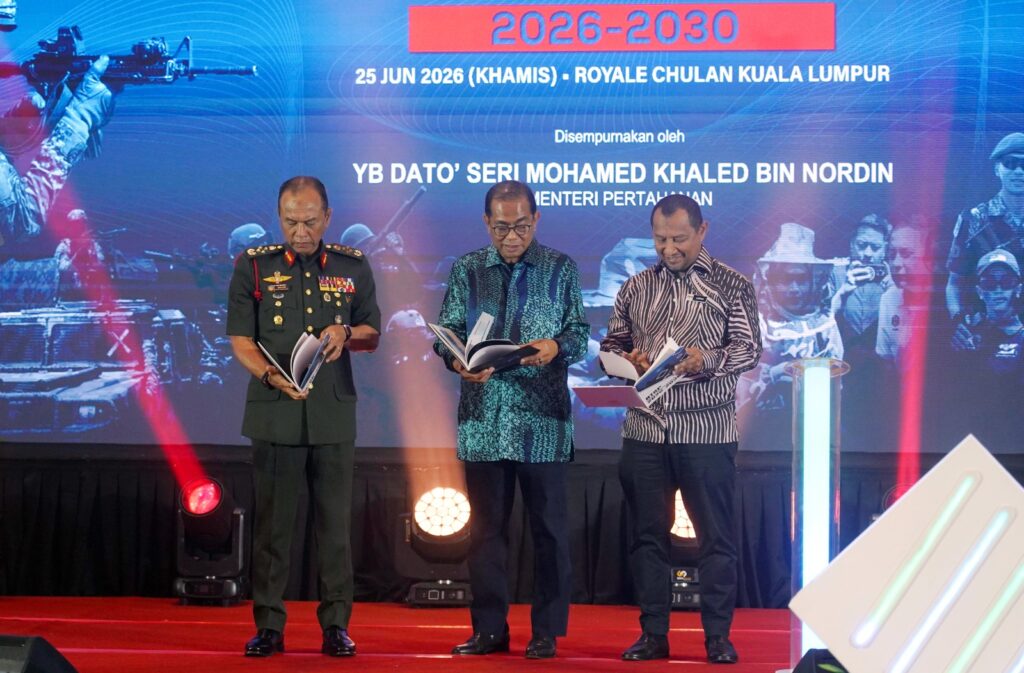
- The National Defense Strategic Plan (PSPN) 2026-2030 focuses on science, technology, innovation, and defense industry development to reduce reliance on foreign military technology.
- Universities like Universiti Pertahanan Nasional Malaysia (UPNM) play a crucial role in research, development, and human capital for national defense, aligning with UPNM's own strategic plan.
Malaysia is proactively strengthening its national defense and sovereignty in response to global geopolitical shifts and the rise of future technologies like generative AI. The Ministry of Defense has launched the National Defense Strategic Plan (PSPN) 2026-2030, a five-year roadmap building on the Defense White Paper and national development plans. This strategy emphasizes a "Whole-of-Nation" approach, involving the military, government, industry, academia, and the public.
The world today is facing a new era that is far more complex and full of uncertainty, based on future technology including generative artificial intelligence (Gen-AI).
A key focus of the PSPN 2026-2030, specifically under Thrust 5, is the development of the defense science, technology, innovation, and industry. The goal is to achieve self-sufficiency in defense technology, reducing Malaysia's dependence on foreign military equipment. This requires a robust research and development ecosystem and strong collaboration between researchers and industry.
Universiti Pertahanan Nasional Malaysia (UPNM) is central to this effort, contributing through research, academic programs, and defense human capital development. UPNM aims to generate innovative ideas and develop technology prototypes for military use and commercialization. This initiative aligns with UPNM's own strategic plan, UPNM30 (2025-2030), which is guided by the H.E.L.A.N.G philosophy. The PSPN is further supported by the National Defense Industry Policy (DIPN) Action Plan 2026-2030 and improvements to technology transfer policies.
The Whole-of-Nation approach is the backbone of PSPN, involving shared responsibility between the Armed Forces, government, industry, academia, and the public.
To counter future threats, Malaysia must enhance its capabilities in cyber defense, drones, satellites, and AI analytics. The article highlights the urgency of these advancements, particularly in light of cyberattacks on critical infrastructure, underscoring the need for a comprehensive and technologically advanced defense strategy.
This thrust aims to free Malaysia from dependence on foreign military technology and develop competitive indigenous capabilities.
DistantNews Editorial
Originally published by Utusan Malaysia in Malay. Translated, summarized, and contextualized by our editorial team with added local perspective. Read our editorial standards.
More Stories


From Our Blog

What Gets Lost (and Found) When News Is Translated

The Critical Role of Diaspora Media in Global News

What Travellers Should Know About Countries with Restricted Press

A Digital Nomad's Guide to Following Local News

How the Same Story Looks Different in Different Countries
