

Unmasking stability
Summarized and contextualized by DistantNews.
At a glance
Analysis
Sources not specified
Context piece
- Pakistan's external sector remains fragile despite recent macroeconomic stabilization, with a widening food trade gap, a return to a current account deficit, and shifting fuel pricing policies.
- The current account deficit was masked by record remittances from expatriates, while exports stagnated and imports remained high, particularly for food and energy.
- Sustainable stability requires export competitiveness, agricultural productivity, indigenous energy, and policy consistency, as current measures only buy time without building resilience.
Pakistan's economy faces persistent fragility in its external sector, a situation underscored by recent reports detailing a widening food trade gap, a return to a current account deficit, and the government's pivot to daily fuel pricing amidst renewed Gulf tensions. Despite a seemingly reassuring headline current account deficit of $139 million for FY26, the underlying composition reveals a precarious reliance on expatriate remittances, which reached $41.6 billion.
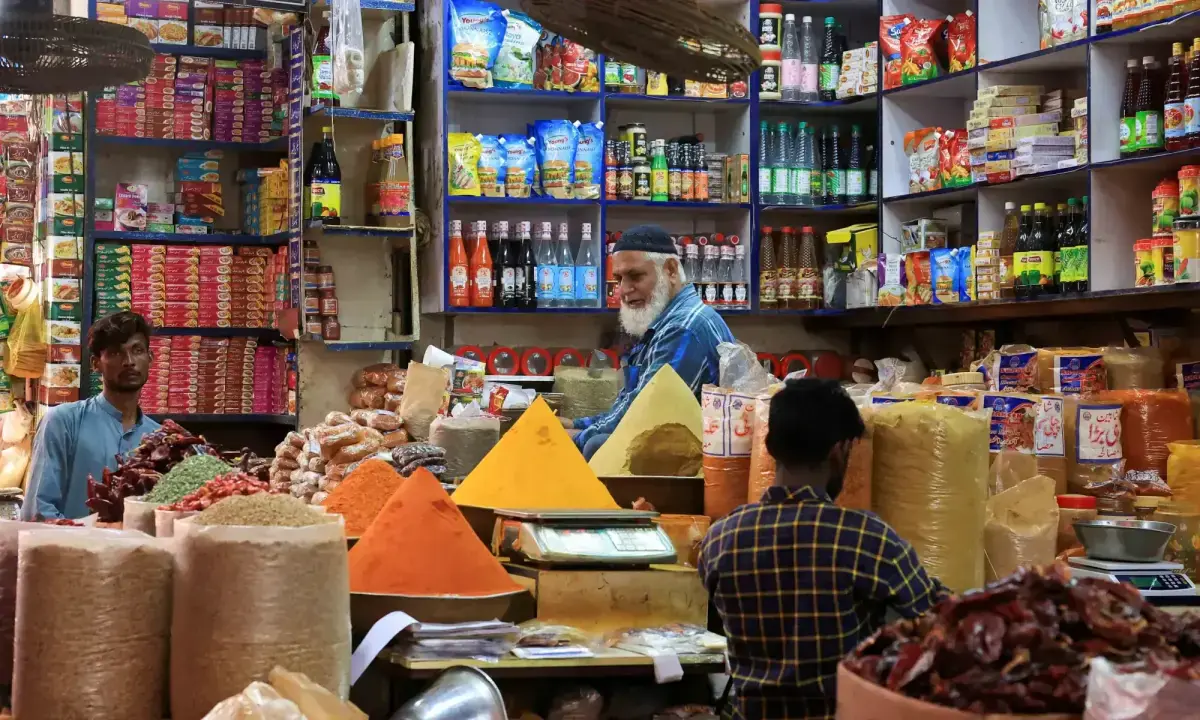
Without these crucial inflows, Pakistan's external account would have shown a sharp deterioration. Exports have largely stagnated, with goods exports declining and modest gains in services exports failing to offset losses. Meanwhile, imports have remained elevated, resulting in a merchandise trade deficit exceeding $35 billion. The agricultural sector's performance is particularly concerning, with food imports rising by nearly 12% to over $9 billion while raw food exports plummeted by almost 30%. This includes a sharp fall in rice exports and a collapse in vegetable exports, partly due to disrupted trade with Afghanistan.
The nation was also compelled to import significant quantities of sugar shortly after exporting it, and edible oil imports continued to climb. These figures expose structural weaknesses in agricultural planning, export diversification, and food security. They also highlight the consequences of inconsistent policies that swing between encouraging and discouraging the export and import of the same commodities, often influenced by powerful business lobbies.
Adding to these challenges, increased tensions in the Gulf are exacerbating Pakistan's energy import dependency, as it relies on imports for roughly three-quarters of its energy needs. Higher oil prices inflate the import bill, fuel inflation, and strain foreign exchange reserves. The government's shift to daily fuel pricing aims to improve transparency and reflect market movements, though its effectiveness hinges on regulatory oversight. While the government acknowledges the need for energy transition, consistent incentives and investment certainty are crucial, rather than policy reversals.
The overarching lesson is that while macroeconomic stabilization has provided breathing room, it has not built resilience. Record remittances and administrative crisis management can only mitigate vulnerabilities to external shocks, which continue to expose the same underlying weaknesses. Achieving sustainable external stability necessitates a growth model centered on export competitiveness, enhanced agricultural productivity, the development of indigenous energy sources, and unwavering policy consistency.
DistantNews Editorial
Originally published by Dawn. Summarized and contextualized by our editorial team with added local perspective. Read our editorial standards.
More Stories


From Our Blog

What Gets Lost (and Found) When News Is Translated

The Critical Role of Diaspora Media in Global News

What Travellers Should Know About Countries with Restricted Press

A Digital Nomad's Guide to Following Local News

How the Same Story Looks Different in Different Countries
