

In Pakistan, medicine availability masks an affordability crisis for the poor
Translated from English, summarized and contextualized by DistantNews.
At a glance
News
Sources not specified
Context piece
- Patients in Pakistan are struggling to afford essential medicines despite increased availability following price deregulation.
- The government deregulated prices for non-essential medicines in February 2024, leading to price surges that outpace household budgets.
- While manufacturers claim the change stabilized the sector and restored availability, the cost increase places a significant burden on individuals, especially daily wage earners.
At pharmacies across Pakistan, the reality of poverty is starkly visible in returned medicine boxes and unfinished treatments. Abdul Rauf, a 52-year-old daily wager, clutches a prescription for back pain and high blood pressure, but can only afford two of the four prescribed items, lamenting, "What is the point of medicines being available if I cannot afford them?"
What is the point of medicines being available if I cannot afford them?
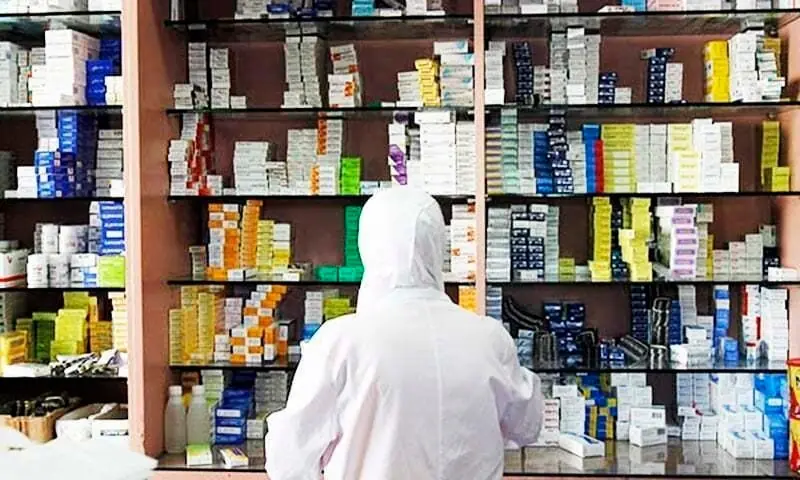
Pharmacy shelves, once bare, are now stocked with a wide range of medicines, from insulin to cancer treatments. This availability is attributed to the government's February 2024 decision to deregulate prices of non-essential medicines. Previously, pharmaceutical companies operated under state-imposed price caps, which often kept prices below production costs, leading to shortages, black markets, and counterfeit drugs. While over 460 essential medicines remain under government control, the rest of the market is now open to independent pricing.
Manufacturers argue that this deregulation has stabilized the pharmaceutical sector and improved availability, with provincial drug regulators confirming a decline in shortages and counterfeit drugs. However, for the average Pakistani household, this relief is bittersweet. Medicine prices have increased, and although these hikes may be lower than inflation in other sectors, the out-of-pocket nature of healthcare expenses means even modest increases are burdensome.
We are middle-class, yet we struggle to pay for the medicines needed on a monthly basis due to fluctuating prices
Fatima Javed, a homemaker, describes the monthly struggle to budget Rs8,000 for her father's insulin and her daughter's asthma inhalers, calling it an "impossible balancing act." She emphasizes, "These medicines are not luxuries but essential for us." For daily wage earners like Abdul Rauf, however, essential medicines are becoming increasingly out of reach, highlighting a critical affordability crisis despite improved supply.
These medicines are not luxuries but essential for us
DistantNews Editorial
Originally published by Dawn in English. Translated, summarized, and contextualized by our editorial team with added local perspective. Read our editorial standards.
More Stories
From Our Blog

What Gets Lost (and Found) When News Is Translated

The Critical Role of Diaspora Media in Global News

What Travellers Should Know About Countries with Restricted Press

A Digital Nomad's Guide to Following Local News

How the Same Story Looks Different in Different Countries
