


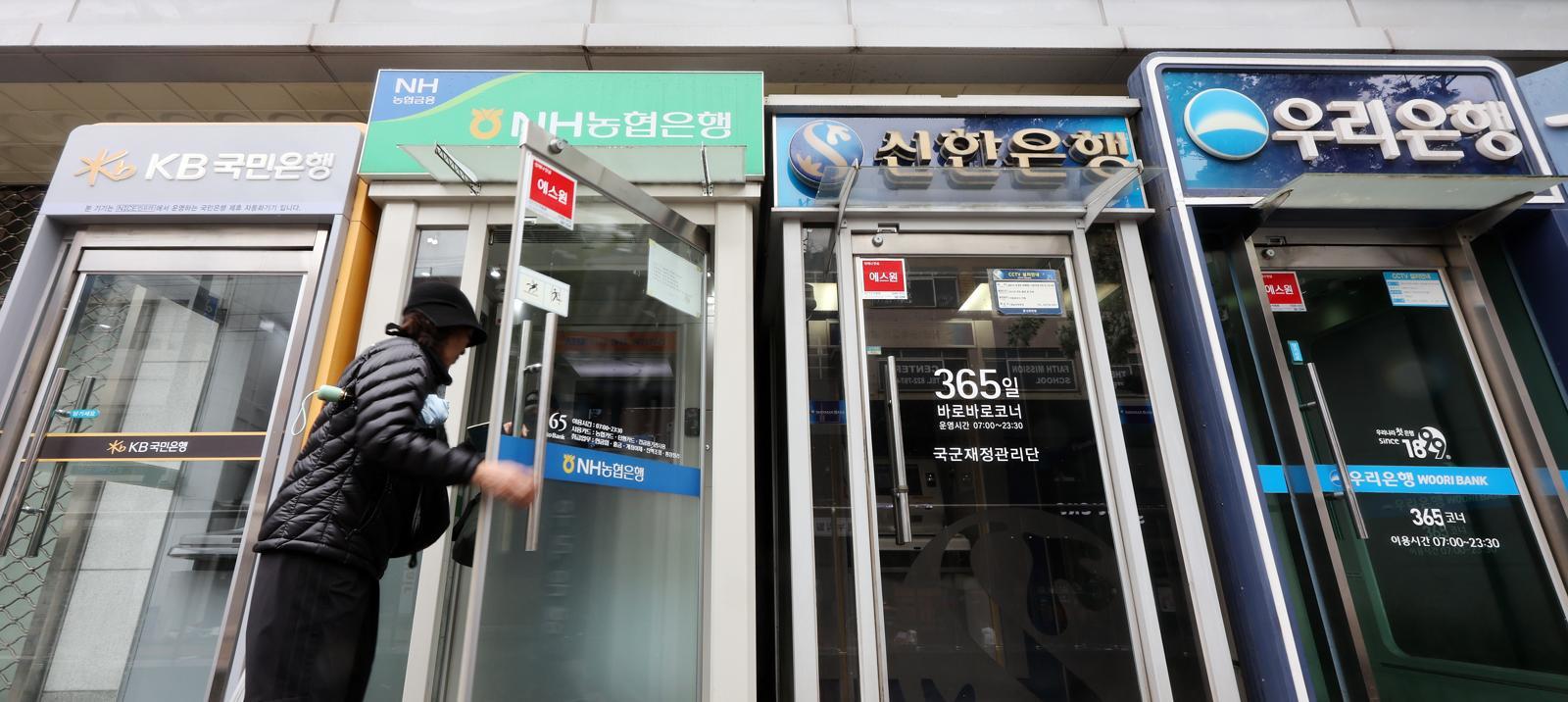
Unsecured Loans Surge 1.6 Trillion Won in Ten Days Amid 'Debt-to-Invest' Frenzy; Rates Top 6%
Translated from Korean, summarized and contextualized by DistantNews.
At a glance
News
Sources not specified
Context piece
- Major South Korean banks saw their unsecured loan balances surge by over 1.6 trillion won in the first ten days of May, driven by increased demand for "debt-to-invest" strategies.
- The interest rate for prime unsecured loans has surpassed 6%, with some mortgage rates exceeding 7%, increasing borrower burdens.
- Banks are implementing self-regulatory measures, including adjusting loan limits and restricting online sales channels, to manage the rapid growth in lending.
South Korean banks are experiencing a significant surge in unsecured loans, with balances increasing by more than 1.6 trillion won in just ten days this May. This boom is largely fueled by the "debt-to-invest" (bitu) trend, where individuals borrow money to invest, particularly in the stock market. The demand has been so strong that the interest rates for prime unsecured loans have now surpassed 6%, and some mortgage rates are even exceeding 7%, placing a heavier burden on borrowers.
The rapid increase in lending, especially through revolving credit lines (minus-tongjang), has prompted major banks to take action. The outstanding balance for revolving credit lines across the five major banks (KB Kookmin, Shinhan, Hana, Woori, and NH Nonghyup) reached nearly 42.8 trillion won as of May 11th, an increase of 1.28 trillion won from the end of April. This indicates that borrowers are not only using these lines for convenience but are also channeling the funds into the stock market rather than repaying the loans.
In response to the escalating loan balances and rising interest rates, banks are beginning to implement self-regulatory measures. These include reducing loan limits for new unsecured loans and revolving credit lines, and restricting online sales channels. For instance, KB Kookmin Bank will limit the maximum unsecured loan to 100 million won and revolving credit lines to 50 million won starting May 16th. Shinhan Bank is also adjusting its policies for revolving credit lines, particularly for accounts with low usage rates.
These measures aim to curb the rapid growth in unsecured lending and manage the associated risks. The trend comes amid expectations of further base rate hikes by the Bank of Korea in July and August, which would likely lead to even higher borrowing costs for consumers. The banks' proactive steps signal a concern about potential financial instability if the "debt-to-invest" frenzy continues unchecked.
DistantNews Editorial
Originally published by Dong-A Ilbo in Korean. Translated, summarized, and contextualized by our editorial team with added local perspective. Read our editorial standards.
More Stories


From Our Blog

What Gets Lost (and Found) When News Is Translated

The Critical Role of Diaspora Media in Global News

What Travellers Should Know About Countries with Restricted Press

A Digital Nomad's Guide to Following Local News

How the Same Story Looks Different in Different Countries
