

Untreated sewage creates sanitation crisis in Dominican Republic housing project
Translated from Spanish, summarized and contextualized by DistantNews.
At a glance
News
Sources not specified
Context piece
- Residents of Ciudad Real II, a private housing project in the Dominican Republic, face a severe sanitation crisis due to untreated sewage flowing into nearby waterways.
- The situation is exacerbated by the inoperability of most of the 19 wastewater treatment plants managed by the Santo Domingo Aqueduct and Sewerage Corporation (Caasd), with only seven currently functioning.
- This widespread failure of sanitation infrastructure leads to foul odors, pollution, and residents resorting to selling their homes to escape the unsanitary conditions.
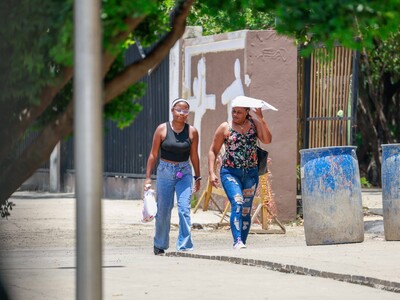
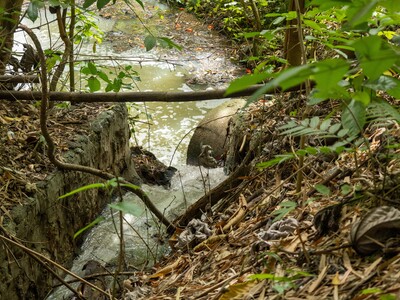
A growing sanitation crisis is plaguing residents of Ciudad Real II, a private residential complex housing approximately 20,000 people. Untreated sewage and human excrement flow through open channels near their homes, creating unbearable odors and unsanitary conditions. The problem stems from the lack of an adequate sanitary drainage system, causing waste to be discharged into nearby waterways that eventually lead to the Isabela River.
This dire situation is not isolated to Ciudad Real II. Similar issues are reported in other residential areas across the Greater Santo Domingo, including Carmen María I and II, Altos de Colombia, Carmen Renata, and Prados de San Luis. The common thread is the failure of the region's wastewater treatment infrastructure.
According to data from the Santo Domingo Aqueduct and Sewerage Corporation (Caasd), the entity manages 19 wastewater treatment plants. However, a recent investigation revealed that only seven of these plants are operational, with some functioning only partially. The remaining 12 plants are completely out of service. This widespread inoperability means that the vast majority of wastewater generated by the approximately 3.7 million inhabitants of the Greater Santo Domingo is not being treated, leading to severe environmental and public health consequences.
DistantNews Editorial
Originally published by Diario Libre in Spanish. Translated, summarized, and contextualized by our editorial team with added local perspective. Read our editorial standards.
More Stories

From Our Blog

What Gets Lost (and Found) When News Is Translated

The Critical Role of Diaspora Media in Global News

What Travellers Should Know About Countries with Restricted Press

A Digital Nomad's Guide to Following Local News

How the Same Story Looks Different in Different Countries
