


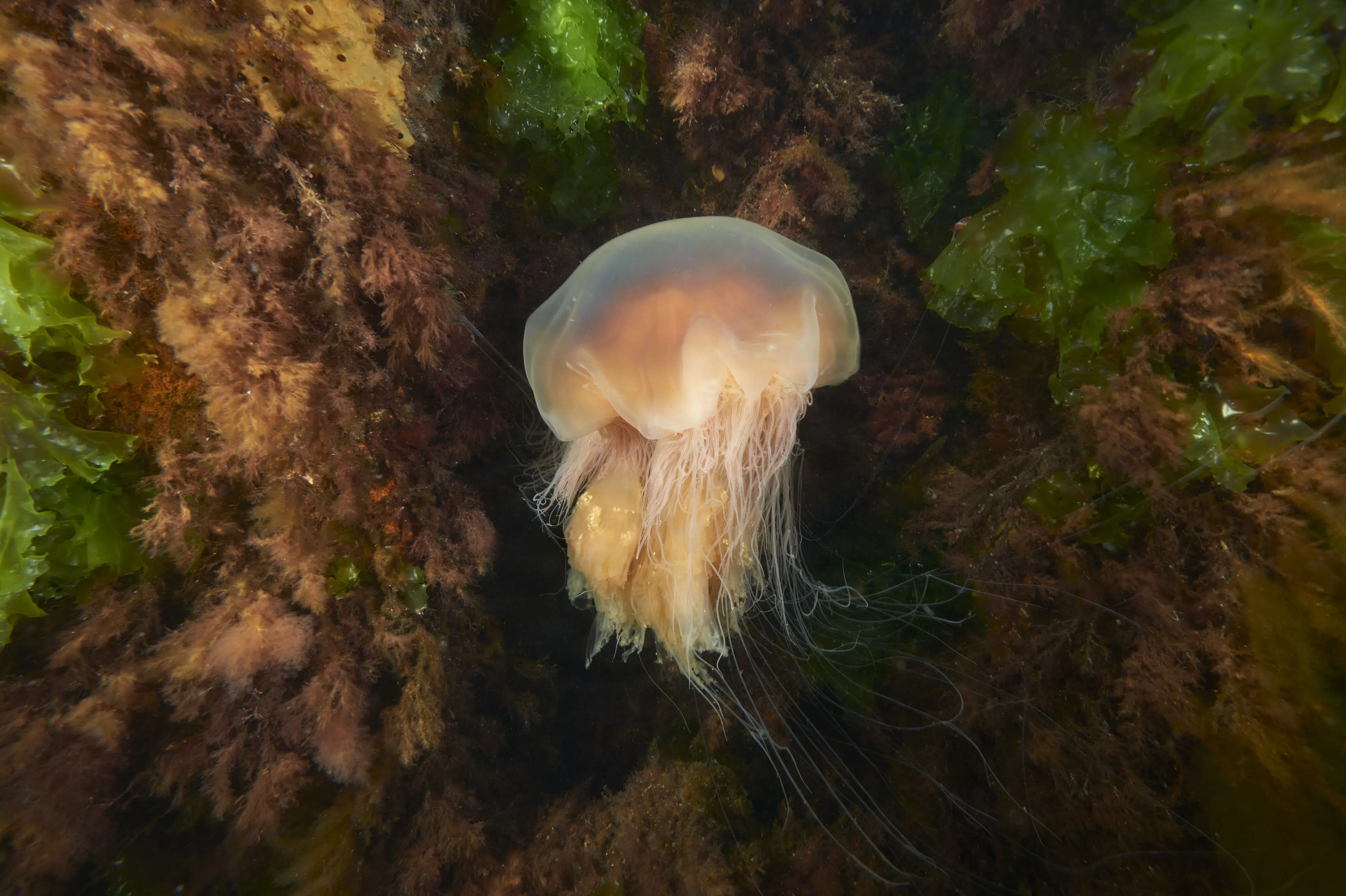
Unusually Many Jellyfish Cause Busy Times for Danish Lifeguards
Translated from Danish, summarized and contextualized by DistantNews.
At a glance
News
Sources not specified
Context piece
- Danish lifeguards are responding to an unusually high number of jellyfish stings this summer.
- The increase is attributed to warmer waters and rapid jellyfish reproduction, leading to more frequent encounters with beachgoers.
- While painful, most jellyfish stings are harmless unless individuals have severe allergies or respiratory issues.
Danish beaches are experiencing an unusually high number of encounters with jellyfish, commonly known as "brandmænd" (firemen) in Danish, leading to a significant increase in the workload for lifeguards during the summer holidays. TrygFonden's coastal lifeguards report a growing number of swimmers requiring assistance after being stung by these marine creatures.
Anders Myrhøj, coastal rescue chief at TrygFonden Kystlivredning, stated that lifeguards have treated substantially more beachgoers than usual for jellyfish stings. He noted that while these stings can be painful and bothersome, they are generally harmless for most people, barring severe allergies or pre-existing respiratory conditions.
Our lifeguards on the beaches have treated significantly more bathers than normal who have been hit by a jellyfish. It can be very painful and very bothersome.
In the week of July 8-14 (week 28), TrygFonden administered 615 first-aid treatments, a portion of which involved managing jellyfish stings. The problem has been particularly pronounced on beaches along east-facing coasts, including areas like Grenaa, Kerteminde, Saksild, Ishøj, Brøndby, and Marielyst. In some of these locations, lifeguards estimate that up to nine out of ten first-aid incidents were related to jellyfish stings.
The unusually warm summer weather is considered a primary factor for the increased jellyfish presence. Warmer waters facilitate faster reproduction, causing the jellyfish to appear earlier in the season than typically observed in August and September. This phenomenon has led to an earlier onset of the stinging season this year.
But fortunately, it is harmless for the vast majority, so unless you are very allergic or already have respiratory challenges, you should not fear being stung.
DistantNews Editorial
Originally published by Berlingske in Danish. Translated, summarized, and contextualized by our editorial team with added local perspective. Read our editorial standards.
More Stories


From Our Blog

What Gets Lost (and Found) When News Is Translated

The Critical Role of Diaspora Media in Global News

What Travellers Should Know About Countries with Restricted Press

A Digital Nomad's Guide to Following Local News

How the Same Story Looks Different in Different Countries
