


Urgent reforms needed to bridge education, skills training gap – stakeholders urge
Summarized and contextualized by DistantNews.
At a glance
News
Sources not specified
Context piece
- Stakeholders in Ghana are calling for urgent reforms to bridge the gap between education, skills training, and employment.
- The call comes as the country develops a long-term strategy to strengthen its human capital.
- Challenges include skills mismatches and difficulties for young people transitioning from school to work.
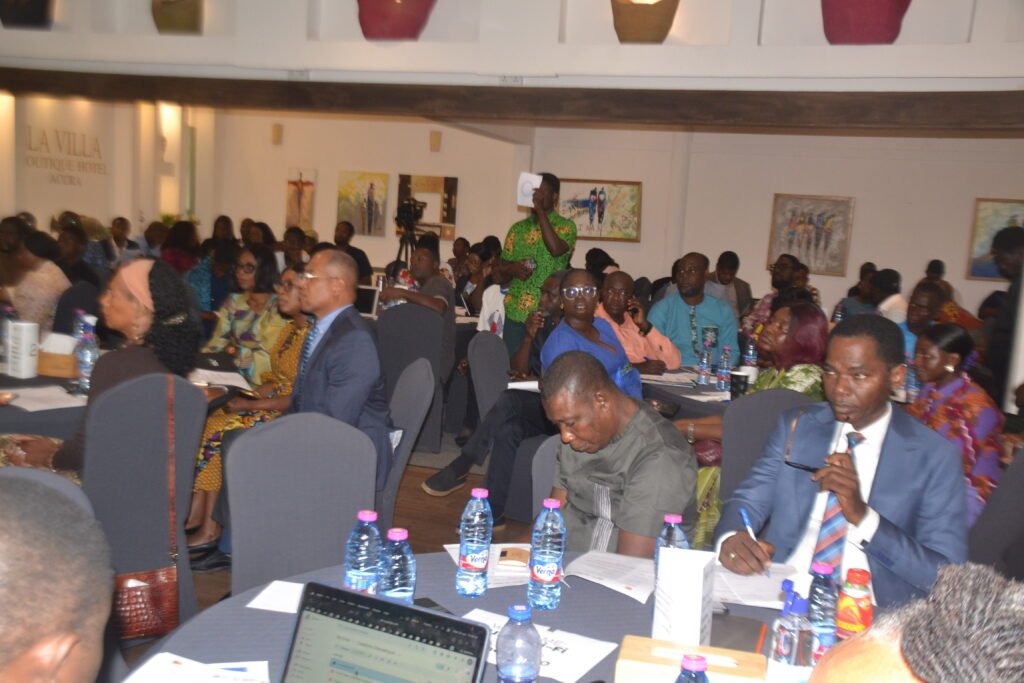
Ghanaian stakeholders are urging immediate reforms to align education and skills training with employment needs, a critical step as the nation crafts a long-term strategy for human capital development. Representatives from government, industry, academia, and training institutions met in Accra to review and validate the Skills and Jobs pillar of the draft Ghana Human Capital Development Strategy (2025–2057).
We are not interested in whether the buildings are illegal. We are obligated, as long as they exist on the ground, to register them in the cadastral map.
Ms Alice Amekudzi, Director of the Development Policy Division at the National Development Planning Commission (NDPC), emphasized that Ghana's development goals depend on deliberate investment in human capital. While acknowledging progress in educational access, she noted that many young people struggle to find employment due to a mismatch between their skills and market demands.
The draft strategy aims to provide a framework for investments and reforms across key areas, including education, health, employment, innovation, and governance. The ongoing consultations are designed to refine this strategy and identify essential conditions for its successful implementation, such as sustainable financing and effective coordination.
AI was transforming how organisations operate and manage human resources, making it essential for Ghana to build a workforce capable of competing in the digital economy.
Madam Constance Swaniker, Founder and President of the Design and Technology Institute (DTI), highlighted the importance of preparing Ghana's workforce for the digital economy, especially with the transformative impact of artificial intelligence on organizations. Dr. Marcia Conston, President of Tidewater Community College in the U.S., affirmed that aligning education with labor market needs is a global challenge, stressing the role of institutions like community colleges in connecting learning with employment and economic mobility.
Countries around the world were grappling with similar questions about how to align education with labour market needs.
DistantNews Editorial
Originally published by Ghanaian Times. Summarized and contextualized by our editorial team with added local perspective. Read our editorial standards.
More Stories


From Our Blog

What Gets Lost (and Found) When News Is Translated

The Critical Role of Diaspora Media in Global News

What Travellers Should Know About Countries with Restricted Press

A Digital Nomad's Guide to Following Local News

How the Same Story Looks Different in Different Countries
