


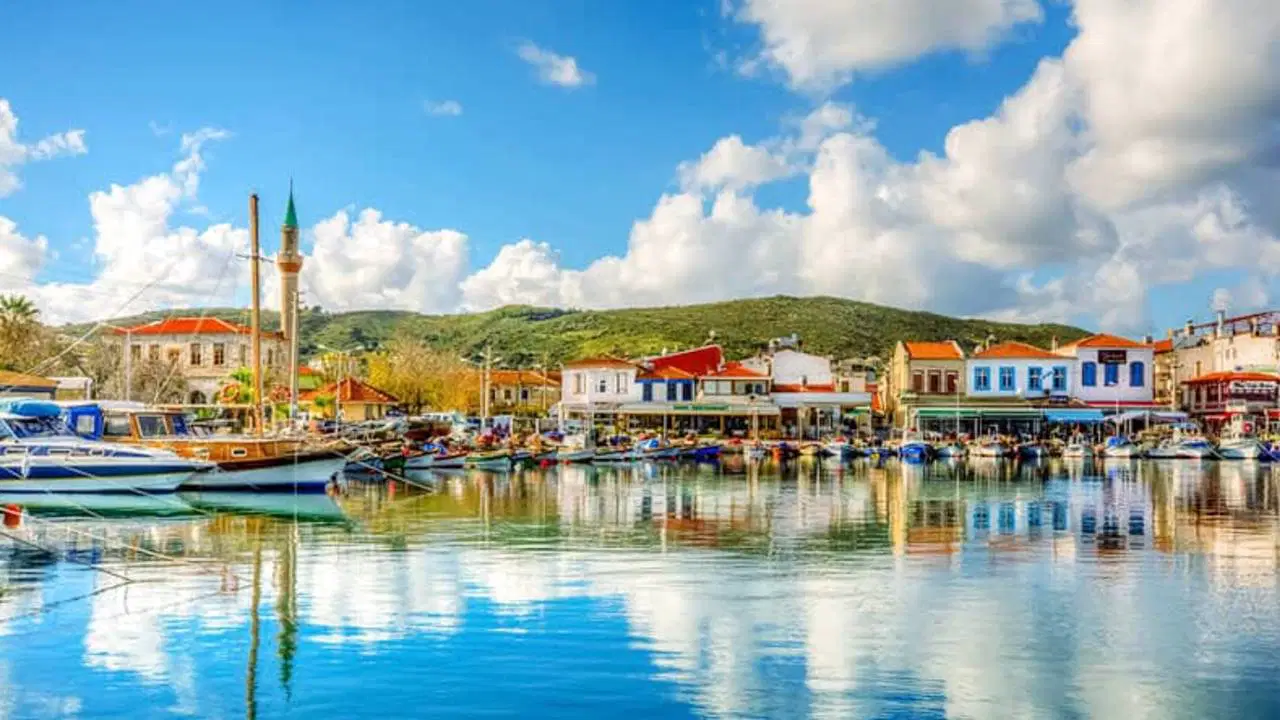
Urla: From quarantine island to Michelin-chef destination, Turkey's timeless Aegean soul
Translated from Turkish, summarized and contextualized by DistantNews.
At a glance
In-depth
Sources not specified
Context piece
- Urla, Turkey, is emerging as a hub for slow living, blending ancient history with modern gastronomy and sustainable culture.
- The region boasts one of the world's oldest olive oil production sites, dating back to the ancient Ionian city of Klazomenai.
- Karantina Island, a former Ottoman-era quarantine station, adds a unique historical layer, while local initiatives promote art and traditional village life.
Urla, a coastal district in Turkey's Aegean region, is increasingly recognized not just as a destination for wine routes and fine dining, but as a center for slow living, deeply rooted in thousands of years of history and a vibrant sustainable culture.
The area's rich heritage is exemplified by Klazomenai, an ancient Ionian city that hosted one of the world's oldest known olive oil production facilities. This ancient tradition of olive cultivation and trade continues today, celebrated through events like the Urla Olive and Art Festival. Beyond its agricultural legacy, Urla was also a philosophical hub, associated with thinkers like Anaxagoras, reflecting a historical emphasis on understanding the universe and nature.
This historical philosophy of production and art endures in modern Urla, visible in its Art Street with ceramic studios, design shops, and galleries. The surrounding villages, such as Bademler, known for Turkey's first village theater, and Birgi, which upholds olive cultivation traditions, further contribute to preserving the Mediterranean's shared agricultural heritage.
Adding a unique historical dimension is Karantina Island, established in the mid-18th century as a quarantine station by the Ottoman Empire to prevent the spread of diseases like plague and cholera via sea trade. The island featured advanced medical logistics for its time, including steam sterilization of goods and segregated bathing facilities for travelers. Though no longer in active use since 1950, it remains a significant historical site, accessible through group tours.
In recent years, particularly with the rise of remote work, Urla has attracted a significant influx of residents from larger cities. Despite this growth, the district maintains its tranquil character, prioritizing balance over speed in its way of life. This commitment to a slower pace, combined with its rich history and burgeoning culinary scene, positions Urla as a unique destination where ancient traditions meet contemporary lifestyle.
DistantNews Editorial
Originally published by Cumhuriyet in Turkish. Translated, summarized, and contextualized by our editorial team with added local perspective. Read our editorial standards.
More Stories


From Our Blog

What Gets Lost (and Found) When News Is Translated

The Critical Role of Diaspora Media in Global News

What Travellers Should Know About Countries with Restricted Press

A Digital Nomad's Guide to Following Local News

How the Same Story Looks Different in Different Countries
