


US AI leaders turn to Chinese open-weight models, challenging closed-source safety claims
Summarized and contextualized by DistantNews.
At a glance
News
Named sources
Context piece
- Leading U.S. AI figures are increasingly favoring Chinese open-weight models over closed-source alternatives for safety and security.
- This stance challenges the U.S. industry's long-held assertion that open-source models pose societal risks.
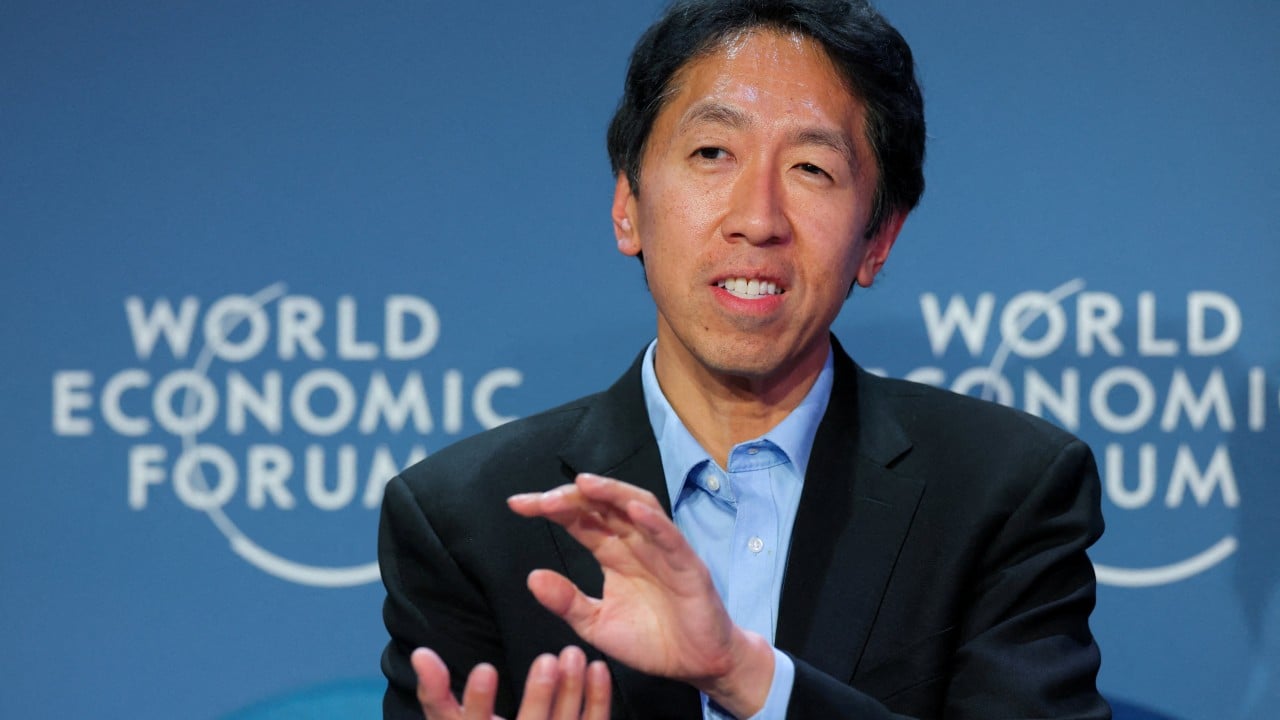
- AI pioneer Andrew Ng stated that open-weight models appear safer than their closed-weight counterparts.
Prominent figures in the U.S. artificial intelligence sector are beginning to champion Chinese open-weight models, asserting they offer superior safety and security compared to closed-source systems. This emerging perspective directly contradicts the prevailing narrative pushed by U.S. developers of closed-source AI, who have consistently warned of societal dangers posed by open-source alternatives. AI pioneer Andrew Ng, formerly of Google Brain and Baidu, expressed his view that open-weight models seem safer. His statement at a recent event challenges the established industry dogma and suggests a potential shift in how AI safety is perceived and pursued. This development could have significant implications for the global AI landscape, potentially influencing research, development, and regulatory approaches. The debate centers on the accessibility and transparency of AI models. Proponents of open-weight models argue that their public nature allows for wider scrutiny, faster identification of flaws, and community-driven solutions. Conversely, closed-source advocates emphasize the control and proprietary safeguards they implement, arguing this is essential to prevent misuse. The growing endorsement of Chinese models by U.S. leaders signals a complex and evolving discussion about the future of AI development and its inherent risks.
From what I’m seeing, I think open-weight models seem safer to me than closed-weight models.
DistantNews Editorial
Originally published by South China Morning Post. Summarized and contextualized by our editorial team with added local perspective. Read our editorial standards.
More Stories



From Our Blog

Countries Without a Free Press: What You Need to Know

What Press Freedom Means for the News You Read

What Gets Lost (and Found) When News Is Translated

The Critical Role of Diaspora Media in Global News

What Travellers Should Know About Countries with Restricted Press
